
When Should You Use a Plast purge? A Practical Guide for Cleaner Plastic Processing
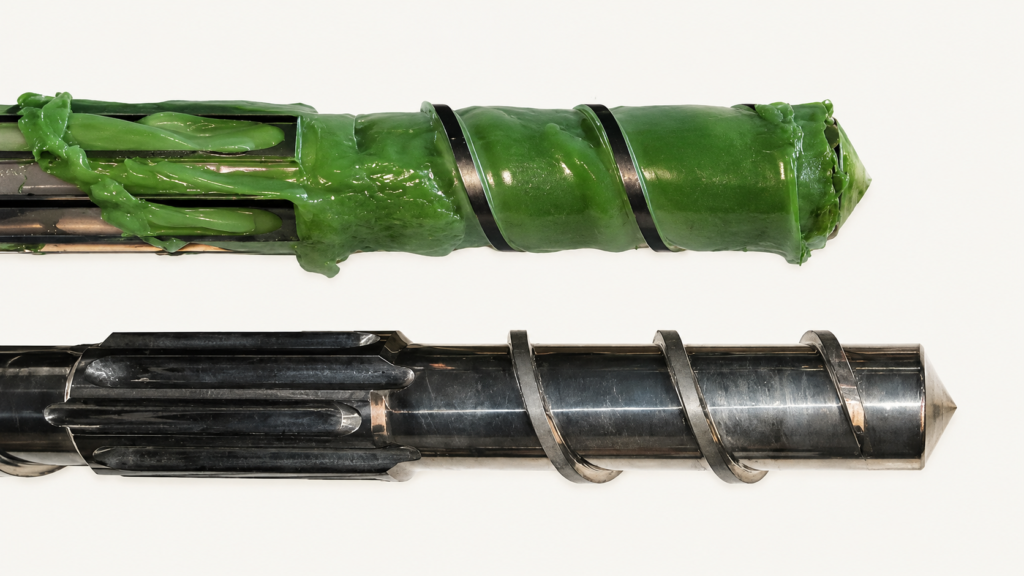
In plastic processing, machine cleanliness has a direct influence on production consistency. Residual pigments, degraded polymer and previous material can remain inside the screw, barrel, nozzle, die or other flow areas even after a production run appears complete.
These residues may later enter the melt stream and contribute to unwanted colour variation, black specks, streaks or contamination in finished products.
For processors operating frequent colour changes, multiple polymer grades or continuous production schedules, relying only on normal production resin for machine cleaning may not always provide the desired result.
This is where a Plast Purge Compound can become an important part of a controlled machine-cleaning strategy. Commercial purging compounds are specifically designed for cleaning plastic-processing equipment and can be used for colour changes, material transitions, start-ups, shutdowns and contamination control.
Why Does Residual Material Remain Inside Processing Equipment?
A polymer-processing machine contains several areas where molten material must travel before reaching the final product.
Depending on the equipment, these may include:
- Screw and barrel surfaces
- Nozzles
- Dies
- Hot runner systems
- Manifolds
- Flow channels
- Other low-flow or difficult-to-clean areas
During processing, small quantities of polymer, pigment or additives can remain in these areas. Continued exposure to processing temperatures may cause some of this material to degrade or become more difficult to remove.
When production changes to another colour or polymer, the remaining material may gradually mix with the next production batch.
The result can be a machine that appears ready for production but continues producing contaminated material during the initial stages of the new run.
5 Situations Where a Plast Purge Can Be Useful
Instead of viewing purging only as an emergency cleaning method, processors can use it at specific stages of production.
1. During Major Colour Changes
Changing from one colour to another is one of the most common reasons for machine purging.
Transitions such as:
Black → White
Dark Blue → Natural
Red → Yellow
Highly Pigmented → Light Colour
can be particularly challenging because even a small amount of the previous pigment may influence the new shade.
A suitable Plast Purge Compound helps remove residual colour from internal machine surfaces before the next masterbatch is introduced.
This supports cleaner colour transitions and helps operators reach the required shade more consistently. Colour contamination from previous material layers is a recognised processing challenge during colour changeovers.
2. When Changing Polymer or Material Grade
Purging is not limited to colour.
Processors may also switch between different polymer grades, formulations or additive packages on the same production equipment.
Residual material from the previous formulation can potentially interfere with the next production run.
Using a compatible purging compound between material transitions can help clean the previous resin from the machine and prepare the processing system for the next formulation.
Compatibility with the polymer, processing conditions and viscosity should be considered when selecting a purge solution.
3. When Black Specks or Contamination Begin Appearing
Black specks can indicate that degraded or carbonised polymer is being released from areas inside the processing equipment.
Simply increasing the amount of production resin being flushed through the machine may not always remove stubborn deposits.
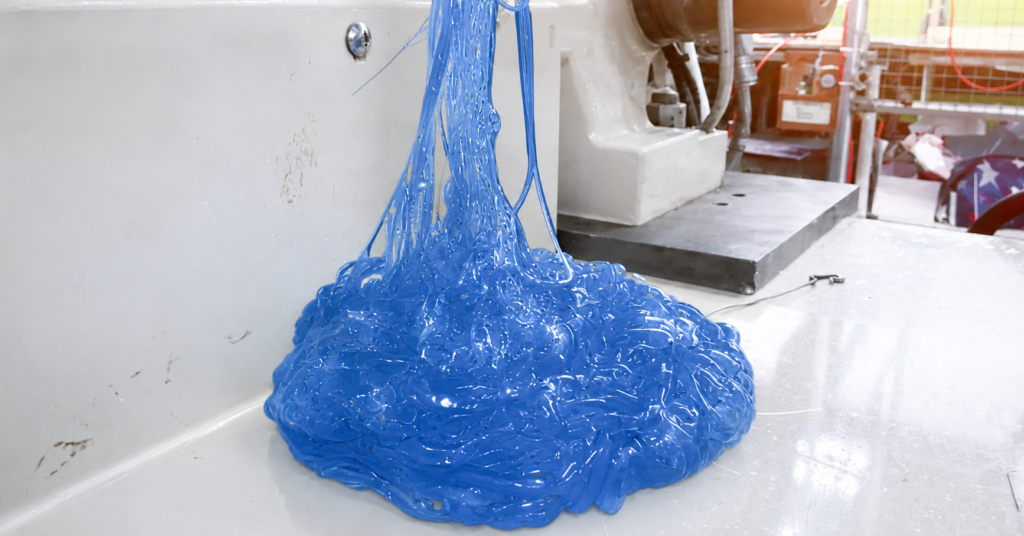
A suitable purging compound is designed to interact with residual material and help carry contamination out through the normal material-flow path.
Purging compounds are widely used to address residues, pigments, degraded material and contamination that can contribute to defects such as black specks, streaking and discolouration.
4. Before Planned Machine Shutdown
Material remaining inside a heated barrel for an extended shutdown may undergo thermal degradation.
A planned purging procedure before shutdown can help remove residual production resin and leave the system in a more controlled condition for the next start-up.
This approach can be particularly useful for processors operating equipment that regularly stops for maintenance, weekends, product changes or scheduled production breaks.
Commercial purge products are also specifically available for shutdown and sealing applications as well as subsequent machine start-up.
5. During Preventive Machine Cleaning
Purging does not always need to wait until a quality problem occurs.
Processors can incorporate purging into a preventive cleaning schedule based on:
- Production hours
- Frequency of colour changes
- Polymer type
- Processing temperature
- Level of pigment loading
- History of contamination
- Machine design
- Finished-product quality requirements
A planned cleaning approach can help operators identify and control contamination before it begins affecting regular production.
Plast Purge Compound vs. Virgin Resin Flushing
One traditional method of cleaning a processing machine is to continuously run virgin or natural resin until the outgoing material appears clean.
While this approach can work for simple transitions, production resin is primarily designed to manufacture plastic products—not specifically to clean internal machine surfaces.
A dedicated purging compound is formulated for the cleaning operation itself.
Depending on its formulation, it may help loosen, displace or carry away material that has remained inside the equipment.
This means the correct comparison should not simply be:
“What is the price per kilogram of purge compound?”
A more useful production question is:
“What is the complete cost of getting the machine clean and ready for acceptable production?”
That calculation can include:
- Cleaning material consumed
- Machine time
- Operator time
- Rejected products
- Start-up scrap
- Production interruptions
- Repeated flushing cycles
Specialised purging compounds are specifically developed as alternatives to cleaning a machine only with normal production resin.
Where Can Plast Purge Compound Be Used?
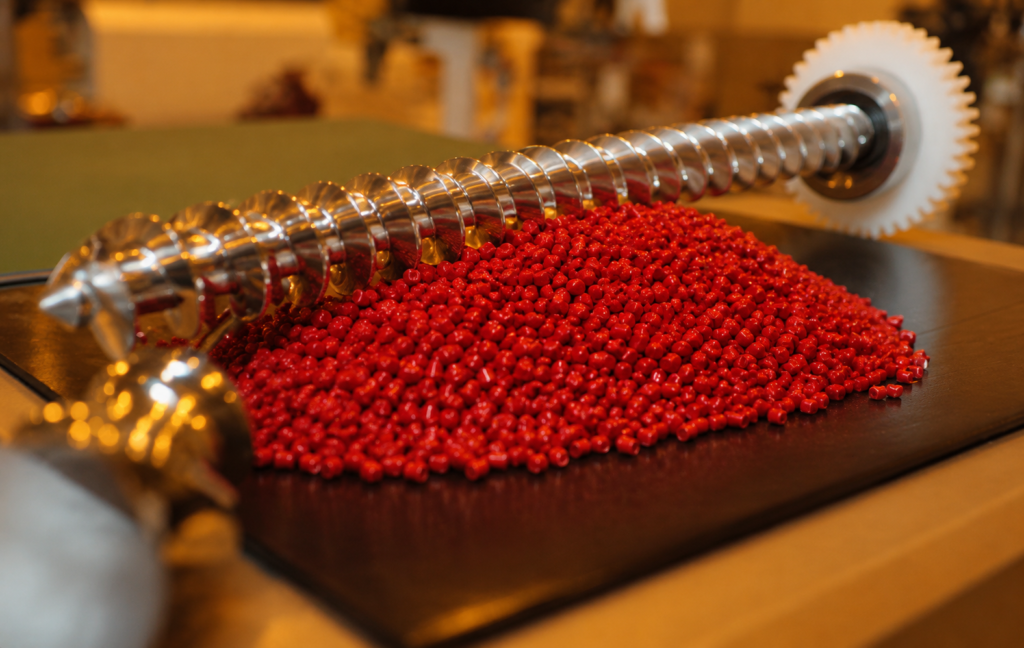
Depending on the selected grade and processing requirements, purge compounds can be used across several thermoplastic-processing technologies.
Injection Moulding
Purging can help clean areas such as:
- Barrel
- Screw
- Nozzle
- Sprue
- Hot runner system
This can be particularly useful in operations producing multiple colours or product grades on the same machine.
Extrusion
Extrusion lines may experience material accumulation around screw surfaces, barrel areas and dies.
A suitable purging procedure can help during colour changes, polymer changes and planned cleaning cycles.
Blow Moulding
Containers, bottles and other blow-moulded products often require consistent surface appearance and colour.
Residual pigment or degraded polymer can become highly visible in the finished product, making controlled cleaning important when changing production.
Commercial purging compounds are available for injection moulding, extrusion and blow-moulding applications, although the appropriate grade and procedure depend on the specific equipment and material system.
How to Build a Better Purging Procedure
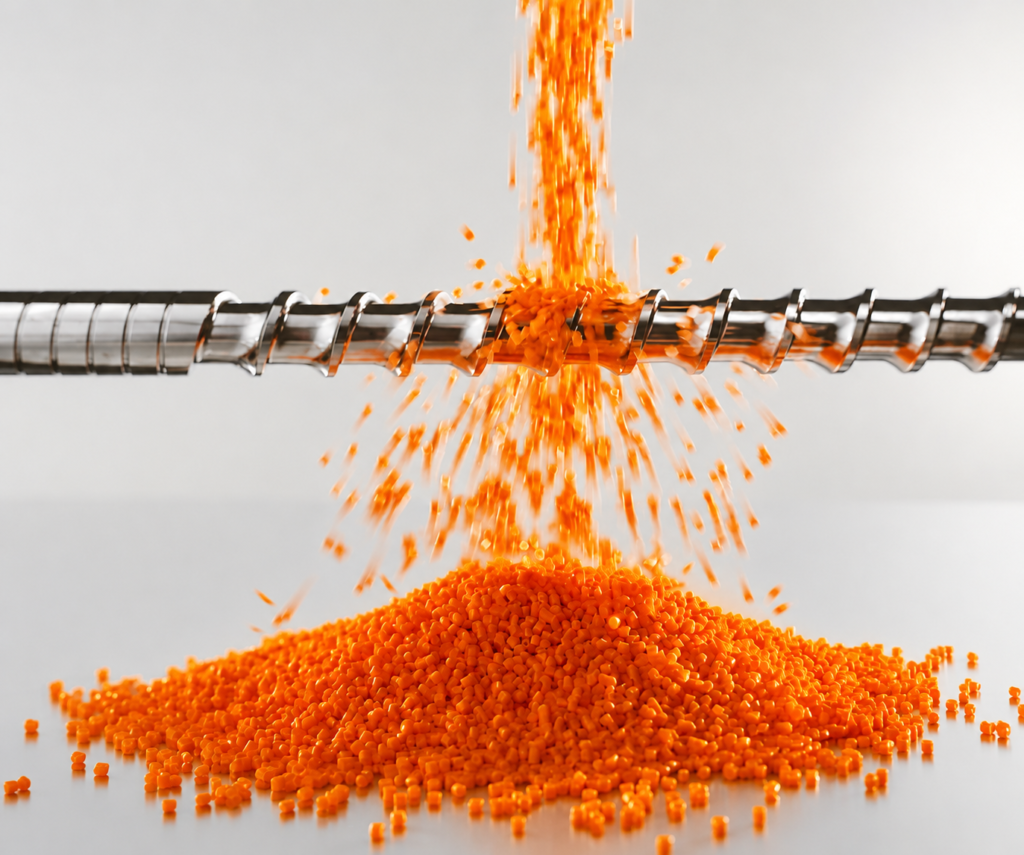
Simply introducing a purging compound into the hopper does not automatically guarantee the best cleaning result.
The procedure should be standardised for the individual machine.
Important parameters can include:
Polymer Being Processed
The purge compound should be suitable for the resin system being cleaned.
Processing Temperature
The operating temperature of the purge compound should be compatible with the machine’s processing window.
Previous and Next Colour
A dark-to-light transition may require a different cleaning approach compared with a light-to-dark transition.
Machine Configuration
A simple extrusion line and a complex hot-runner injection moulding system have very different internal flow paths.
Purging Quantity
Processors should record the amount of purge material required to obtain clean output rather than relying only on operator judgement.
Operating Procedure
Parameters such as temperature, screw operation and machine-specific settings should follow the recommendations appropriate to the selected purge grade and equipment.
The objective should be to establish a repeatable cleaning procedure rather than allowing each operator to use a different method.
What Should Operators Record?
Creating a small purging record can make machine cleaning much more systematic.
For every major changeover, record:
Previous Material → New Material
Previous Colour → New Colour
Machine Number
Processing Temperature
Purging Compound Used
Quantity Used
Cleaning Result
Observed Contamination
Time Until Acceptable Production
Over time, this information can help production teams identify which colour or polymer combinations require greater attention.
It also provides operators with a standard reference for future changeovers instead of starting every cleaning cycle from zero.
Choosing the Right Purging Compound
There is no single purge grade that is automatically ideal for every polymer and processing machine.
Before selecting a product, consider:
- Base polymer
- Processing temperature
- Machine type
- Screw and barrel configuration
- Hot runner requirements
- Previous colour
- New colour
- Type of contamination
- Frequency of changeovers
- Cleaning objective
Plast Purge can also operate through different cleaning mechanisms, including mechanical and chemically activated approaches, and commercial grades are formulated for different polymers, temperatures and equipment types.
Therefore, grade selection should be based on the actual processing application, not simply on the name “purging compound.”
From Reactive Cleaning to Preventive Process Control
Many processors begin thinking about machine cleaning only after they see:
- Black specks
- Colour streaks
- Shade contamination
- Extended start-up
- Repeated rejected parts
A more organised approach is to consider machine purging as part of production process control.
When cleaning procedures are planned around colour changes, polymer transitions, shutdowns and contamination history, operators gain better control over the condition of the processing line.
The objective is not simply to clean the machine.
It is to create a more predictable transition from:
Last Production Run → Clean Processing System → Next Production Run
That predictability can support better production consistency and easier process management.
Bajaj Plast Purge Compound for Plastic Processing
Many processors begin thinking about machine cleaning only after they see:
Bajaj Masterbatch Plast Purge Compound is designed to support cleaning during plastic-processing operations where residual polymer, colour contamination and material deposits can interfere with subsequent production.
It can be considered for applications involving colour changeovers, material transitions and routine equipment-cleaning requirements, subject to the recommended grade and processing conditions.
For the best results, the purge compound should be selected according to the polymer, machine type, processing temperature, colour transition and cleaning requirement.
Cleaner Machine. Cleaner Changeover. Better Process Control.
Instead of treating machine purging as only a corrective step after contamination appears, manufacturers can incorporate it into their regular processing strategy.
A well-planned purging procedure can help create cleaner transitions between production runs and provide operators with a more controlled starting point for the next batch.
Need help selecting a Plast Purge Compound for your injection moulding, extrusion or blow moulding process?
Contact Bajaj Masterbatch with your polymer type, machine application, processing temperature and colour-change requirements to identify a suitable solution.
About Bajaj Plast Pvt. Ltd.
Bajaj Plast Pvt. Ltd. is a leading manufacturer of high-quality masterbatch solutions, dedicated to innovation, sustainability, and excellence. With a strong focus on customer satisfaction and cutting-edge technology, we are committed to delivering superior products that meet the evolving needs of the polymer industry.
