
PE Base Filler
A precision-engineered CaCO₃ filler masterbatch built on a virgin polyethylene carrier — formulated for consistent output, tighter cost control, and dependable processing across every PE conversion line.
What is PE Base Filler?
A functional masterbatch, not a diluent — engineered to be part of the polymer matrix, not just added to it.
Bajaj Plast PE Base Filler is a mineral-reinforced masterbatch built around ultra-fine, surface-coated Calcium Carbonate (CaCO₃) dispersed in a virgin Polyethylene carrier resin. The particle size distribution is tightly controlled and the mineral surface is chemically treated so it bonds cleanly with the PE matrix instead of sitting as an inert bulking agent.
Performance additives are dosed alongside the filler at calculated ratios, tuned specifically for the end application — injection moulding, blown film, blow moulding, or woven sack extrusion — so the same base chemistry can be adapted without re-engineering the process.
The result is a drop-in masterbatch that lets converters substitute a defined percentage of virgin PE resin without compromising melt flow, impact strength, or surface finish.

Why PE Base Filler, why Bajaj
Two questions, one engineering answer: economics that hold up over time, and a supply partner built for consistency.
Why PE Base Filler Masterbatch
Almost all commodity plastics trace back to petroleum feedstock, so resin pricing tracks the volatility of oil and gas markets directly. A mineral-based filler masterbatch decouples part of the formulation from that curve. Because CaCO₃ is a geologically abundant, non-petroleum input, its supply and pricing move at a materially slower pace than virgin polymer. Substituting a calculated percentage of resin with PE Base Filler converts a portion of every kilogram of output from a fluctuating input to a stable one — without changing the underlying process.
Why Bajaj Masterbatches
Every converter has access to the same base resins; the differentiator is formulation discipline. Bajaj engineers each filler batch to a controlled particle size distribution and dispersion quality, so the mineral loading behaves predictably run after run. Three decades of masterbatch manufacturing from Nagpur, India, under ISO 9001:2015 certification (TÜV Nord), back that consistency — giving converters a formulation edge that competing, undifferentiated resin supply cannot.
Key Features
Four measurable performance shifts built directly into the mineral-polymer interface.

Improves Stiffness
Rigid CaCO₃ particles raise the flexural modulus of the finished part, increasing structural rigidity without added wall thickness.

Improves Strength
Controlled particle dispersion reinforces the polymer matrix, supporting tensile and impact strength across load-bearing applications.

Better Printability
A more uniform, mineral-modified surface topology improves ink anchorage and print clarity on films and woven substrates.

Enhances Processability
Optimized melt rheology reduces shear stress on tooling, supporting smoother extrusion and moulding cycles at higher throughput.
Key Benefits
Every technical feature converts into a line-item improvement on the production floor.
Polymer Cost Saving
Replaces a defined percentage of virgin PE resin with mineral-reinforced masterbatch, lowering raw material spend per kilogram of finished product.
Higher Output
A 10% filler dosage can translate to roughly a 10% increase in output volume for equivalent resin consumption, improving line economics.
Reduced Machine Wear
Engineered particle coating lowers abrasiveness against screws, barrels, and dies, extending tooling service intervals.
Energy Efficiency
Improved melt flow characteristics reduce the energy load required per cycle across extrusion and moulding equipment.
Less Material Wastage
Consistent dispersion and predictable rheology reduce reject rates and scrap generated during startup and steady-state runs.
Lower Total Cost
Combined material, energy, and maintenance savings compound into a lower total delivered cost per unit of finished product.
Making of PE Base Filler
From raw mineral to a process-ready masterbatch pellet — four controlled stages.
Mineral Selection
High-purity Calcium Carbonate is sourced and ground to an ultra-fine, tightly controlled particle size distribution.
Surface Coating
Particles are surface-treated to improve compatibility and wet-out with the polyethylene carrier resin.
Compounding
Coated CaCO₃, virgin PE, and performance additives are melt-compounded at precisely calculated ratios.
Pelletizing & QC
The melt is strand-cut into uniform pellets and validated against dispersion, MFI, and loading specifications.
Coated Mineral Filler
Ultra-fine, surface-treated particles
Virgin Carrier Resin
High-purity polyethylene base
Performance Package
Application-specific dosing
The Bajaj Filler Portfolio
PE Base Filler sits within a wider CaCO₃ masterbatch family — each grade tuned for a different point in the formulation.

Plast Fill
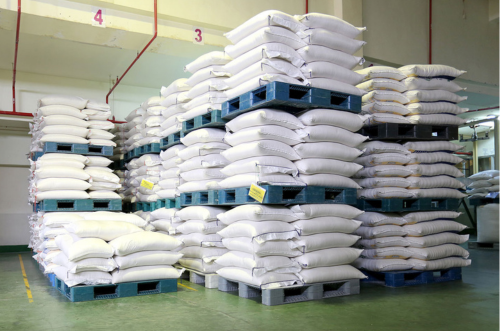
A perfect blend of ultra-fine particle size, coated CaCO₃ powder with virgin polyethylene and performance additives, proportioned to the end application.
Plast White
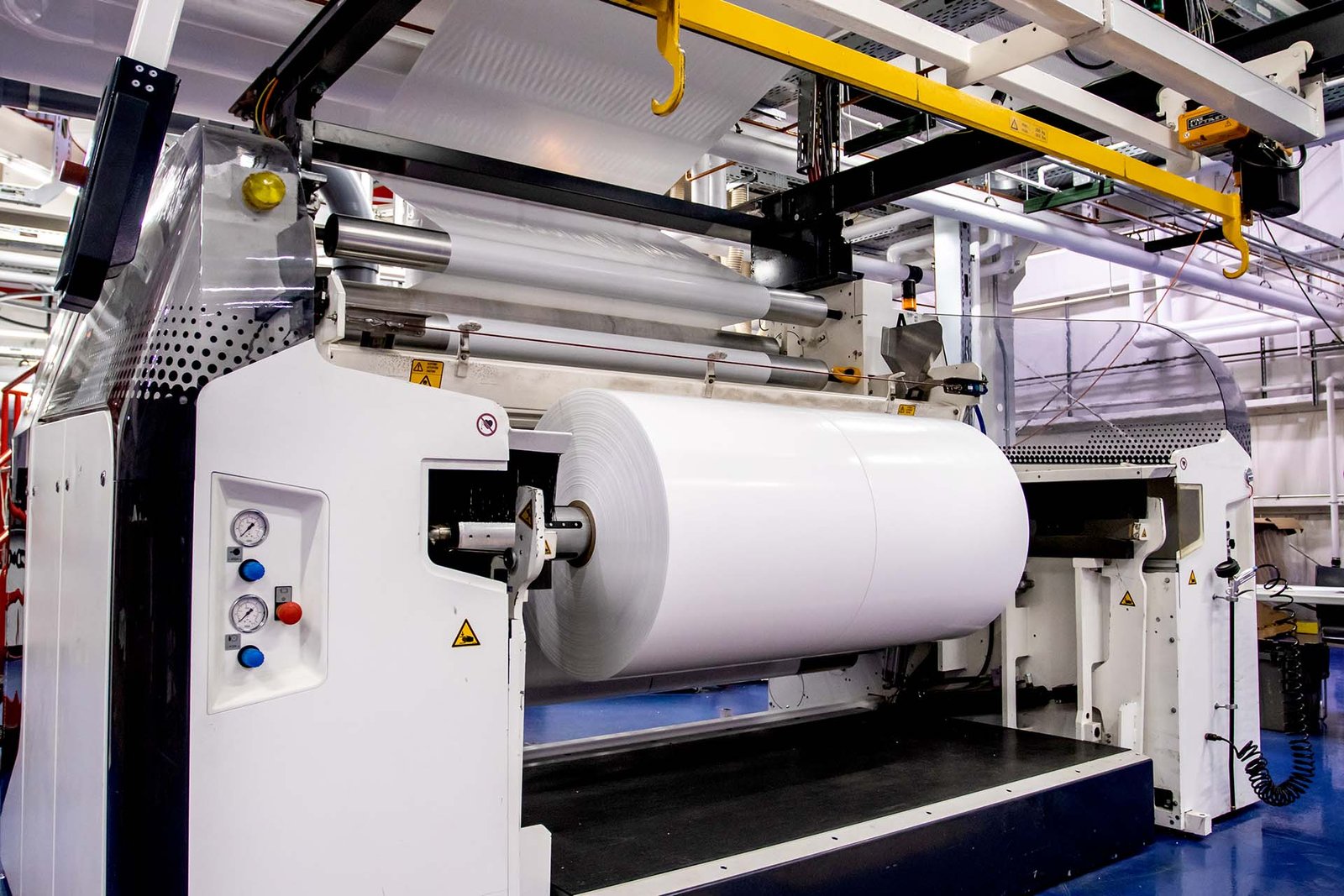
The same ultra-fine, coated CaCO₃ and virgin polyethylene base as Plast Fill, reformulated with performance additives suited to whitened and raffia-grade applications.
Plast Modifier (LL)
A performance-enhancing compound comprising mineral filler, elastomers, and additives at precisely engineered proportions, built for stringent end-use requirements.
Applications of PE Base Filler
One formulation platform, tuned across four major PE conversion processes.
Dimensionally stable moulded parts
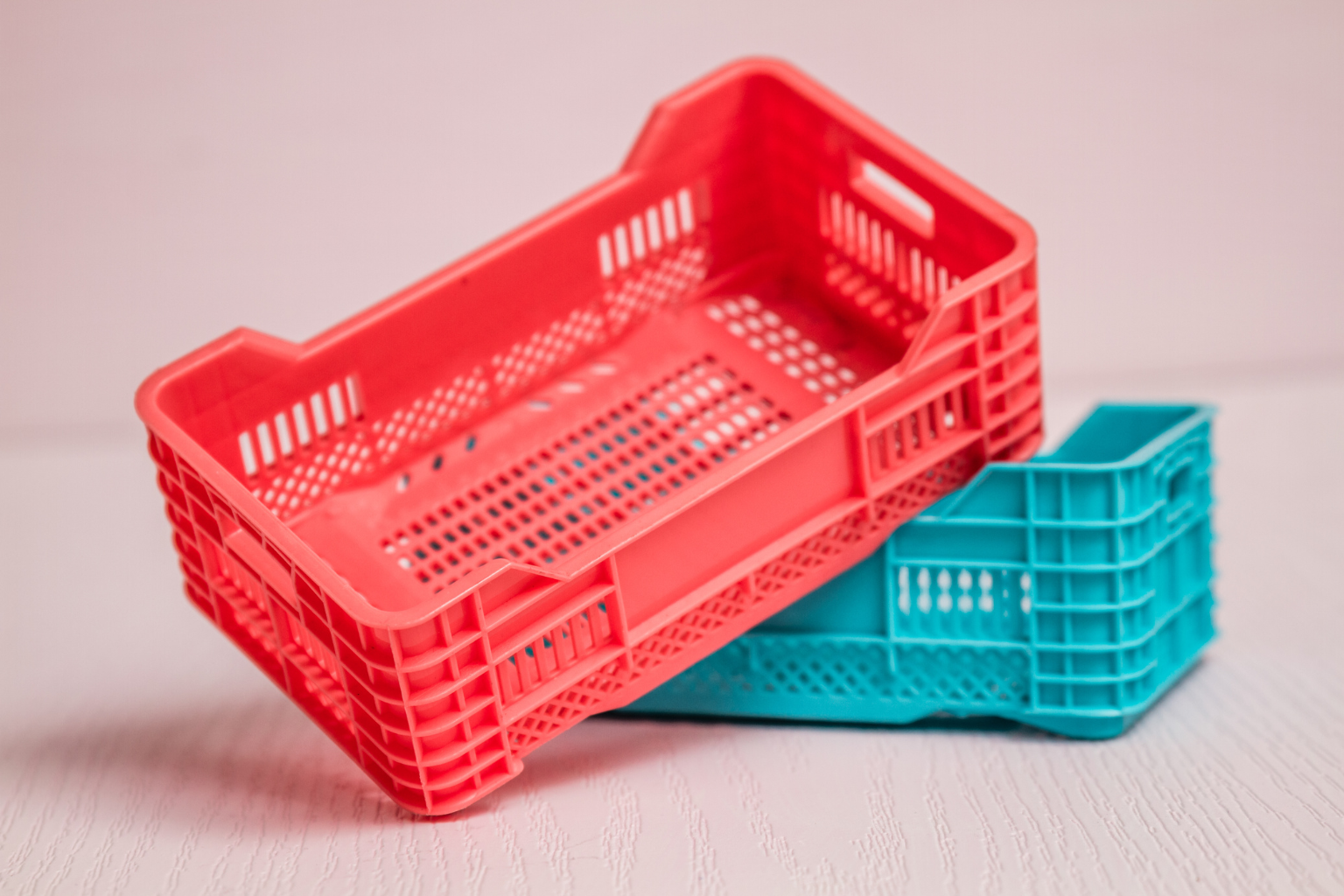
In injection moulding, PE Base Filler improves melt flow consistency and reduces shrinkage variance across cavities, supporting tighter dimensional tolerances on crates, containers, caps, and technical PE components while lowering resin consumption per shot.
Consistent wall thickness under stretch
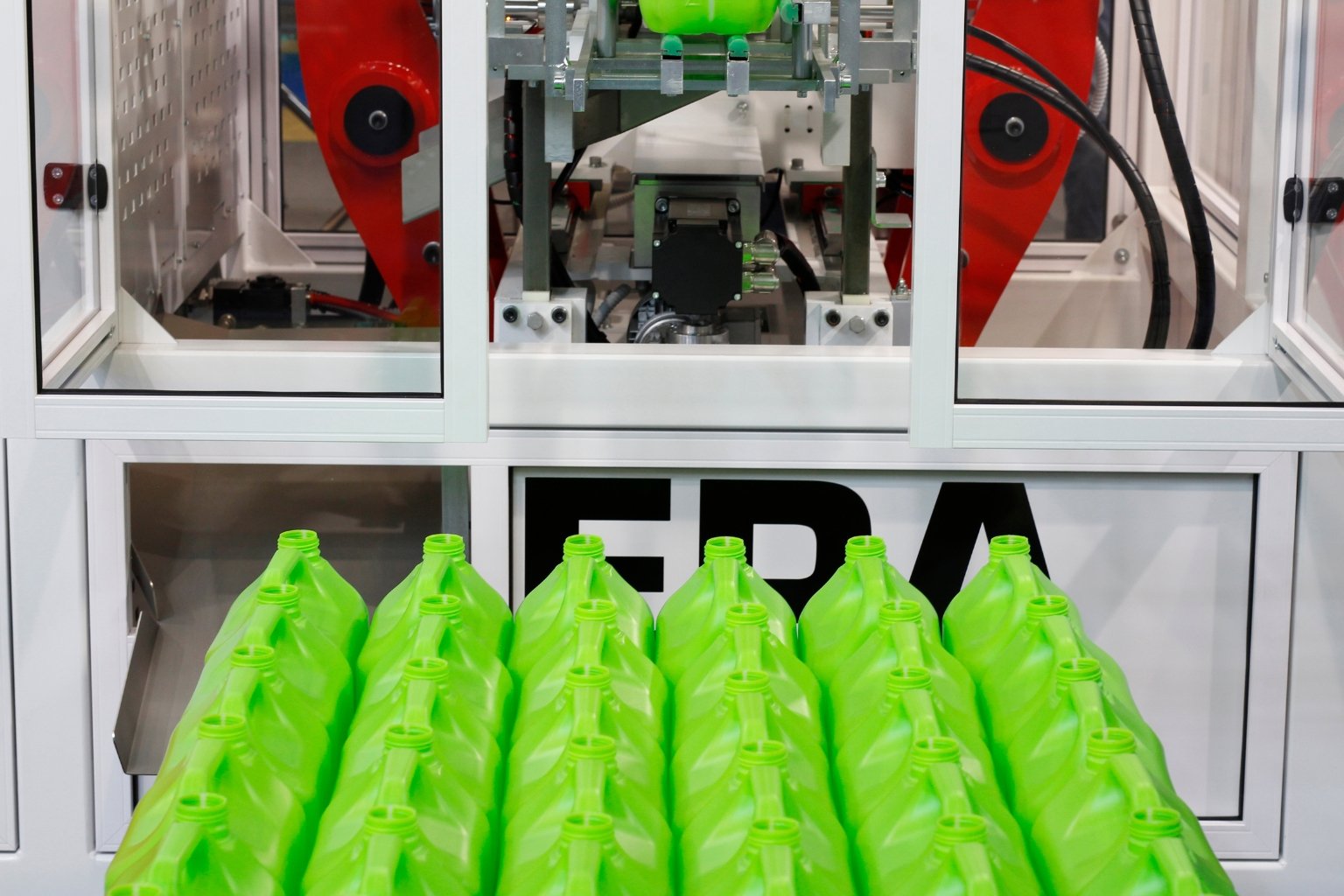
During blow moulding, controlled filler dispersion helps maintain parison stability and uniform wall thickness distribution across bottles, drums, and hollow containers — supporting weight reduction targets without sacrificing burst strength.
Higher tenacity tape at lower cost
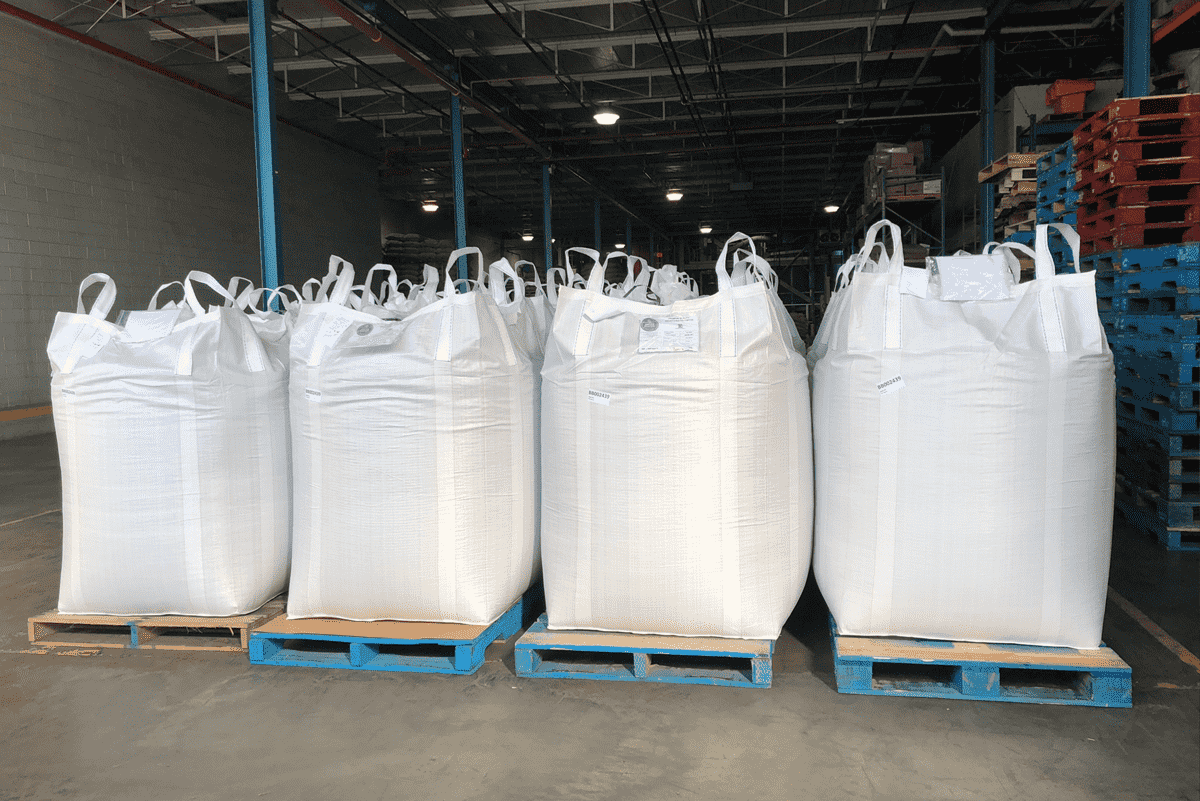
For woven sack and raffia tape extrusion, the filler's fine particle size supports high draw-down ratios while preserving tape tenacity, enabling material substitution at scale across FIBC, leno, and general-purpose woven sack production.

Uniform gauge, cleaner optics
In blown and cast film lines, PE Base Filler contributes to uniform gauge control and improved opacity where required, while supporting the mechanical stiffness needed for packaging films, liners, and multi-layer structures.
Engineered filler.
Predictable output.
Bajaj Plast PE Base Filler Masterbatch — formulated in Nagpur, India, for converters who need consistency batch after batch.
 BAJAJ PLAST PVT LTD