
From Landfill to Compost Bin: Rethinking Disposable Cutlery Manufacturing
Every day, billions of plastic spoons, forks, and knives are used for a matter of minutes and then discarded for centuries. That mismatch — a few moments of utility against a near-permanent environmental footprint — is exactly why compostable materials have moved from a niche experiment to a mainstream manufacturing decision. For companies producing single-use cutlery and food-service ware, the question is no longer whether to explore compostable alternatives, but how quickly the switch can be made without disrupting existing production lines.
The Problem With "Disposable"
Conventional plastic cutlery is typically made from polystyrene or polypropylene — materials chosen for their low cost and easy processability, not their end-of-life behavior. Once thrown away, these items can persist in landfills or waterways for hundreds of years, breaking into smaller fragments rather than truly disappearing. For an industry built entirely around single-use products, this creates a widening gap between how the product is used and how long its consequences last.
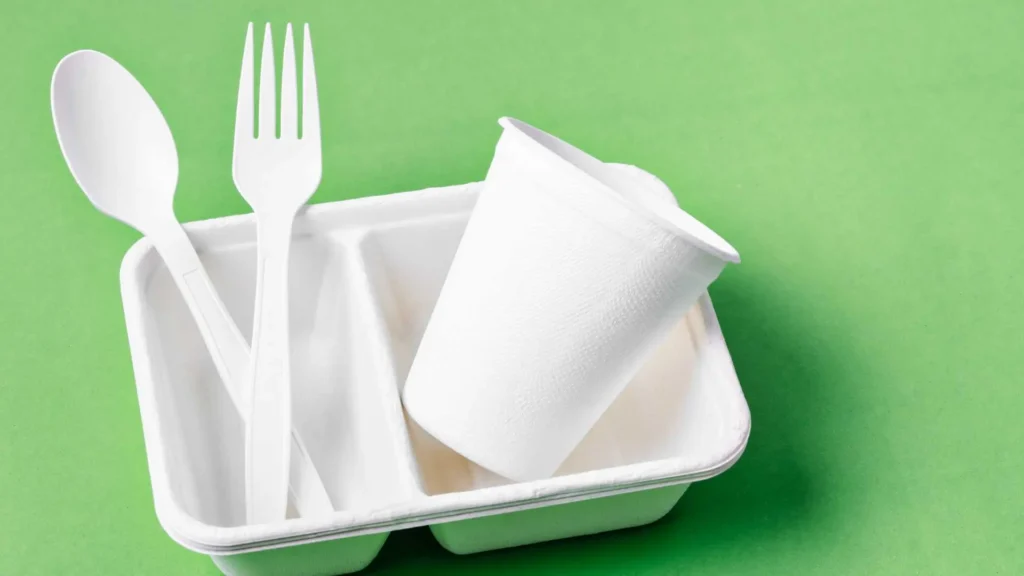
Compostable masterbatches and compounds close that gap by changing the chemistry of the cutlery itself, so the item breaks down into water, carbon dioxide, and biomass under proper composting conditions — without leaving microplastic residue behind.
How Compostability Actually Works
Compostable formulations rely on bio-based feedstocks rather than petroleum-derived resins. Common building blocks include:
- PLA (polylactic acid), typically derived from corn starch or sugarcane
- Cellulose-based polymers, sourced from plant fiber
- Castor-oil-based polymers, offering a renewable alternative backbone
A compostable compound is a ready-to-mold material engineered around these feedstocks. A compostable masterbatch, by contrast, is a concentrated additive that manufacturers blend into an existing base resin — a faster, lower-investment route for converters who want certified compostability without overhauling their material system from the ground up.
Why This Matters More for Cutlery Than Almost Any Other Product Category
Few product categories are as inherently short-lived as disposable cutlery. A fork used for a ten-minute meal and then discarded represents an outsized ratio of environmental cost to functional benefit. That makes cutlery, along with cups, straws, and food containers, one of the highest-leverage categories for compostable conversion — the environmental payoff per unit switched is unusually large.
Making the Transition Without Disrupting Production
The biggest hesitation manufacturers have isn't whether compostable materials work — it's whether adopting them means retooling an entire line. In practice, well-engineered compostable compounds and masterbatches are designed to be process-compatible with standard converting methods already in use for disposable ware, including:
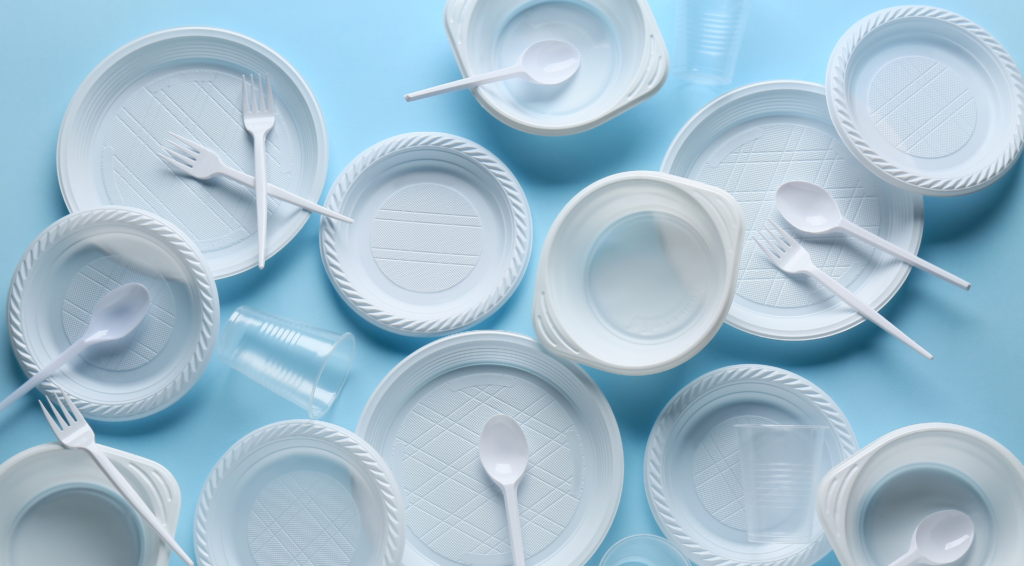
Injection moulding
for cutlery, plates, and rigid containers
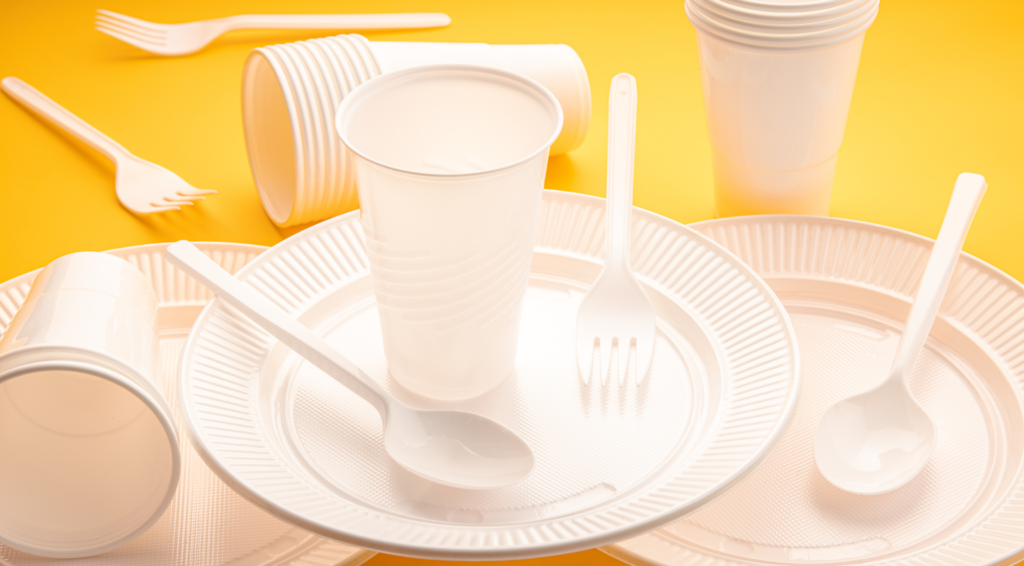
Thermoforming
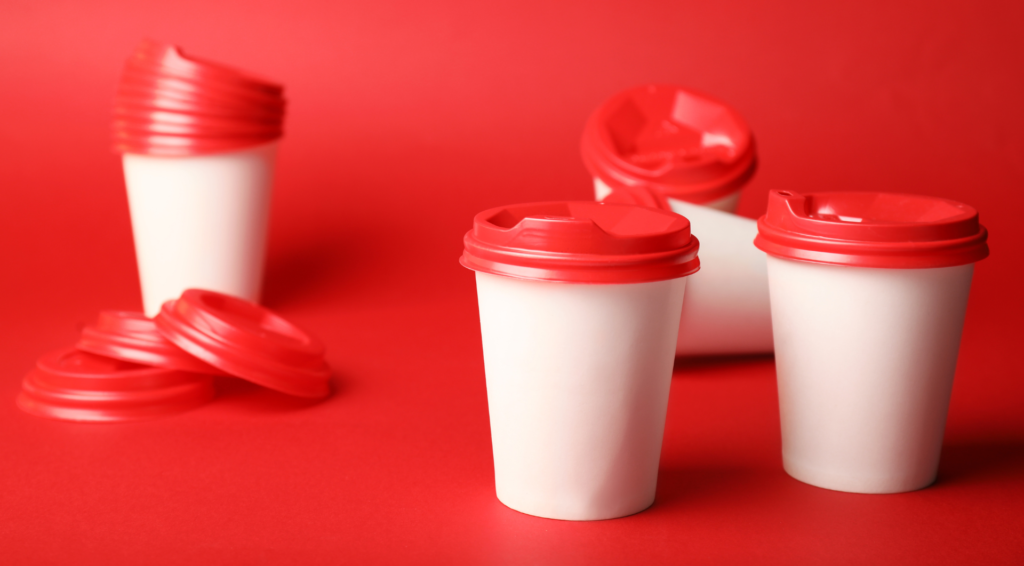
for cups, trays, and clamshells
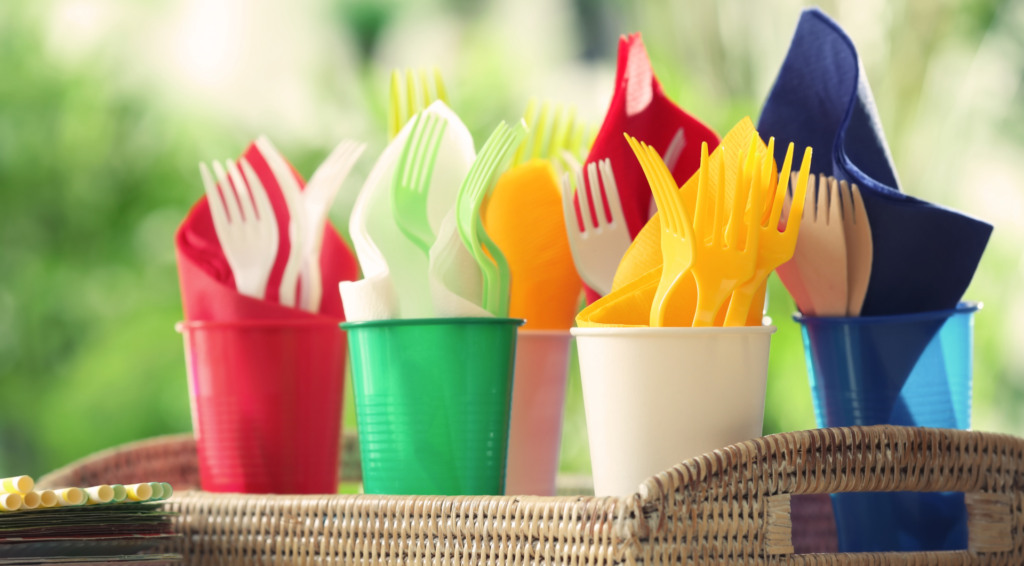
Blown and cast film
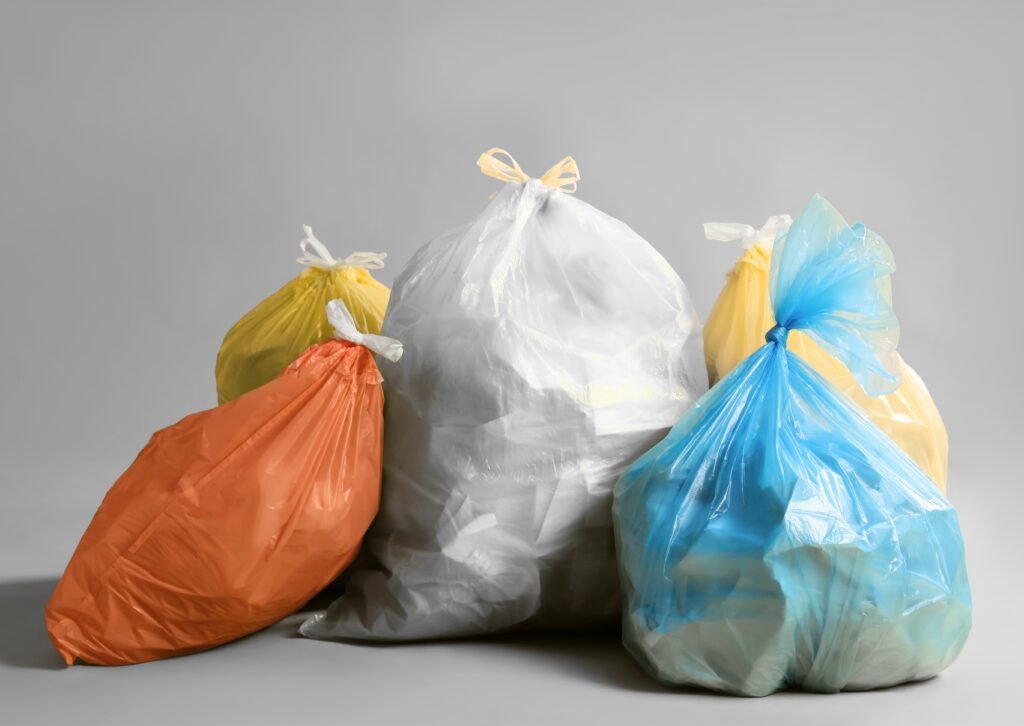
for wraps and flexible packaging components

Because these materials are built to run on conventional equipment, the transition is usually a formulation change and a trial run — not a capital overhaul.
What Manufacturers Should Look for in a Compostable Formulation
Not every compostable material performs the same way on a production floor. Before committing to a switch, manufacturers typically evaluate a formulation against a short checklist:
Certified biodegradation performance
does it meet internationally recognized compostability standards, not just marketing claims?
Processabilit
does it run cleanly through existing injection molding, thermoforming, or film equipment, or does it demand new tooling?
Food-contact safety
is it formulated to remain safe for direct contact with food and beverages?
Thermal performance
can it withstand hot foods and liquids without warping or losing structural integrity?
Dimensional consistency
does it hold tight tolerances batch after batch, minimizing scrap and rework?

A formulation that checks all five boxes allows a converter to make the switch using the machinery already on the shop floor, rather than investing in an entirely new production line.
The Business Case, Not Just the Environmental One
Sustainability arguments alone rarely justify a material switch on a factory floor — the business case has to stand on its own. For compostable cutlery, it increasingly does:
Regulatory pressure is accelerating.
More regions are restricting or phasing out single-use conventional plastics in food service, and early movers avoid the scramble of last-minute reformulation.
Buyers are asking first.
Caterers, airlines, retailers, and food-service brands are increasingly screening suppliers on sustainability credentials before price
Export markets reward certification.
Compounds built against recognized international compostability standards open doors to markets with strict import requirements.
Risk gets cheaper the earlier you act.
Reformulating on a rushed compliance deadline is expensive; reformulating proactively is a planned capital decision.

The Takeaway
Compostable cutlery sits at a rare intersection: it’s one of the few sustainability upgrades that reduces long-term regulatory and reputational risk while requiring minimal disruption to existing manufacturing infrastructure. For converters weighing the switch, the practical starting point isn’t a full redesign — it’s a trial batch with a certified compostable compound or masterbatch, run on the equipment already on the floor, to validate performance before scaling to full production.
About Bajaj Plast Pvt. Ltd.
Bajaj Plast Pvt. Ltd. is a leading manufacturer of high-quality masterbatch solutions, dedicated to innovation, sustainability, and excellence. With a strong focus on customer satisfaction and cutting-edge technology, we are committed to delivering superior products that meet the evolving needs of the polymer industry.

 BAJAJ PLAST PVT LTD