
How Nanotechnology Is Advancing Flame-Retardant Additives for Polymers
Fire safety has evolved beyond simply complying with basic regulatory requirements. Modern industries now demand materials that combine improved safety with greater strength, lower weight, better durability, and reduced environmental impact. These expectations are reshaping the development of flame-retardant solutions for polymers.
Nanotechnology has significantly enhanced the effectiveness and efficiency of flame-retardant systems, expanding their use across electrical components, building materials, automotive parts, and consumer products. By incorporating carefully selected nanoparticles into polymer formulations, manufacturers can achieve smarter, more reliable, and higher-performing fire-protection solutions.
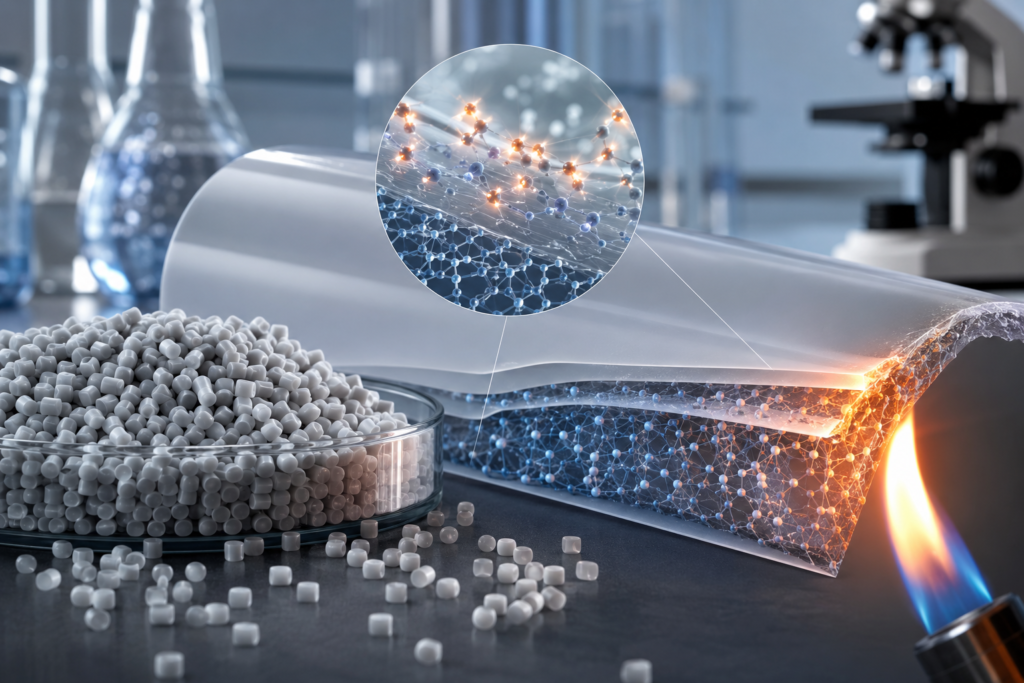
Why Conventional Fire Retardants Require Modern Solutions
For many years, conventional flame-retardant additives were the primary solution available to the plastics industry. Halogen-based formulations and mineral fillers were widely used because of their ability to reduce flammability and improve fire resistance. Although these systems can be effective, they often involve several limitations and performance compromises:
- High loading levels that affect mechanical strength
- Increased weight in end products
- Environmental and toxicity concerns
- Limited smoke suppression performance
- Reduced aesthetic quality in finished materials
Industries of today demand much more from materials. Materials should not only satisfy the fire safety requirements but also have features such as thermal stability and material development sustainability. This is why nanotechnology has become an innovative breakthrough.
Why Nanotechnology Offers a Different Approach
Nanotechnology involves engineering materials at the molecular and nanoscale level, generally at dimensions below 100 nanometres. At this extremely small scale, materials can display properties that differ significantly from those seen in their conventional form.
Because nanoparticles have a very high surface-area-to-volume ratio, even a small quantity can interact strongly with the polymer matrix and deliver a noticeable improvement in performance.
Nano-enhanced products can improve fire performance in various ways:
Nano-based flame-retardant additives can improve polymer fire performance in several ways:
Promote the formation of a protective char layer that helps insulate the polymer
Reduce the rate at which heat is released during burning
Limit smoke generation
Slow down flame propagation
Improve resistance to heat-related degradation
Because nano-additives can be highly effective at relatively low dosage levels, they often require less loading than conventional mineral fillers. This helps minimise the loss of mechanical strength, maintain better processability, and preserve the overall structure and performance of the polymer.
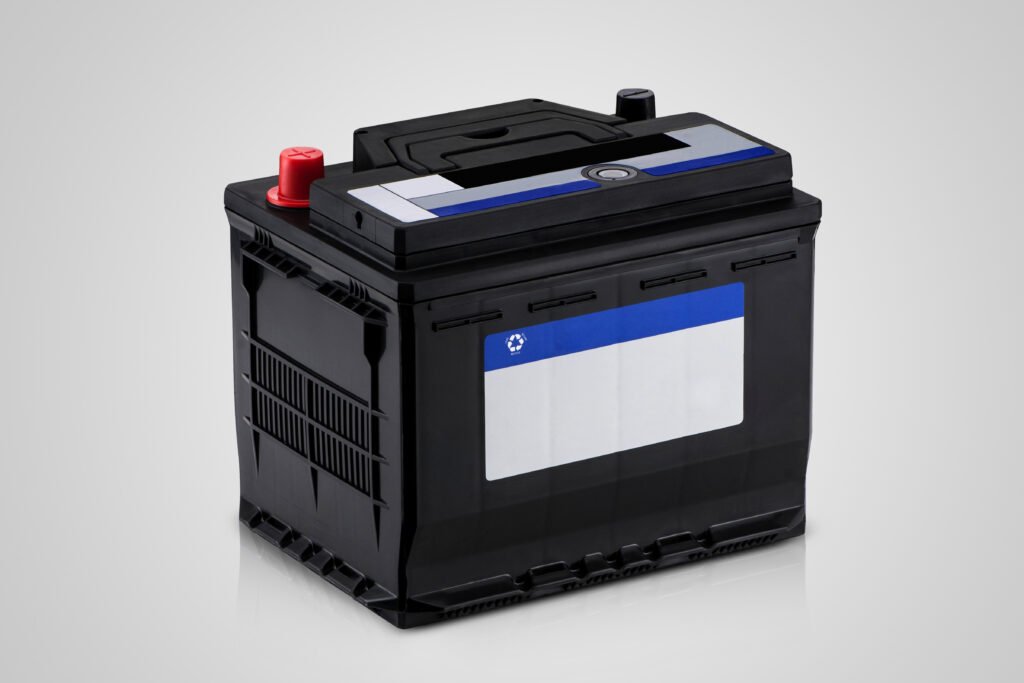
Common Nano-Additives Used in Polymer Formulations
Nanotechnology-based flame retardancy does not depend on a single material. A variety of nanoscale additives are used across different industries, with each offering specific benefits for improving the fire resistance and thermal performance of polymers:
1.Nanoclay Flame-Retardant Additives
Nanoclays help to form a barrier composed of layers inside the polymer. At the time of combustion, this barrier helps to slow down the gas release and reduce the oxygen penetration, thus making the material less flammable.
2.Nanoscale Aluminium Hydroxide and Magnesium Hydroxide
These two nano minerals are capable of making a material thermally more stable while at the same time, they help to keep the transparency and mechanical strength of some formulations.
3. Carbon Nanotubes and Graphene
These two highly researched materials facilitate the process of char formation and allow the regulation of both electrical and thermal conduction in highly specialized applications.
4. Nano-Engineered Silica Additives
Nano-silica improves the resistance to heat and also plays a role in making the flame retardant more efficient without significantly changing the density of the product.
All of these materials have been singled out to perform a particular function depending on which polymer is the matrix, whether it is polypropylene, polyethylene, engineering plastics, or specialty compounds.
Achieving Higher Performance Without Sacrifice
One of the major advantages of nano-enabled flame-retardant systems is their ability to improve fire safety while maintaining a better balance of material properties. Traditional flame-retardant formulations often increased fire resistance at the cost of flexibility, impact strength, or overall mechanical performance. Nano-engineered systems help reduce these compromises, allowing polymers to achieve stronger fire protection while preserving more of their original performance.
In the middle of this evolution, the development of advanced polymer fire-retardant systems has allowed manufacturers to:
- Achieve higher flame resistance at lower additive levels
- Maintain mechanical strength and flexibility
- Enhance long-term thermal stability
- Improve surface finish and product aesthetics
This is a crucial aspect for sectors such as electrical cables, switchgear components, and building panels, where safety and performance are equally essential.
Applications Across Industries
Nanotech-based fire retardant solutions are being implemented in many industries:
1. Construction & Infrastructure
Building materials, insulation panels, and plastics used in structures are now able to resist fire better and give off less smoke. The fire safety regulations in commercial and residential buildings have become stricter, and the need for advanced solutions has increased.

2. Electrical & Electronics
The enclosures of electrical equipment and insulation of cables are always areas that require materials that not only resist burning but can also maintain the electrical insulation properties. Nano-enhanced additives are able to provide support to both objectives.
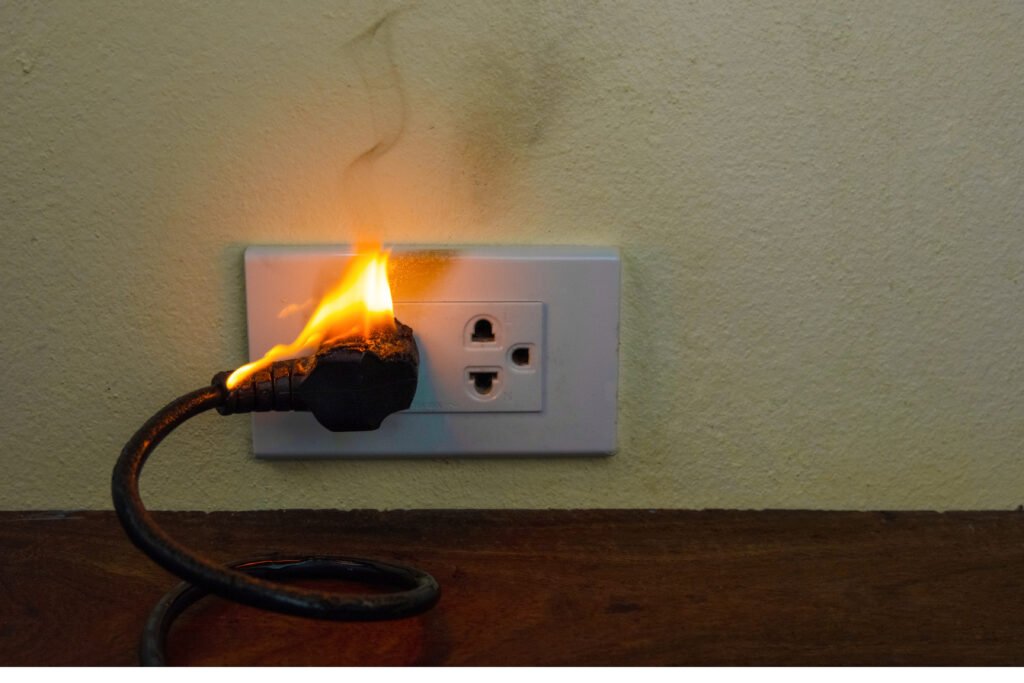
3. Automotive
Lightweight polymer parts have come to represent a large share of the modern car components. Nanotechnology makes it possible for fire-resistant materials to be kept lightweight, hence automotive fuel efficiency and performance of electric vehicles are supported.

4. Consumer Goods
Appliances and electronic gadgets require flame-retardant materials that, besides offering resistance, are durable and flexible in design.
Our exposure to specialty chemicals and customized additive solutions gives us the capability to determine the perfect formulation for each industry need.

Environmental and Regulatory Considerations
Sustainability has emerged as a major factor in material innovation. Many of the traditional halogen-based materials are being discontinued because of environmental and health risks.
Nanotechnology supports:
- Less use of dangerous chemicals
- Less additive consumption
- Better recyclability in some polymer systems
- Meeting of fire safety and environmental standards worldwide
With the continuous improvement of the regulatory provisions, particularly in the construction and electronics sectors, the need for cleaner and more efficient flame-retardant technologies is becoming stronger.
Technical Advantages That Matter
Product manufacturers and designers rely heavily on performance data. Nano-enhanced systems contribute measurable improvements, such as:
- Lowered peak heat release rate (PHRR)
- Elevated Limiting Oxygen Index (LOI)
- Promotion of better UL 94 ratings
- Superior dispersion in the polymer matrix
- Enhanced processing stability during compounding
These changes mean safer products and maintenance of product functionality for longer periods in a real-world environment.
The Future of Fire Retardant Innovation
The use of nanotechnology in flame-retardant systems is still developing, with ongoing research focused on creating more effective hybrid solutions. These advanced formulations combine nano-additives with phosphorus-based or intumescent technologies to achieve stronger fire resistance, lower smoke generation, and improved thermal protection.
We view this technology as part of a continuously evolving field. Successful development requires close collaboration across material science, polymer engineering, processing technology, and application-specific formulation. Our role goes beyond supplying additives; it includes evaluating processing conditions, understanding end-use environments, and helping manufacturers meet relevant safety and compliance requirements.
Growing demand for safer and higher-performing materials in infrastructure, electric mobility, renewable-energy systems, electrical components, and engineering plastics will continue to drive innovation in nano-enabled flame-retardant technology.
Engineering Safer Plastics Through Smart Material Design
Integrating nanotechnology into polymer flame-retardant systems represents an important advancement in modern fire-safety engineering. By combining advanced dispersion methods, material-science expertise, and rigorous performance testing, manufacturers can develop protective formulations that improve fire resistance while preserving strength, durability, and sustainability.
As demand grows for high-performance flame-retardant additives, industries are increasingly adopting intumescent systems, halogen-free solutions, and advanced polymer additives for construction, automotive, electrical, and industrial applications. This shift highlights the need for continuous innovation in material development.
At Bajaj Masterbatches, we remain focused on creating scientifically engineered solutions that meet evolving fire-safety requirements, support long-term material performance, and encourage more environmentally responsible manufacturing practices.
About Bajaj Plast Pvt. Ltd.
Bajaj Plast Pvt. Ltd. is a leading manufacturer of high-quality masterbatch solutions, dedicated to innovation, sustainability, and excellence. With a strong focus on customer satisfaction and cutting-edge technology, we are committed to delivering superior products that meet the evolving needs of the polymer industry.

 BAJAJ PLAST PVT LTD