
Bajaj Masterbatch • PP luggage applications
Masterbatches for
PP Luggage Bags.
Colour. Protection.
Precision.
PP-based masterbatch solutions for injection-moulded hard-shell luggage. Engineered around your polypropylene resin, shell design and finished-product requirements.
A better shell starts
with a balanced formulation.
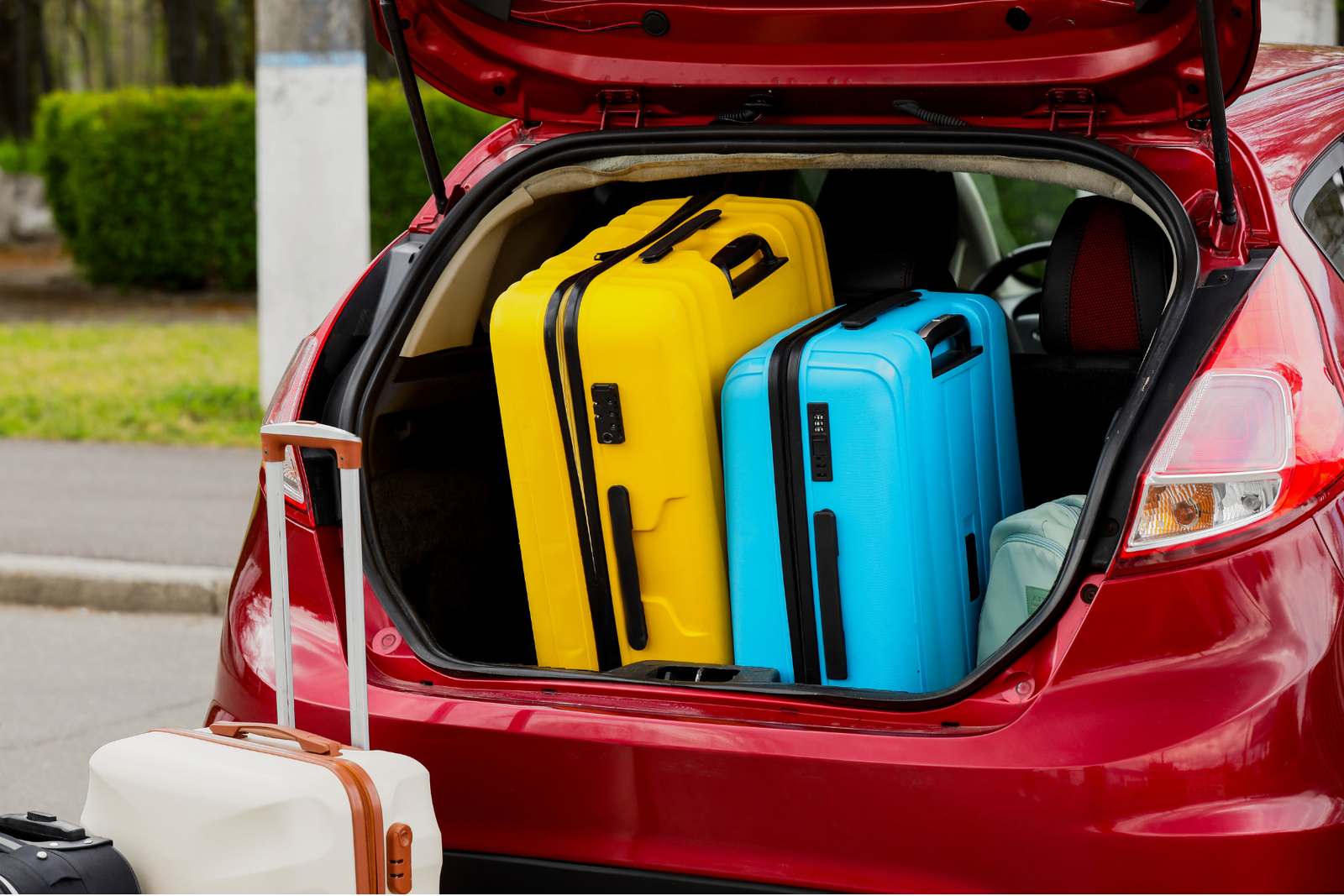
Hard-shell PP luggage combines a relatively lightweight body with the ability to flex during handling. The shell resin is commonly an impact copolymer polypropylene selected for the required balance of melt flow, stiffness and impact performance.
Bajaj masterbatches introduce colour and selected functional additives into this base resin. A PP carrier matched to the conversion process supports compatibility and distribution throughout the moulded shell.
The engineering goal: achieve the required appearance and protection while retaining the resin’s toughness, mouldability and dimensional stability.

This page focuses on rigid PP suitcase bodies. Fabric luggage, woven PP bags and ABS/PC shells use different material and process specifications. Wheels, handles, liners and fittings may use other polymers.
Get the highlights.
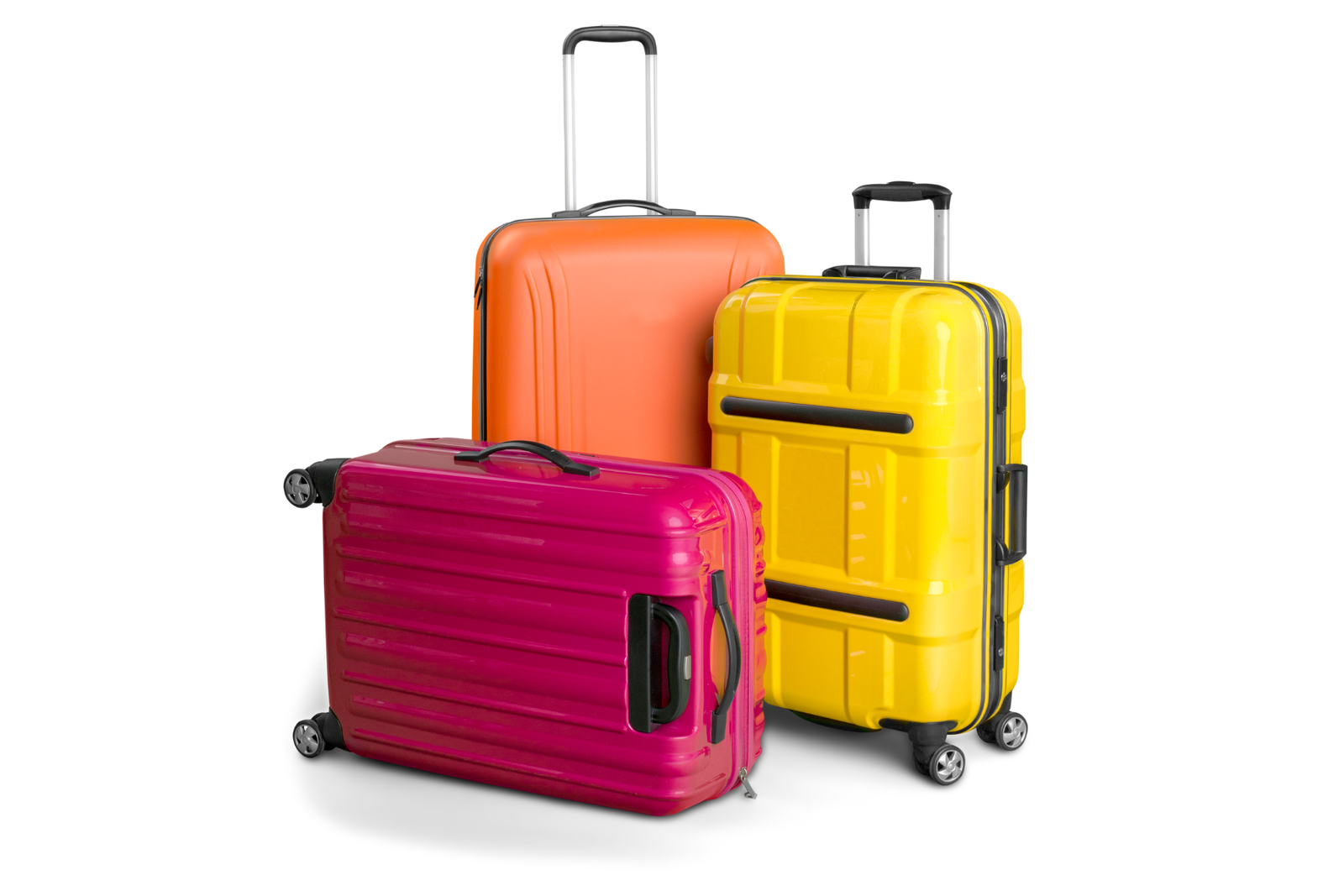
Designed around real luggage.
Consistent colour
Fine pigment dispersion helps produce a uniform shade across front and rear shells, ribs and textured areas. Matching trials should use the actual PP grade, wall thickness and mould finish.
Brighter white. Deeper black.
TiO₂ white and carbon-black masterbatches provide opacity and colour strength. Grade selection controls undertone, dispersion and the desired matte or gloss appearance.
Protection against sunlight
An application-matched UV package helps slow photo-oxidation, colour change and embrittlement during exposure. Performance depends on stabiliser chemistry, pigment system and exposure conditions.
Stability through processing
Antioxidant solutions help limit oxidation during melt processing and thermal exposure. They support retention of polymer properties, particularly where qualified regrind is introduced.
Controlled shell rigidity
Trial-qualified stiffness and mineral systems can adjust flexural behaviour. Formulation must preserve corner impact, hinge flexibility and finished-shell weight targets.
A surface that represents your brand
Consistent dispersion supports a cleaner-looking moulded surface. Surface modifiers may be considered for defined scuff or handling requirements after checking printing, bonding and migration.
Bajaj masterbatch range.
Choose the function you need.
Build the colour system first. Add functional solutions to address a defined requirement. Ask Bajaj to confirm the PP carrier, exact grade and recommended addition level for your shell formulation.
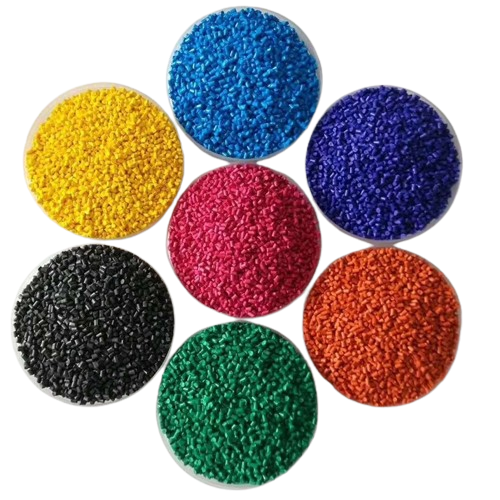
Colour Masterbatch
PP-carrier colour formulations
For brand shades and coordinated shell colours. Select pigment heat stability, lightfastness and dispersion for injection moulding.
Qualification focus: Check shade at actual wall thickness, weld lines, pigment-related shrinkage and lot consistency.
Explore Colour Masterbatch ↗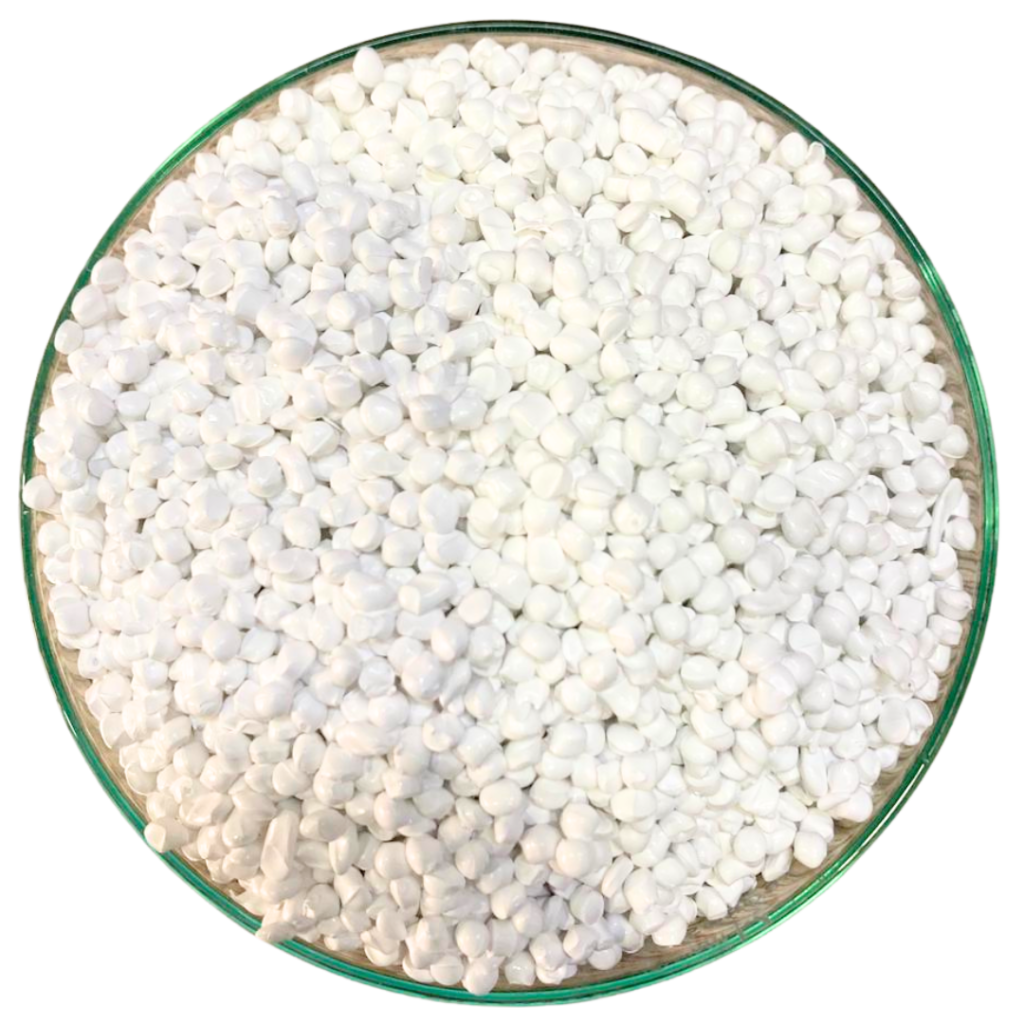
White Masterbatch
PP-compatible TiO₂ formulations
For whiteness, opacity and pastel colour development. TiO₂ concentration and dispersion should suit the target coverage and surface finish.
Qualification focus: Check undertone, opacity, impact retention and colour after thermal exposure.
Explore White Masterbatch ↗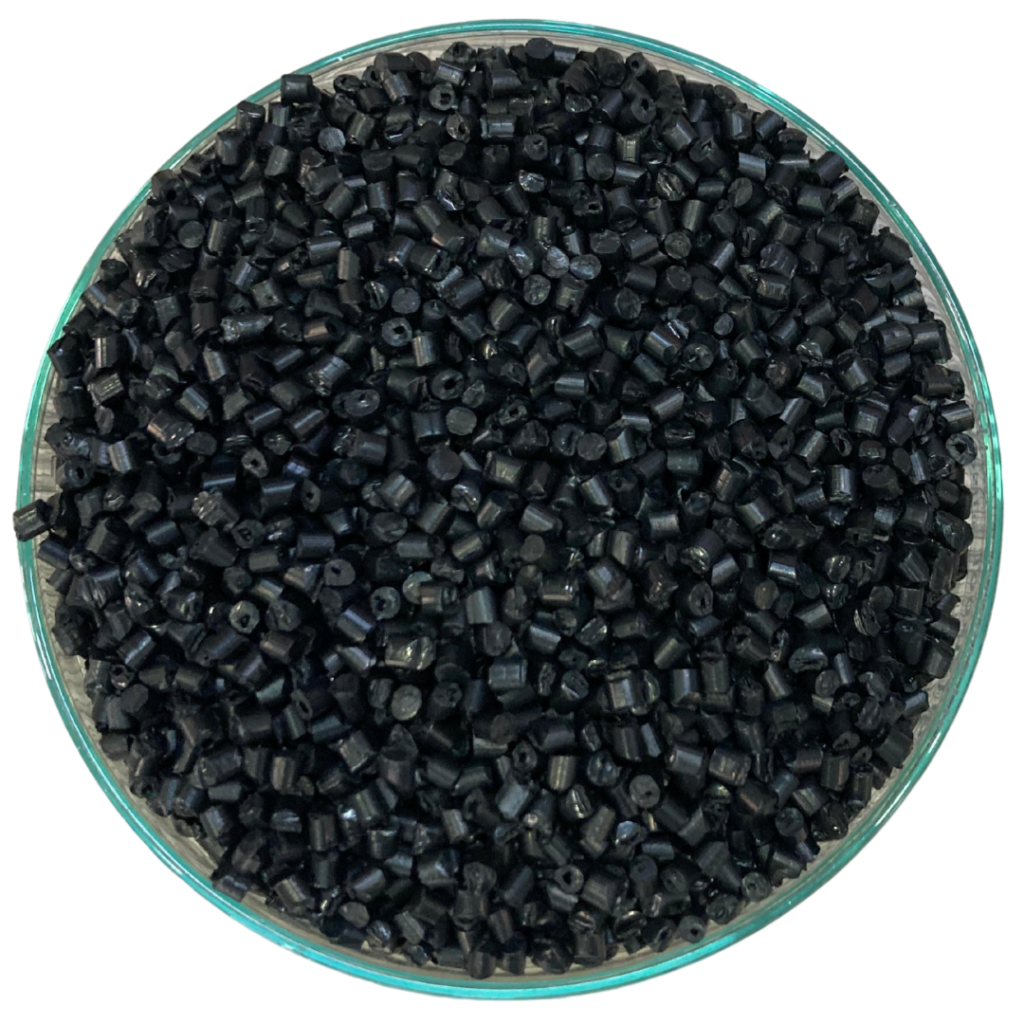
Black Masterbatch
PP-compatible carbon-black formulations
For strong black colour and opacity. Carbon-black dispersion is important for uniform appearance and avoidance of visible specks.
Qualification focus: Do not assume every black grade provides sufficient UV protection; confirm the package and validate weathering.
Explore Black Masterbatch ↗
UV Masterbatch
PP-compatible UV stabiliser package
For luggage exposed to sunlight during transport and use. Select the package for PP, colour, expected exposure and other additives.
Qualification focus: Evaluate accelerated weathering, colour difference and retained mechanical performance.
Explore UV Masterbatch ↗
Antioxidant Masterbatch
PP-compatible stabilisation
For additional oxidation control where resin stabilisation, residence time or regrind history requires it.
Qualification focus: Assess resin’s existing additive package, melt flow drift and retained impact properties.
Explore Antioxidant Masterbatch ↗
Nucleating Agent Masterbatch
Plast Clear family — request PP grade
For controlled PP crystallisation where dimensional or cycle-time objectives justify evaluation. Nucleation can affect stiffness, shrinkage and cooling behaviour.
Qualification focus: Impact copolymer shells remain opaque; a clarifying additive does not make them transparent. Check warpage and toughness.
Explore Additive Masterbatches ↗
Stiffness / Mineral Masterbatch
Plast Stiff / PP-base filler / talc platform
For targeted rigidity or formulation economics where shell design permits mineral addition. Mineral loading and particle characteristics affect properties.
Qualification focus: Increased density or reduced impact performance can offset benefits. Compare finished-shell mass and drop-test results.
Explore Stiffness ↗
Antistatic Masterbatch
PP-compatible antistatic formulation
For reducing static-related dust attraction where a defined surface-resistance requirement exists.
Qualification focus: Performance may depend on humidity and additive migration; check longevity, surface appearance and bonding.
Explore Antistatic Masterbatch ↗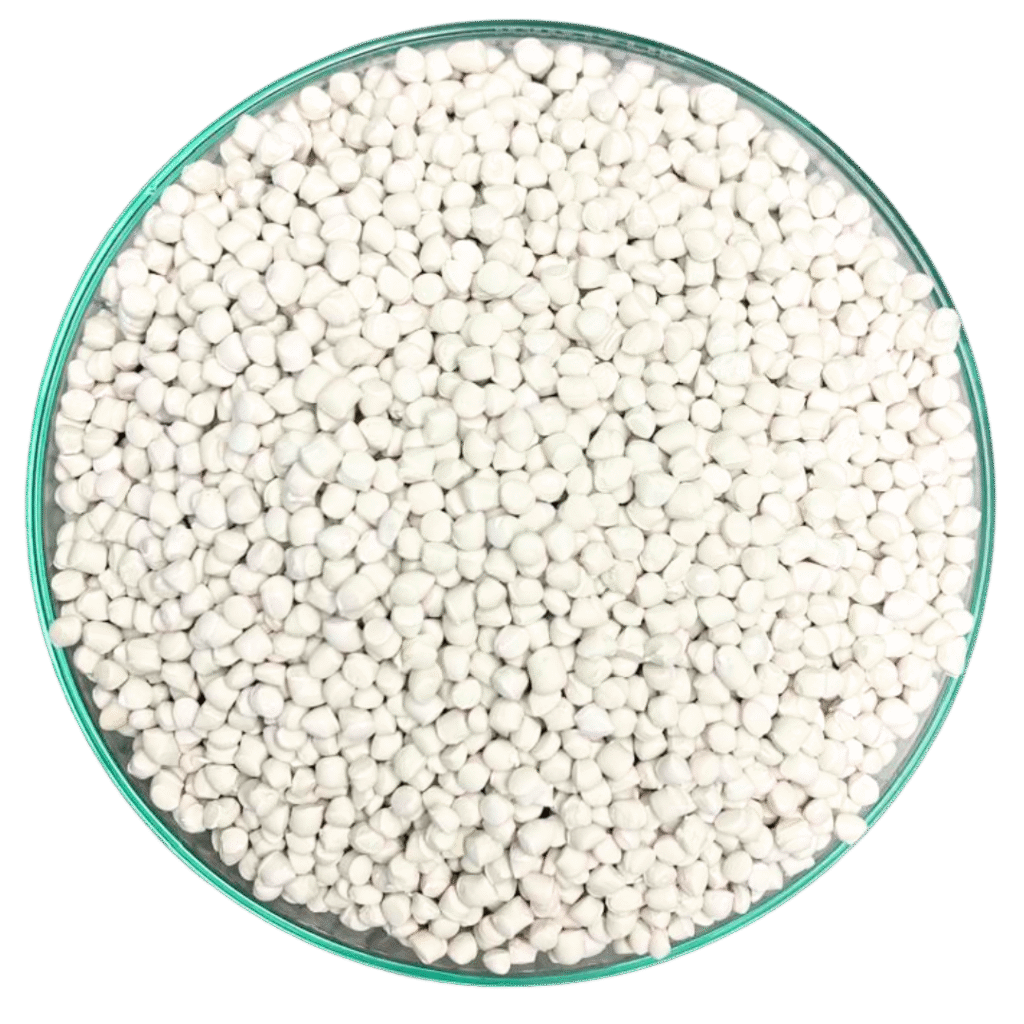
Desiccant Masterbatch
Request application-specific PP solution
Desiccant may address moisture-bearing recycled feed when the chosen grade is suitable for PP injection moulding. Validate the need against feed preparation and moisture measurements.
Qualification focus: Clean, dry virgin PP does not normally need desiccant. Confirm injection-moulding suitability and check gas defects, appearance and impact performance.
Explore Desiccant ↗Grade selection matters. These are product-family recommendations, not a qualified luggage recipe. Exact carrier, active content, dosage and suitability must be confirmed through the selected grade’s TDS and shell trials. Existing resin additives must be considered before adding further stabilisers or nucleating agents.
How is the PP body made?
From pellets to precision shells.
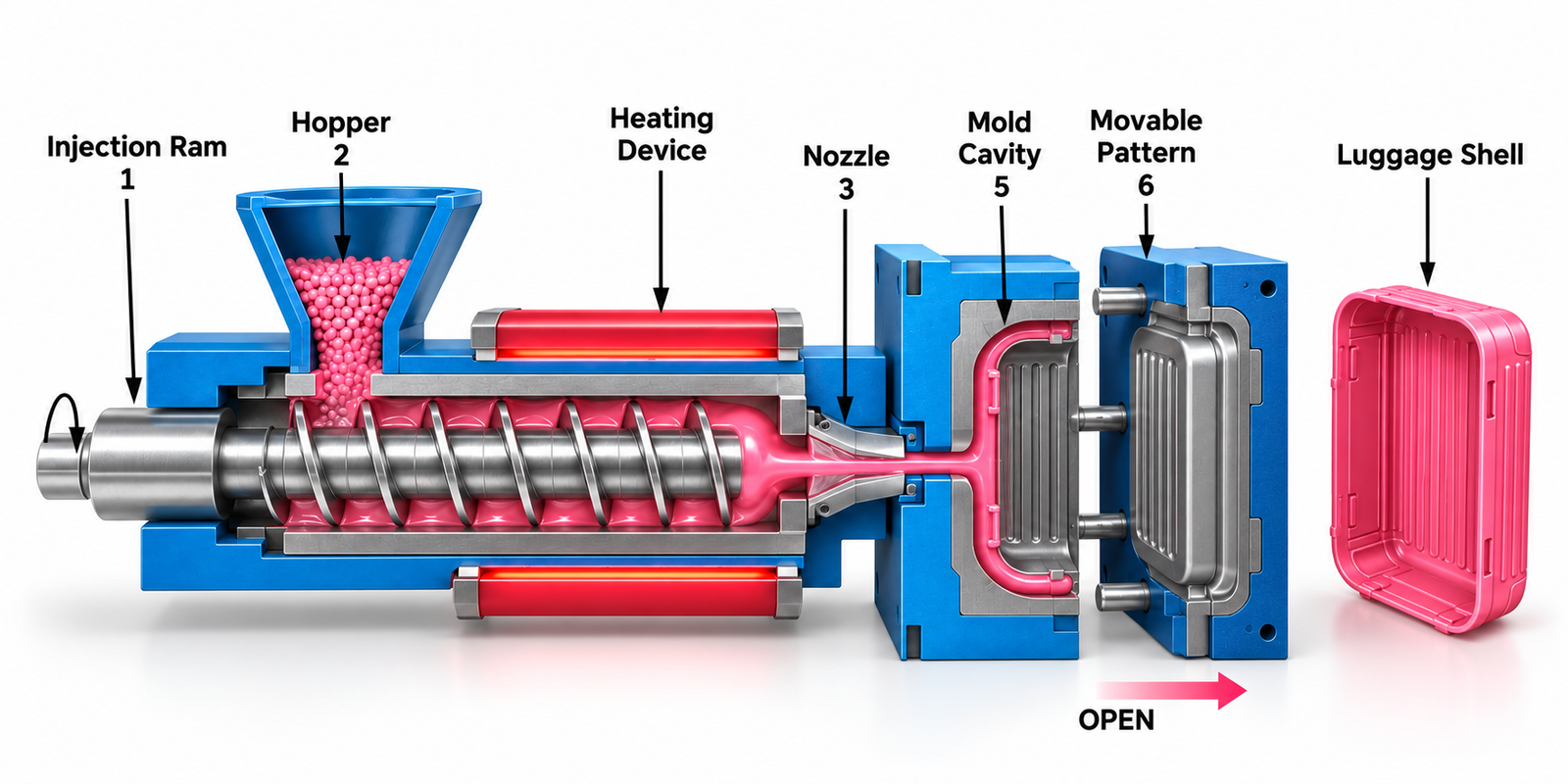
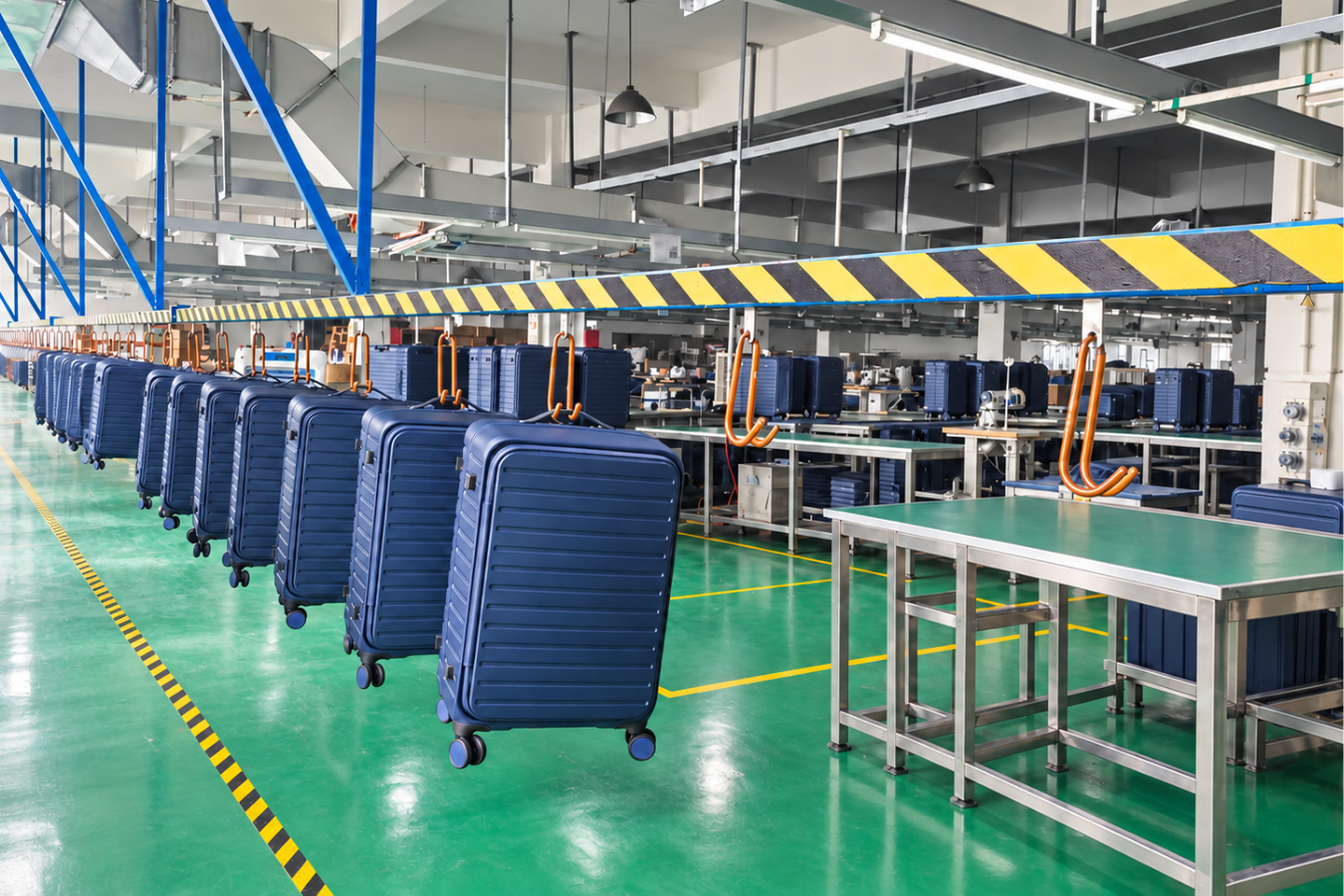
Injection moulding is a common route for rigid PP luggage bodies. The front and rear shells are moulded separately, then assembled with the luggage hardware.
Select the shell resin
Choose a luggage-suitable PP grade for the required flow length, wall thickness, stiffness and room-temperature / low-temperature impact targets. Any recycled content requires a controlled specification.
Dose and blend
Meter masterbatch by mass using calibrated dosing equipment. Blend resin, colour and approved additives consistently. Follow grade-specific storage and moisture guidance; prevent contamination and pellet segregation.
Plasticise the blend
The injection machine screw melts and mixes the feed. Set barrel temperature, screw speed and back pressure to achieve dispersion while avoiding excessive shear or residence time.
Inject into the shell mould
Inject the melt into a closed mould forming the front or rear body, ribs, textures and mounting details. Gate location, venting and flow paths affect filling, weld lines and visible surface quality.
Pack, cool and eject
Holding pressure compensates for shrinkage while the gate remains open. Balanced mould cooling controls crystallisation and dimensional change. Eject after the shell is sufficiently stable to avoid deformation.
Assemble and qualify
Trim gate residues as needed, then fit closures, lining, handles and wheels. Assess finished luggage for drop impact, loaded handling, dimensional fit and appearance; test hinges where the design includes them.
Other constructions: specialised self-reinforced PP luggage can use consolidated woven PP composite sheets shaped by thermoforming or compression forming. Its additive strategy must be qualified for the sheet and forming process; an injection-shell formulation should not be transferred automatically.
Moulded for the journey.
Qualified for the handling.
Test where shells work hardest.
Pay particular attention to corners, rib intersections, handle fixings and closure edges. Flow-induced orientation and weld lines can create local differences in appearance and impact response.
Compare finished assemblies under the intended load and temperature range. A good material coupon result is a starting point; shell geometry and assembly also determine luggage performance.
Match the challenge.
Validate the result.
| Manufacturing need | Bajaj solution family | Target benefit | Verify on the finished shell |
|---|---|---|---|
| Brand colour variation | Colour / White / Black | Matched shade and coverage across shells | Colour difference, opacity, dispersion and surface finish |
| Sunlight exposure | UV + compatible pigment system | Slower colour change and photo-oxidative deterioration | Weathering and retained impact / elongation |
| Thermal processing or qualified regrind | Antioxidant, where required | Support for polymer stability | Melt flow change, colour drift and impact retention |
| Rigidity or dimensional target | Nucleating / Stiffness / Mineral, trial only | Adjusted crystallisation or stiffness | Warpage, shrinkage, shell weight and low-temperature impact |
| Dust attraction | Antistatic, where specified | Reduced static accumulation under suitable conditions | Surface resistance over time and at relevant humidity |
| Moisture defects from recycled feed | Feed control + suitable desiccant, if justified | Potential reduction of moisture-related defects | Moisture, silver streaks, gas defects and mechanical properties |
Performance belongs
to the whole formulation.
Protect the stiffness–impact balance.
A suitcase shell must flex and recover without cracking at corners, ribs, weld lines or mounting points. Base resin, geometry, processing and additive loading all influence the result.
Do not select filler solely by cost per kilogram. Increased density changes shell weight; reduced toughness can lead to failure during drops. Compare qualified part cost and performance at equivalent design conditions.
Control appearance and assembly.
Assess colour on actual moulded shells, because texture, gloss, thickness and flow direction influence perceived shade. Inspect specks, streaks, weld lines, sink marks and flow marks.
Confirm that any migrating surface additive is compatible with decoration, adhesive bonding, closure assembly and the required surface feel. Scratch resistance requires a defined test; it cannot be inferred from colour quality alone.
Process responsibly.
Keep PP in the material cycle.
Support responsible plastic processing through controlled scrap recovery, compatible formulations and products designed for practical disassembly.
Recover clean process scrap.
Segregate PP runners, start-up parts and rejected shells by polymer and shade. Grind clean material and introduce it at a qualified ratio. Control contamination, thermal history and melt flow to protect impact performance.
Test before increasing content.
PIR and PCR polypropylene require different qualification strategies. Characterise odour, moisture, ash, colour and toughness. Suitable antioxidant, colour or desiccant solutions can address defined issues; they cannot remove all contamination or reverse polymer degradation.
Make separation practical.
Identify shell polymer and design for separation from metal handles, wheels, textile liners and closures. PP is mechanically recyclable where suitable collection and processing exist; a finished suitcase is a multi-material assembly.
Make specific environmental claims. PP-carrier compatibility supports a PP formulation but does not certify the entire bag as recyclable. Masterbatch does not make PP biodegradable. Confirm local recovery routes and verify any recycled-content or environmental claim with evidence.
Every angle.
More possibilities in PP.
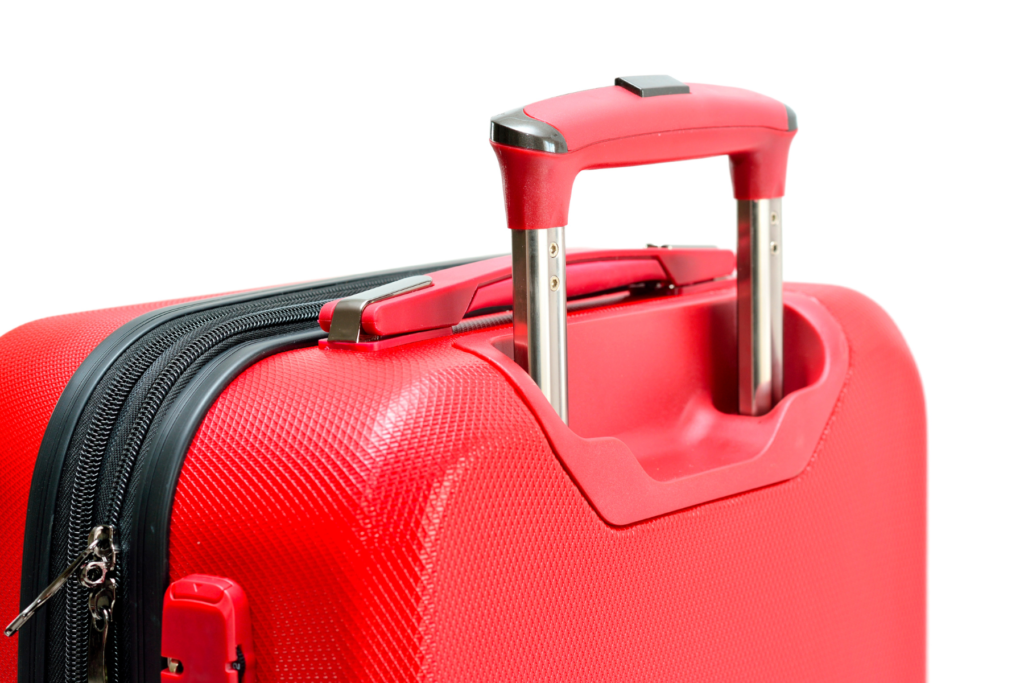
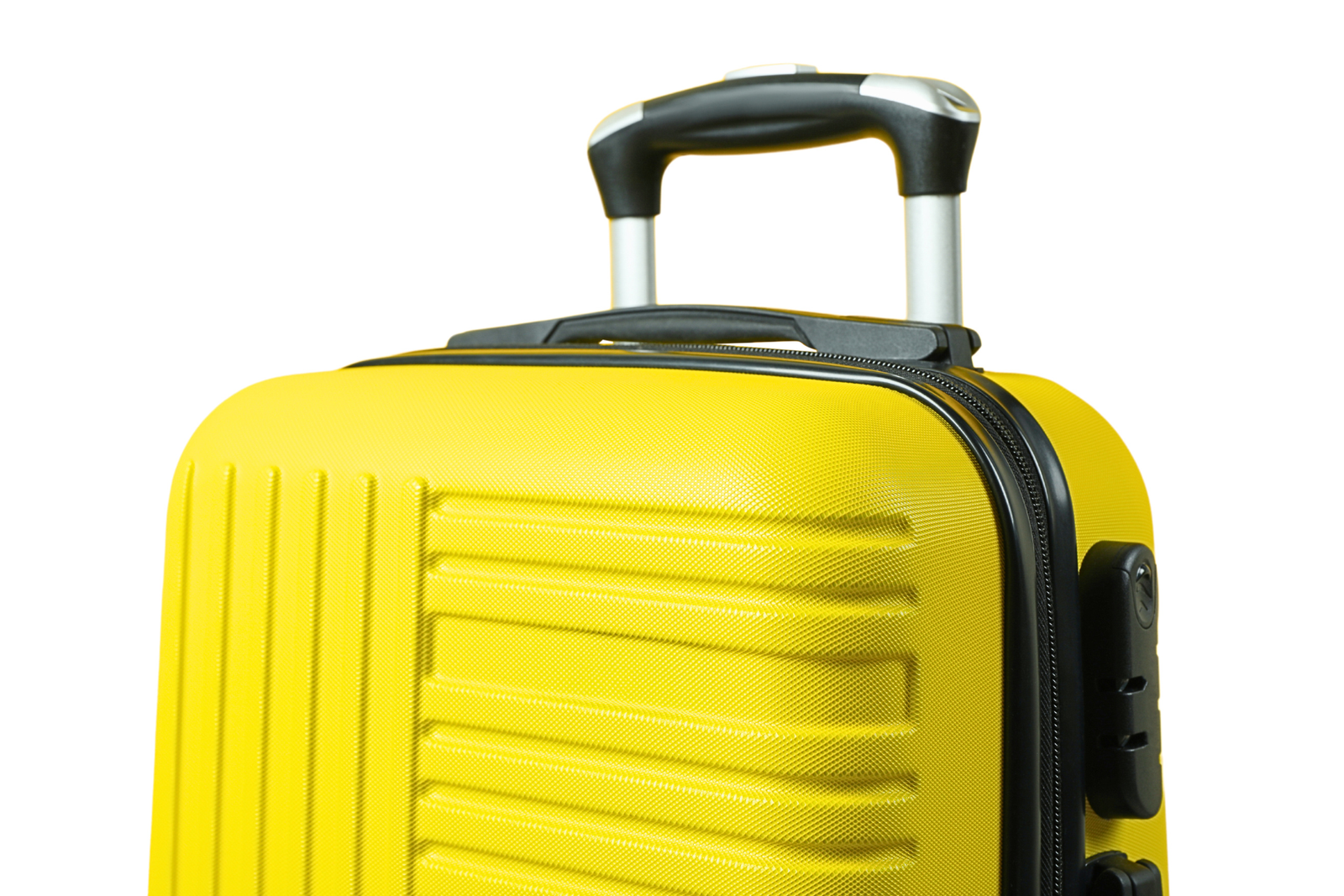
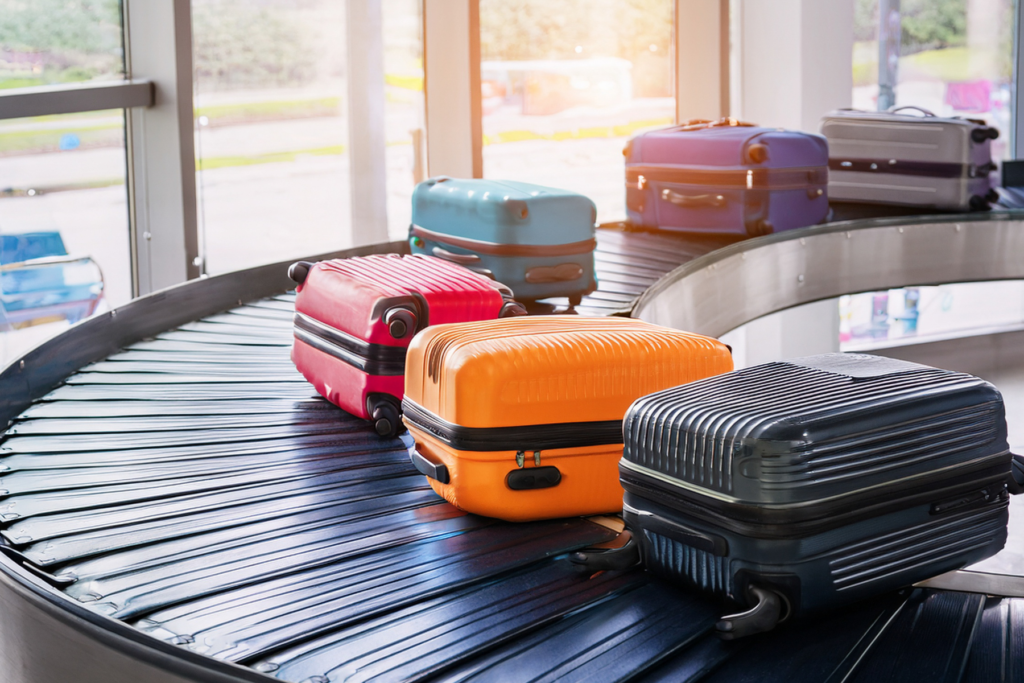
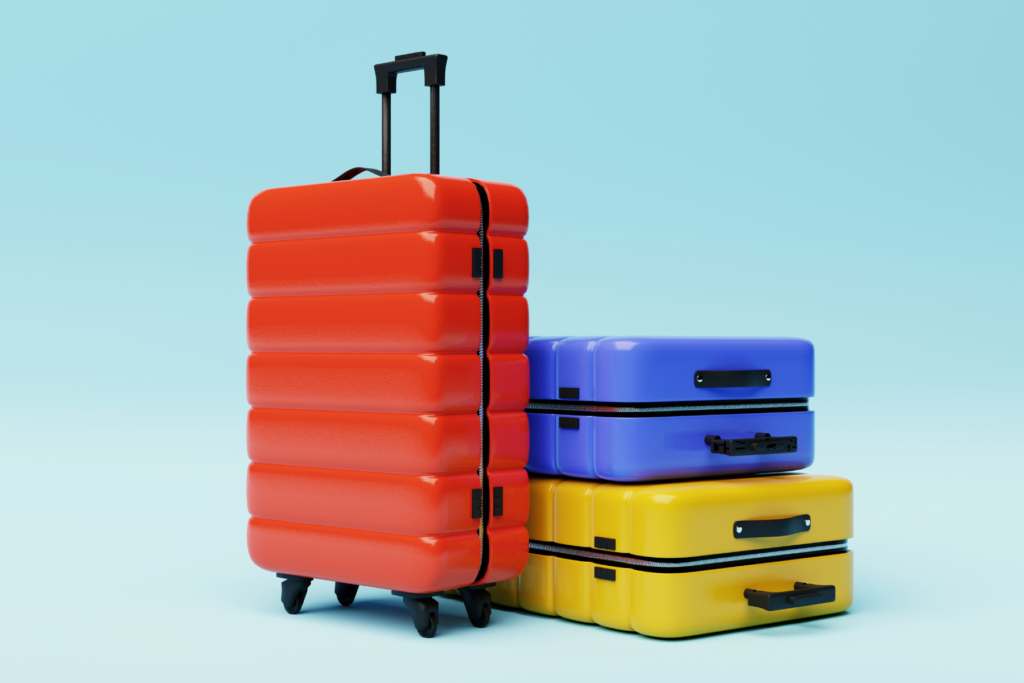
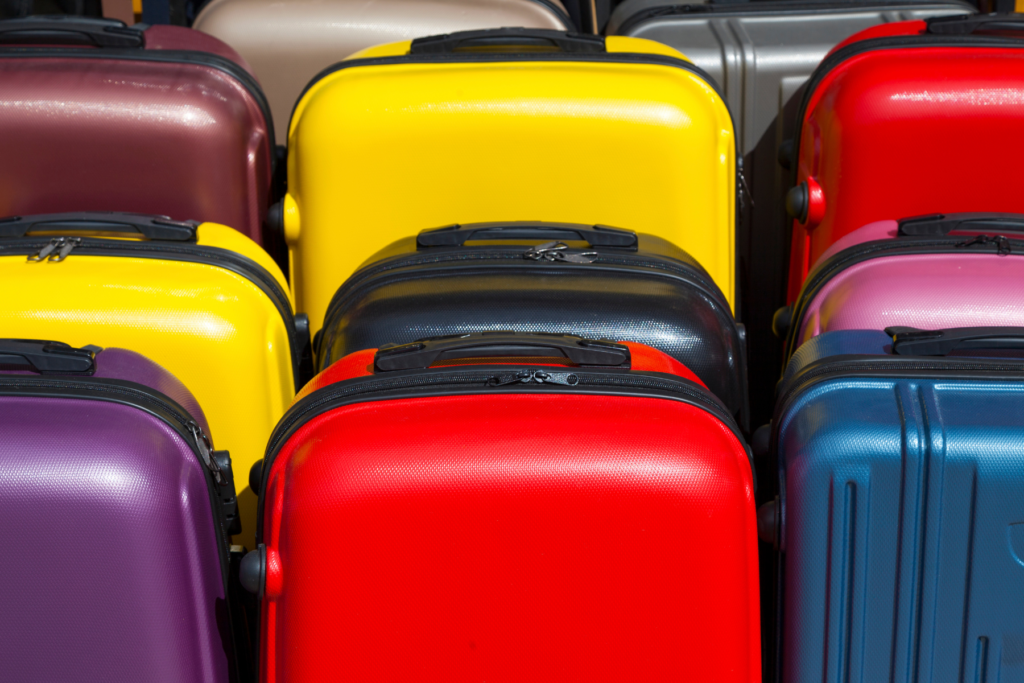
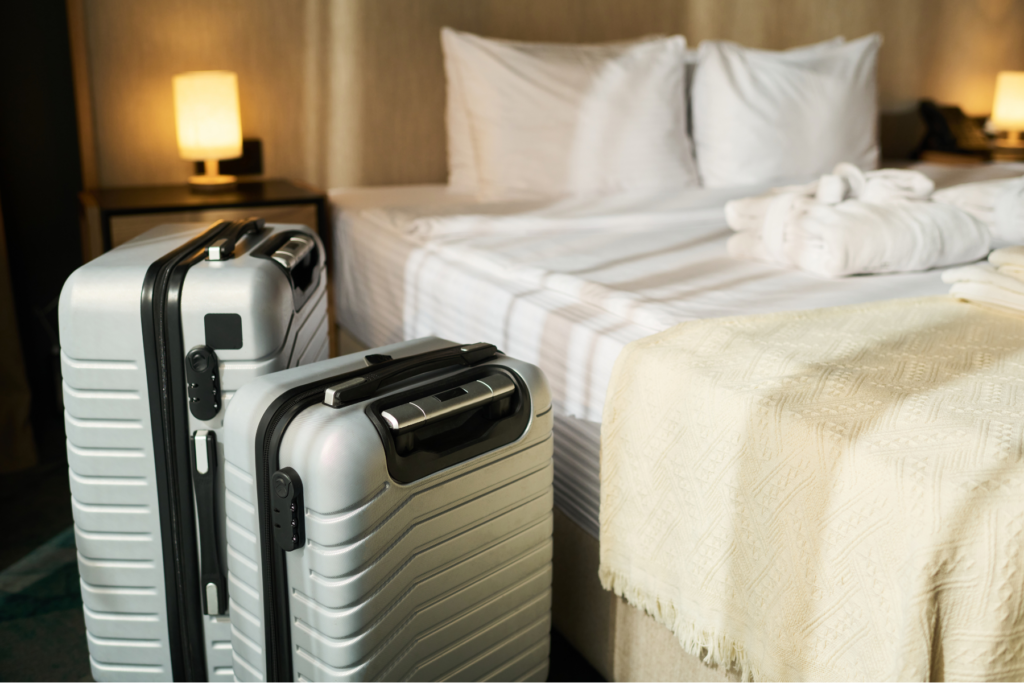
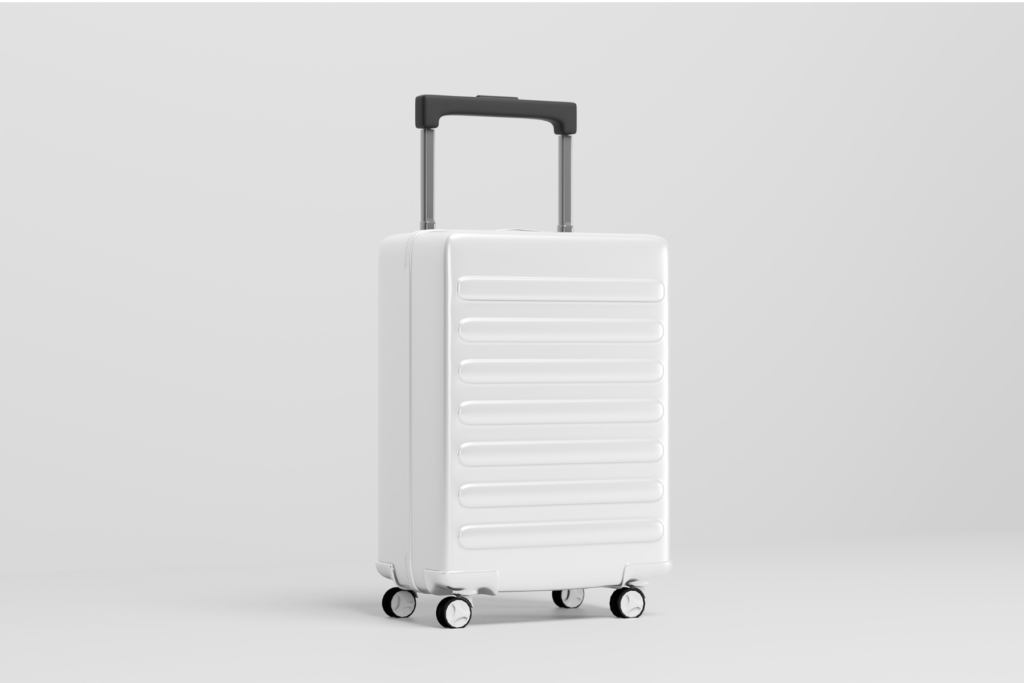
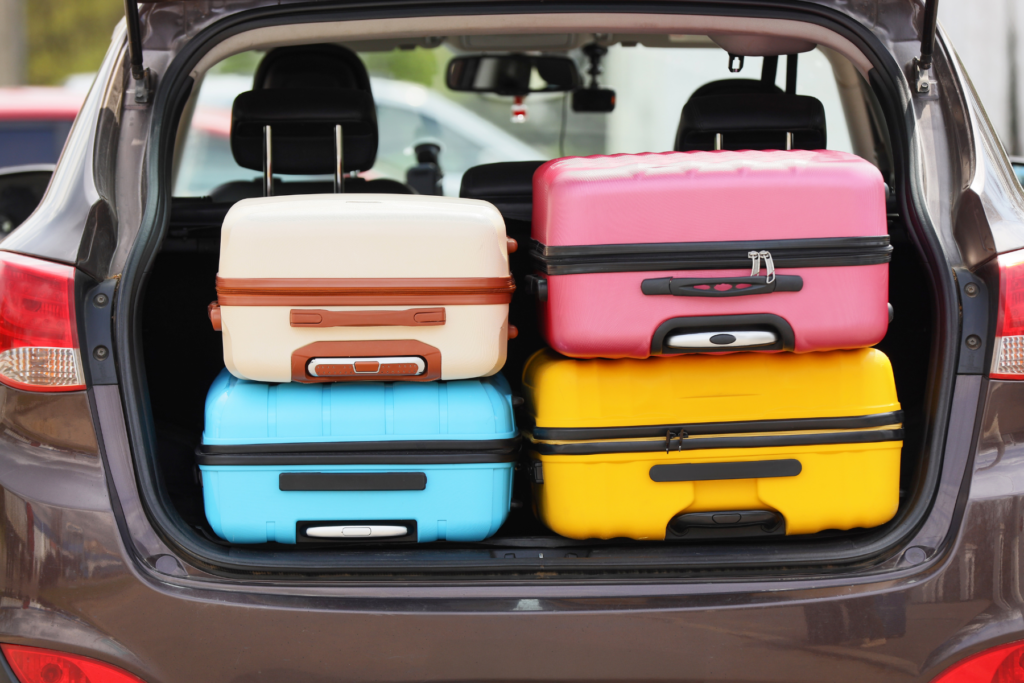
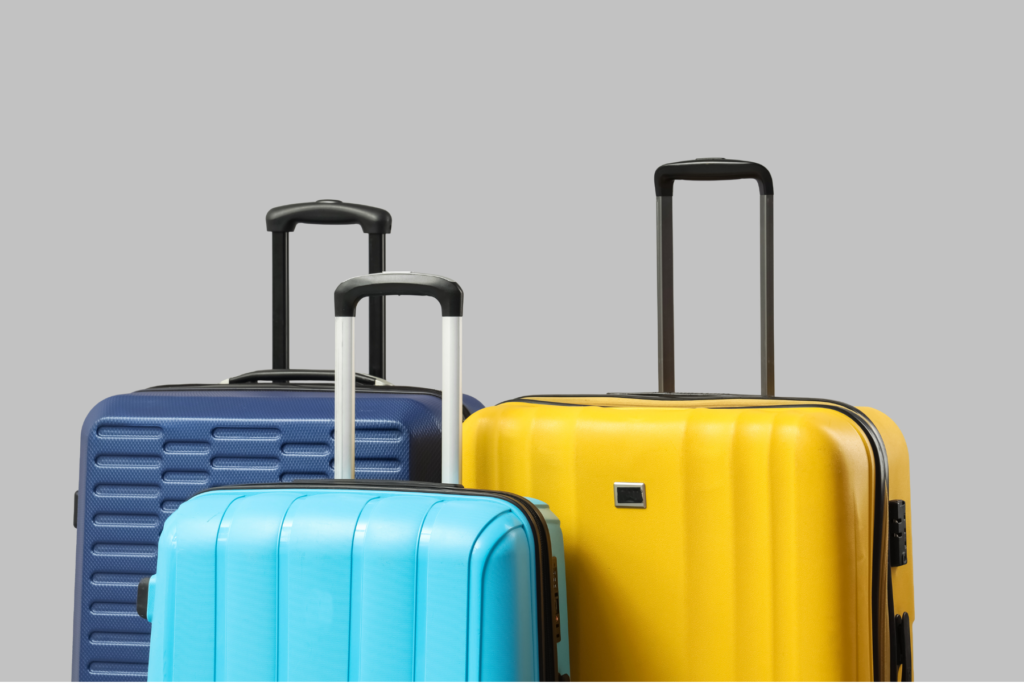
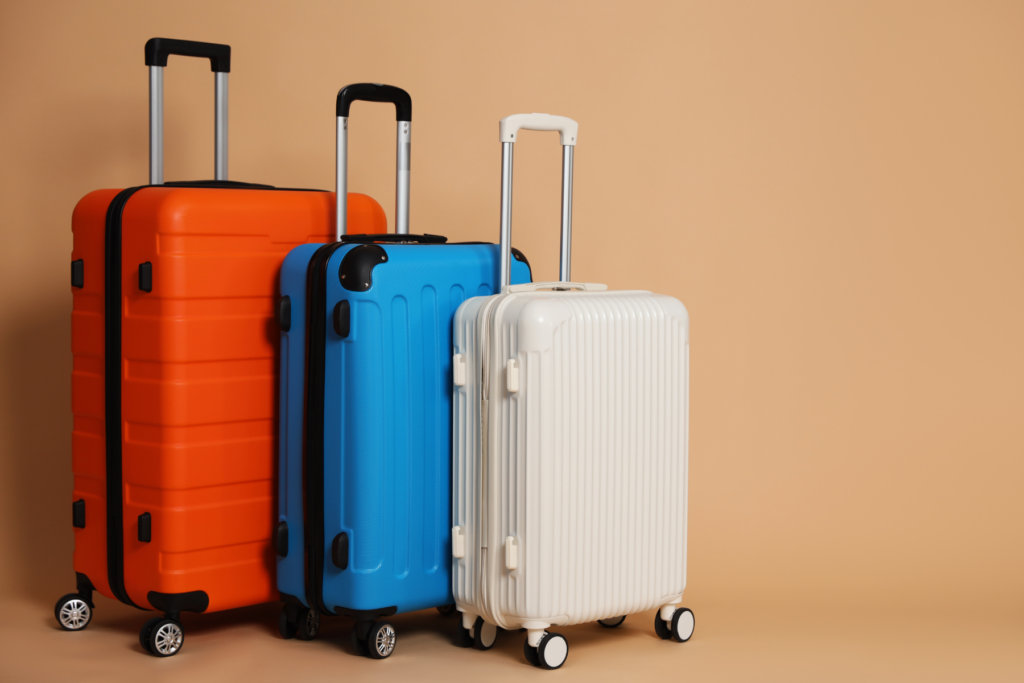
Explore the complete luggage image collection from Bajaj’s application page. A visual reference for shell colour, shape and finish — final material and performance specifications remain design-specific.





Why choose
Bajaj Masterbatch?
PP-focused selection.
PP and PE masterbatch platforms with application-oriented grade selection. Specify a PP-carrier formulation for your luggage programme and confirm compatibility with the chosen resin.
From shade to shell trial.
Technical expertise and in-house laboratory facilities support discussions around colour, dispersion and functional requirements. Define a measurable qualification target before production approval.
Built for repeat supply.
Bajaj’s four manufacturing plants and stated group capacity of 120 KT per annum support industrial supply. Agree shade tolerances, approved grades and incoming quality checks for your production needs.
Technical questions.
Clear answers.
Which masterbatches are needed for PP luggage?
Colour, white or black masterbatch forms the appearance system. UV and antioxidant additions depend on exposure and existing resin stabilisation. Nucleating, stiffness, filler, antistatic and surface solutions are optional and should address a specific validated requirement.
Can masterbatch alone improve luggage impact strength?
Colour and stabiliser masterbatches do not replace an impact-suitable base PP grade or sound shell design. If extra toughness is required, discuss a qualified impact-modification approach with the resin and additive suppliers; validate it on the finished part.
How much masterbatch should be added?
Use the selected grade’s TDS and supplier recommendation. Addition level depends on pigment or additive concentration, resin, wall thickness and required performance. Universal dosage values are not suitable for every luggage shell.
Can recycled PP be used in the luggage body?
Only with a controlled feed specification and appropriate qualification. Check contamination, odour, moisture, melt flow, colour variability and impact retention. Antioxidant or desiccant additions cannot restore every property lost through degradation or mixed-polymer contamination.
Will the finished PP luggage be waterproof or scratch-proof?
Water ingress depends on the entire construction, including closures, seams and seals. Scuff and scratch behaviour depends on resin, texture and any qualified surface package. Do not claim waterproof or scratch-proof performance without finished-product testing.
Build your next PP luggage formulation
Better colour.
A better starting point.
Share your PP resin grade, process, shell thickness, target shade, recycled-content plan and test requirements. Bajaj can help identify masterbatch grades for your evaluation.
Discuss your application