Masterbatches for PP and HDPE Crates: Technical Selection for Durable Injection-Moulded Packaging
1. PP and HDPE Crates: Matching the Formulation to the Application
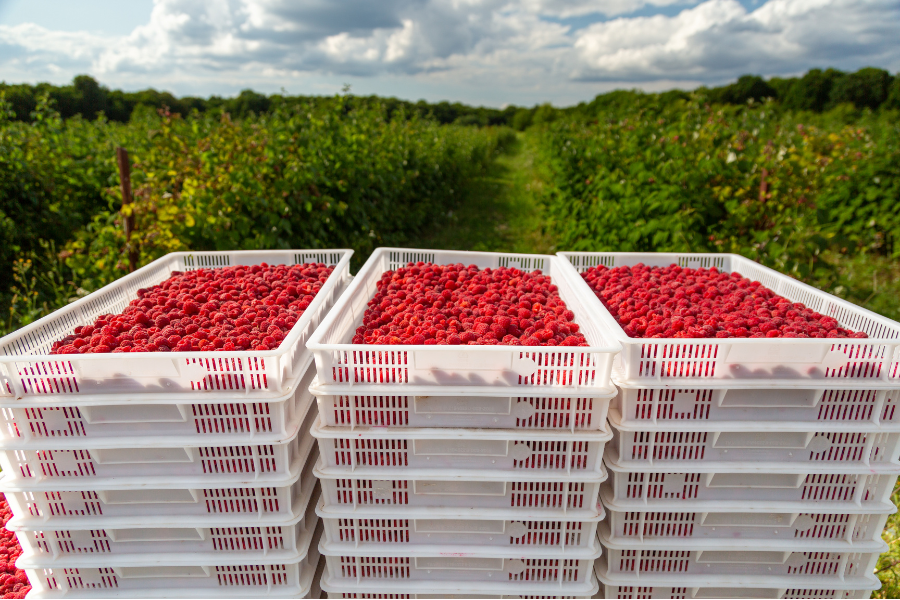
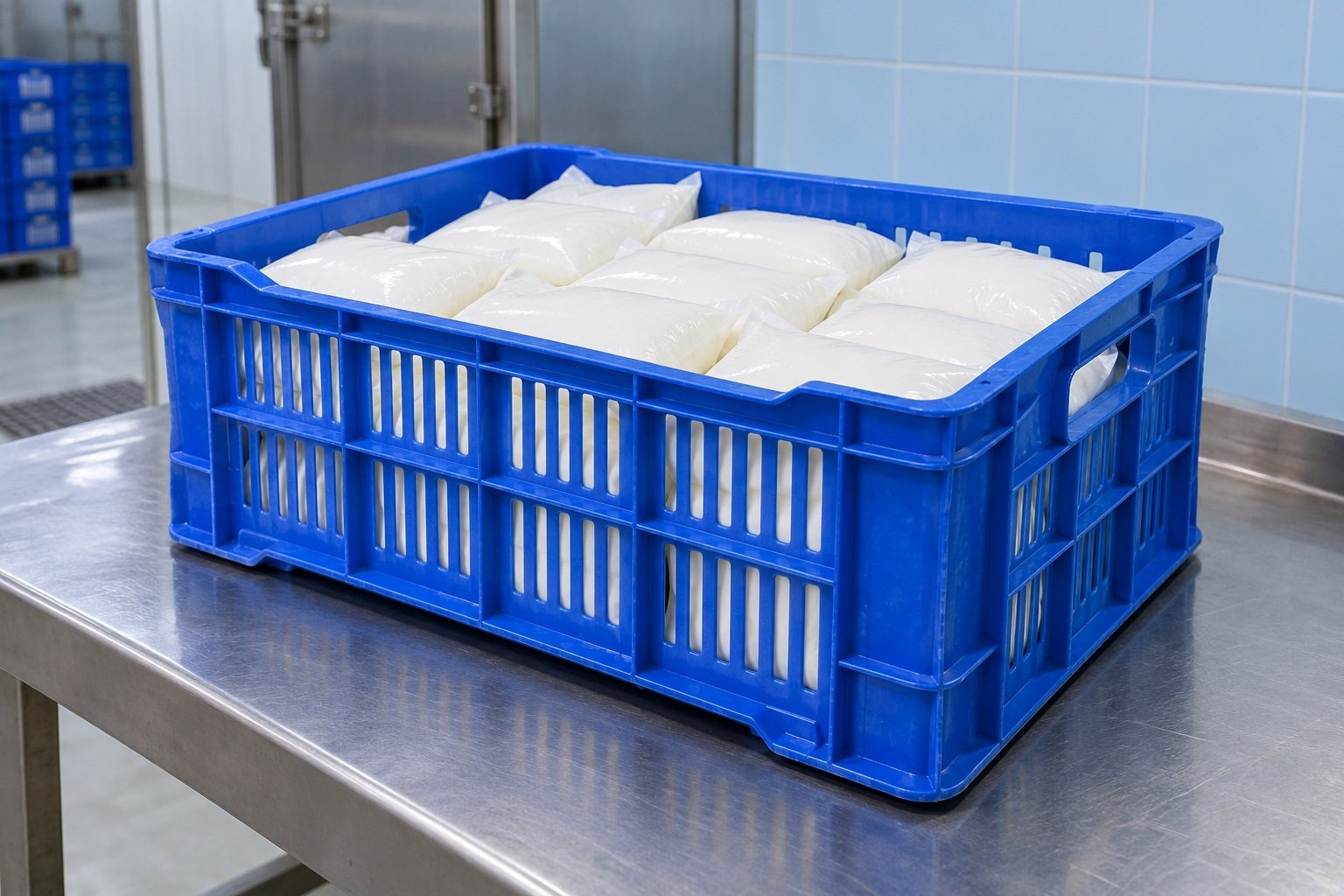
PP and HDPE crates are widely used in agriculture, dairy distribution, beverage handling, industrial storage and returnable logistics. These applications require a controlled balance of impact strength, stacking performance, dimensional stability and resistance to repeated handling. Masterbatch selection must support these requirements without compromising the performance of the base polymer.
Polypropylene is frequently selected for stiffness and dimensional control, while HDPE is commonly chosen for toughness and handling durability. However, finished-crate performance depends on the specific resin grade, melt flow characteristics, crate geometry, processing conditions and service temperature.
For purchase managers and application owners, defining the operating conditions is the first step towards selecting suitable masterbatches for PP and HDPE crates. Key considerations include:
- Loaded crate weight, stacking height and duration under load.
- Drop-impact requirements at the minimum operating temperature.
- Indoor storage, outdoor exposure and washing conditions.
- Virgin resin, regrind or approved recycled-polymer content.
- Colour, opacity, dimensional tolerances and special functional requirements.
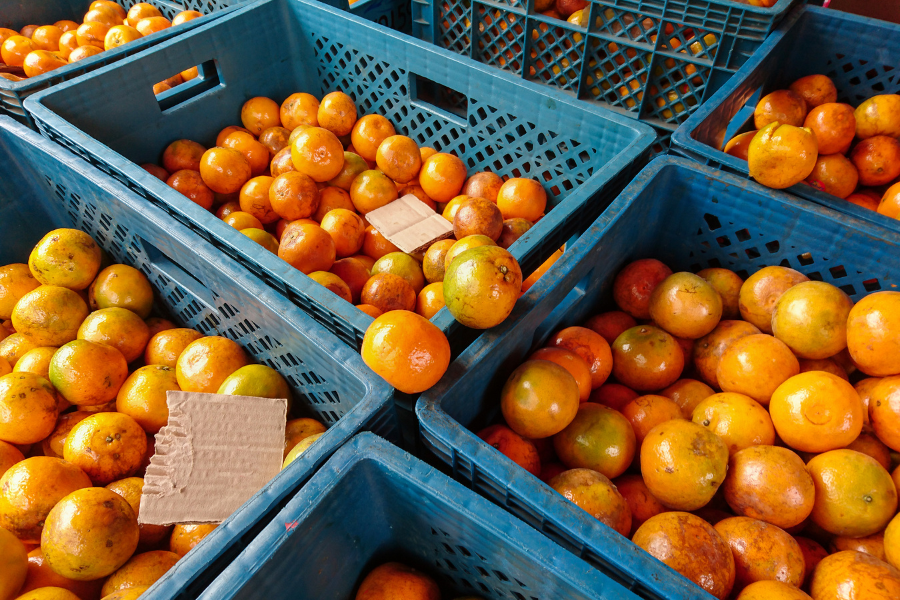
Ventilated harvest crates, solid-wall industrial crates and collapsible logistics crates should be evaluated against their individual performance specifications. A formulation suitable for a rigid stackable crate may require adjustment for folding hinges or cold-chain handling.
2. Colour, White and Black Masterbatches for Consistent Crate Appearance
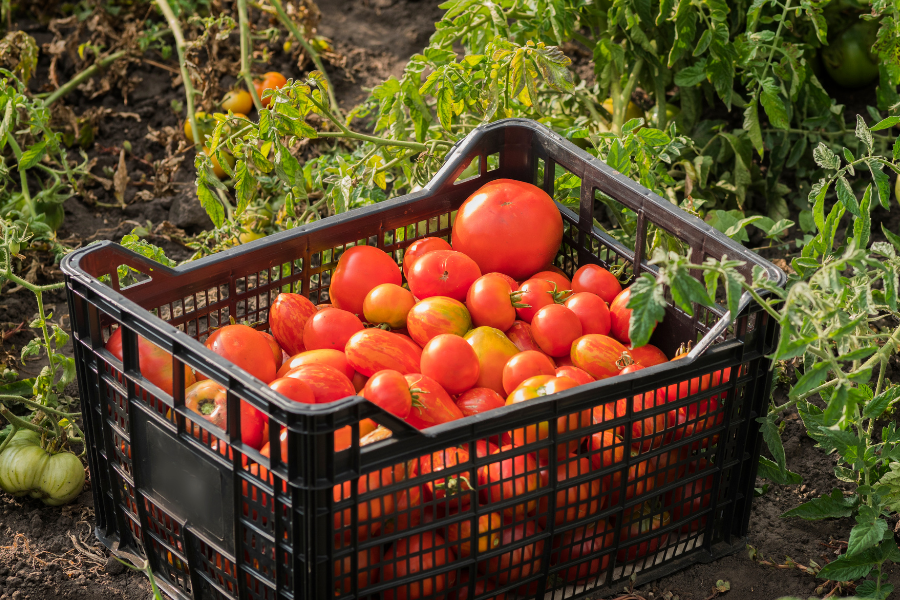
Colour consistency supports brand identification, product segregation and inventory management across reusable packaging systems. For injection-moulded crates, pigment dispersion and carrier compatibility are critical to achieving uniform colour across sidewalls, ribs, handles and reinforced sections.
Colour masterbatches for plastic crates should be selected against the actual production resin, processing temperature and intended exposure conditions. Shade approval should use moulded samples at representative wall thickness, with an agreed colour tolerance and evaluation method. Changes in recycled-resin colour or filler loading can alter the final appearance even when masterbatch dosage remains constant.
TiO₂ white masterbatches provide whiteness and opacity. Selection depends on titanium dioxide concentration, dispersion quality, carrier resin and the background colour of the polymer blend. The TiO₂ concentration in a masterbatch is not the same as its recommended addition rate; final opacity must be established through moulding trials.
Black masterbatches provide black coloration using dispersed carbon black. Where outdoor durability is required, UV protection must be assessed using the specific carbon-black grade, dispersion and final concentration in the crate.
Procurement specifications should therefore consider consistency at the approved dosage, rather than comparing masterbatches solely by pigment concentration or price per kilogram.
3. Functional Additives for Outdoor Exposure, Impact and Special Performance
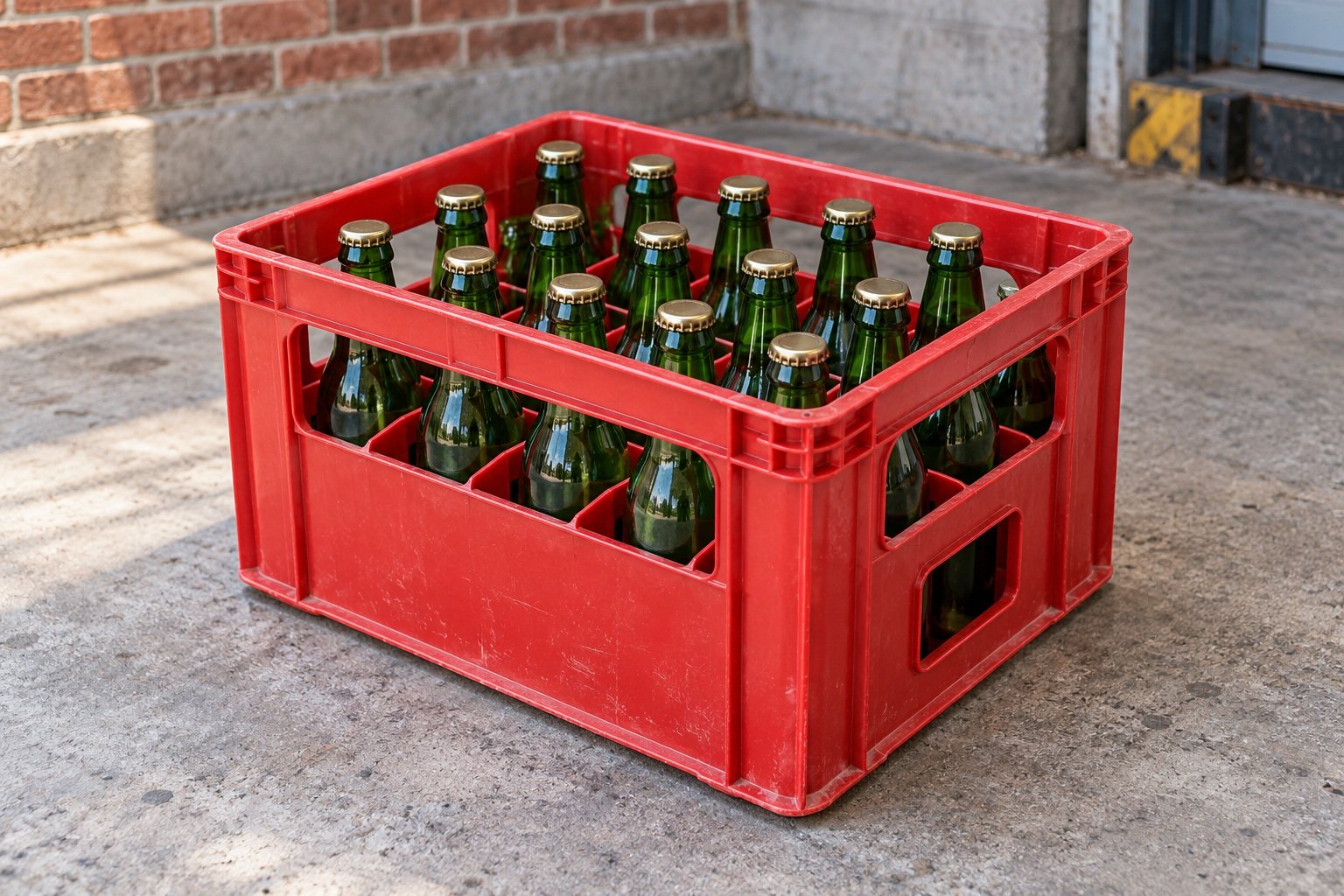
Reusable crates experience different combinations of sunlight, temperature changes, handling impact and repeated processing. Functional additives should address a defined performance requirement within the complete formulation.
UV stabiliser masterbatches help slow sunlight-driven degradation in agricultural, nursery and outdoor logistics crates. Selection must consider exposure location, expected service conditions, pigment chemistry and the required retention of mechanical properties. A UV additive alone does not establish a guaranteed outdoor service life.
Antioxidant masterbatches support resistance to thermal and oxidative degradation during processing and service. They are particularly relevant when reviewing formulations containing reprocessed material. However, stabilisation cannot restore all properties lost through previous degradation or compensate for contamination.
Impact modifiers for PP crates can help improve toughness where handling or low-temperature impact performance is insufficient. Their dosage must be balanced against stiffness, dimensional behaviour and stacking requirements.
Special-purpose formulations may also include:
- Antistatic masterbatches: To reduce static accumulation and dust attraction, with electrical performance verified under specified humidity conditions.
- Antimicrobial masterbatches: For applications requiring validated antimicrobial surface performance.
- Flame-retardant masterbatches: Where a defined fire-performance requirement applies to the finished component.
- PP nucleating agents: To support controlled crystallisation and evaluate opportunities for dimensional consistency or cooling optimisation.
Antistatic performance does not automatically establish ESD suitability, and antimicrobial functionality does not replace cleaning or hygiene controls.
4. Mineral-Filled Masterbatches: Balancing Stiffness, Weight and Cost
Calcium carbonate and talc-filled masterbatches can help adjust the economics and mechanical behaviour of crate formulations. Their suitability depends on mineral characteristics, carrier compatibility, dispersion and final loading.
CaCO₃ filler masterbatches for PP and HDPE crates may support a targeted balance of stiffness, surface properties and material cost. However, increasing mineral content also changes compound density and can influence impact strength, flow behaviour and finished-part weight.
Talc-filled masterbatches for PP crates can support stiffness and dimensional control. The formulation must still meet impact and fatigue requirements, particularly around handles, corners, snap-fit features and folding sections.
For procurement teams, the useful comparison is material cost per acceptable crate, rather than compound price per kilogram alone. Evaluation should include:
- Actual moulded-part weight.
- Drop-impact and stacking performance.
- Dimensional consistency and component fit.
- Rejection rate and production stability.
- Durability under repeated handling.
A lower-cost formulation provides commercial value only when finished crates continue to satisfy the application specification.
5. Injection Moulding Control and Finished-Crate Validation
Reliable crate production requires consistent dosing, adequate melt homogenisation and controlled filling, packing and cooling. Masterbatch compatibility should be verified within the processing window of the selected PP or HDPE resin.
Controlled feeding helps maintain stable colour and additive concentration. Raw materials should remain clean, and handling or drying should follow supplier recommendations. Variation in regrind content, contamination or inconsistent blending can affect both appearance and mechanical performance.
During injection moulding, the filling profile must accommodate long flow paths, thin walls, ribs and reinforced sections. Packing and cooling conditions influence shrinkage, warpage and the dimensional accuracy needed for stacking, nesting and lid fit.
Production approval should include application-relevant checks:
- Colour uniformity, opacity and surface defects.
- Crate weight, dimensions and warpage.
- Drop impact at the specified temperature.
- Stacking performance and deformation under sustained load.
- Handle integrity, hinge fatigue and assembly fit.
- Weathering or electrical testing where required.
Performance should be verified on finished crates. Material test specimens alone do not capture the influence of geometry, weld lines and moulding conditions.
6. Selecting Bajaj Masterbatches for PP and HDPE Crate Manufacturing
Bajaj’s masterbatch solutions for PP and HDPE crates include colour, white, black, UV stabiliser, antioxidant, mineral-filled and application-specific additive options. Selection begins with the base polymer and the required finished-crate performance.
For a technically meaningful grade recommendation, buyers should provide the resin grade, recycled content, crate dimensions and weight, colour reference, masterbatch dosage currently used, processing conditions and service environment. Load, drop-impact, weathering and special-performance requirements should be defined wherever applicable.
Purchase qualification should cover the current technical data sheet, carrier compatibility, recommended addition rate, agreed quality parameters and supporting documentation. For food-contact applications, suitability must be confirmed for the exact grade, dosage and intended contact conditions; finished-article evaluation may also be required.
A structured production trial allows purchase managers, processors and application owners to compare colour consistency, moulding behaviour, mechanical performance and cost per crate on the same basis.
Explore Bajaj Masterbatches for PP and HDPE crates to develop a formulation matched to your resin, manufacturing process and application requirements.