
Plast Fab.
Engineered into every fiber.
A precision-dispersed CaCO₃ & virgin polypropylene filler system, purpose-built to run cleaner, spin finer, and cost less — across spunbond, meltblown and SMS nonwoven lines.
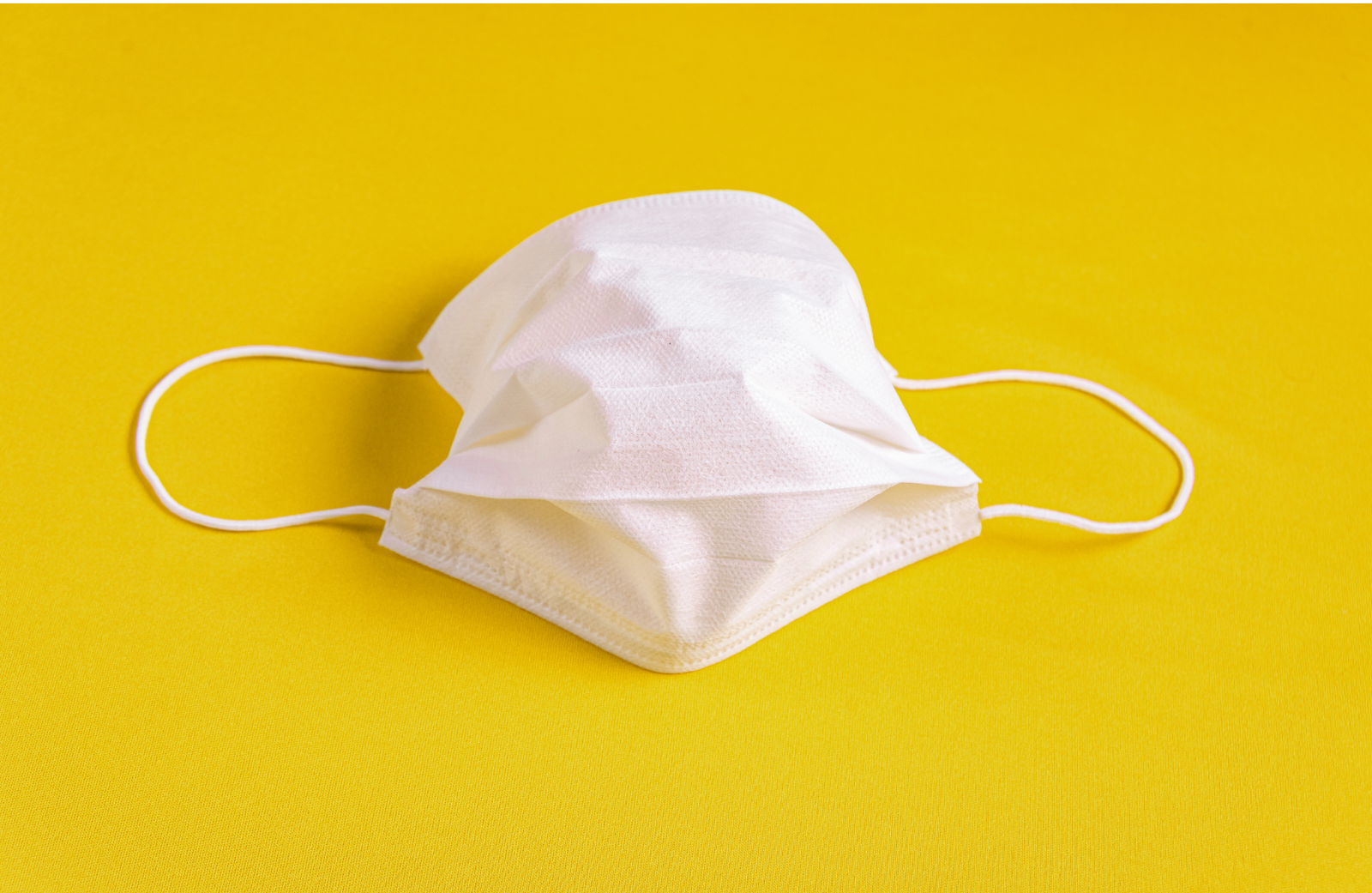
A filler masterbatch, formulated at fiber level.
Plast Fab is a PP-base filler masterbatch built from ultra-fine particle-size Calcium Carbonate (CaCO₃), compounded with virgin polypropylene and performance additives in ratios tuned to the end application. Every feedstock is sourced from globally consistent suppliers, so particle morphology, whiteness and moisture behavior stay within tight tolerance batch after batch.
In nonwoven manufacturing, Plast Fab is metered directly into the PP resin stream ahead of melt-spinning — functioning simultaneously as a cost-reducing filler and a fiber-property modifier.
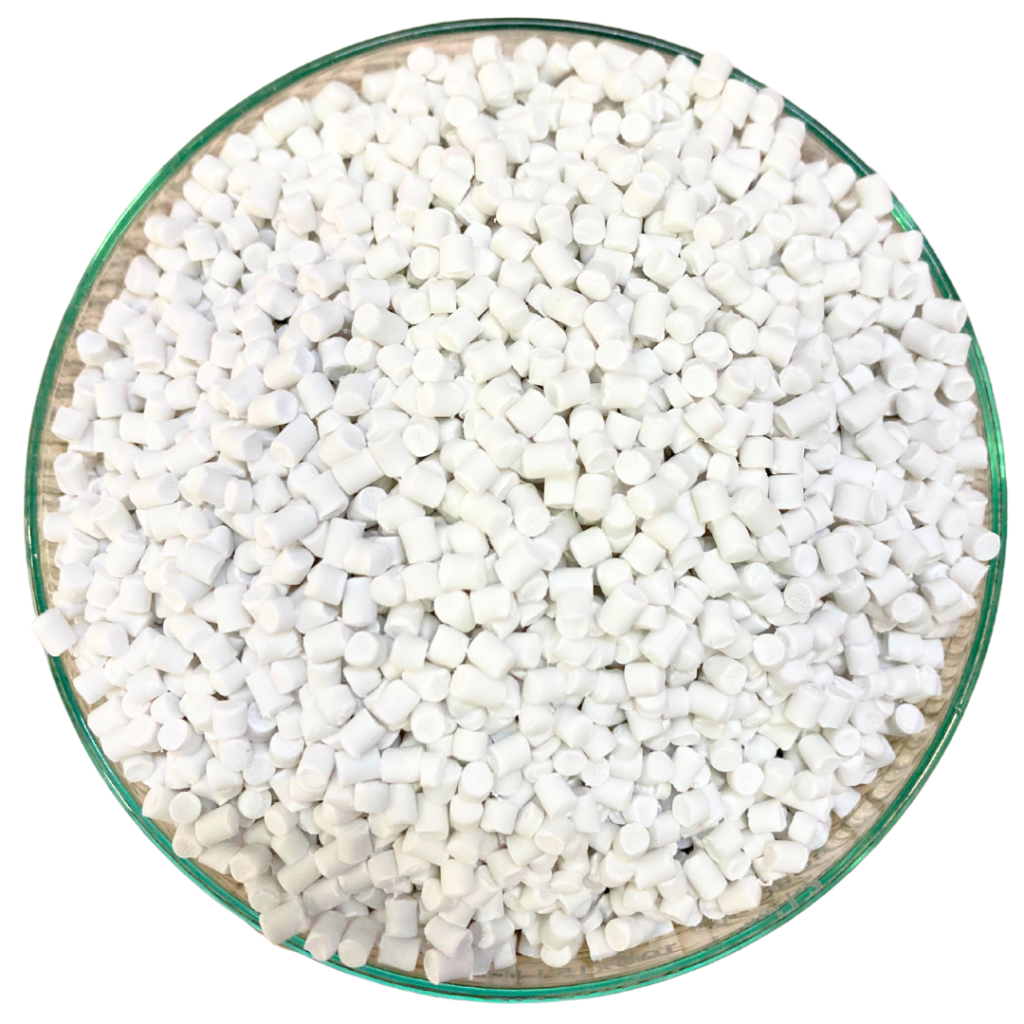
Three engineering advantages, one pellet.
Dispersion quality, mechanical synergy and thermal economics compound together to change the unit economics of nonwoven production.
State-of-the-art compounding
Produced on sophisticated compounding lines under full R&D and QA oversight — moisture-free, contamination-free, with uniform particle-size distribution, excellent dispersion, strong resin bonding and low coefficient of friction that minimizes screw and barrel wear.
High-purity CaCO₃ synergy
Sourced for high melting point, hardness and brightness, our CaCO₃ works synergistically with PP during processing — lifting hardness, stiffness, tensile strength and elongation in the finished fiber.
Lower specific heat, lower energy
CaCO₃ carries a lower specific heat than polyolefins, so less thermal energy is required to bring the resin-filler blend to processing temperature — a direct reduction in extrusion coating and lamination energy cost.
More volume, same resin
CaCO₃'s specific gravity of 2.7 g/cm³ against PP's 0.90 g/cm³ means one gram of filler occupies roughly a third the volume of one gram of polymer — a direct lever on volumetric throughput.
Built for melt-electrospinning
In melt electro-spinning of PP, filler loading up to 60% increases average fiber diameter and facilitates fiber entanglement — producing a stable web/sheet structure with predictable flow characteristics.
Softness and opacity, tuned
CaCO₃ modification softens the fiber and delivers a matte, cotton-like surface feel, while enhancing opacity, limiting yellowing, and improving the covering power of the finished web.
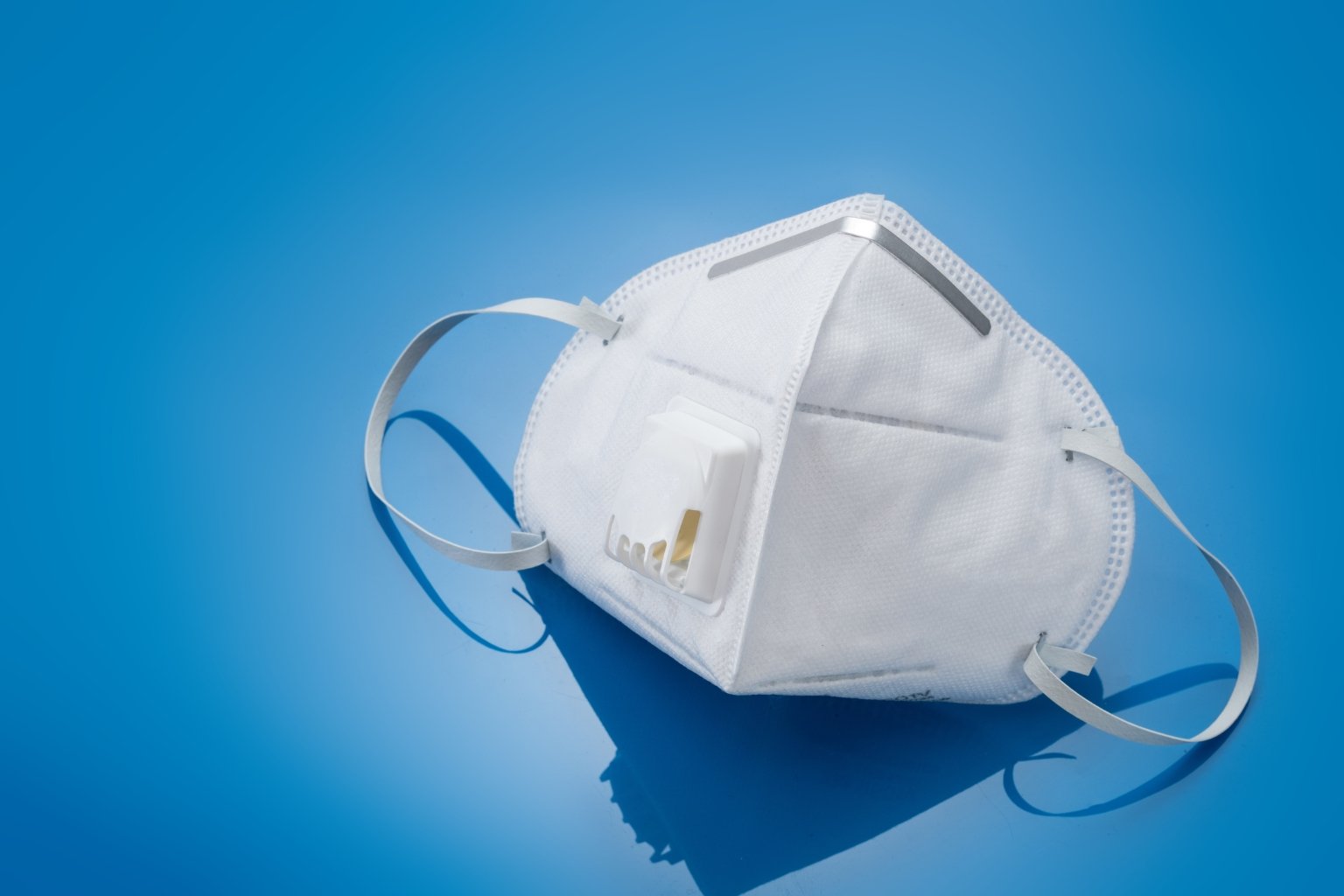
Insulated from petroleum price cycles.
Almost all commodity plastics trace back to petroleum feedstock — their prices climb whenever oil and gas supply tightens. Bajaj fillers run on a different economics curve: mineral feedstock available year-round, with prices that move at a fraction of resin volatility.
The same base resins are open to every converter in the market. What separates a competitive formulation from an average one is the filler system built around it — engineered to outperform on cost, output and finished-fabric quality simultaneously.
Three decades of compounding discipline.
An ISO 9001:2015 certified manufacturer, built on consistent raw-material sourcing, in-house R&D and application-specific formulation — not a generic filler sold off the shelf.

Improves Strength

Better Printability

Improves Stiffness

Enhances Processability
What's engineered into every batch.
Ultra-fine particle size
Tight CaCO₃ particle-size distribution enables uniform dispersion through the melt-spinning process without clogging spinnerets.
Virgin PP carrier resin
Formulated with virgin polypropylene — not reprocessed material — for predictable melt flow and consistent fiber drawability.
Application-tuned loading
Filler ratio customized between 30–60% depending on target fabric weight, hand-feel and mechanical specification.
Low coefficient of friction
Reduces wear on screw and barrel components, extending equipment life and reducing unplanned maintenance downtime.
Non-toxic & food-grade
Formulated to be non-toxic, eco-friendly and food-grade compliant, suitable for hygiene and medical-adjacent fabric use.
Moisture & contamination-free
Produced under full QA oversight to eliminate moisture pickup and particulate contamination before it reaches your line.
Benefits that show up on the balance sheet.

Heat Stability

Light Fastness

UV Stability

Environmental Stability

Food Contact Application

Increases Output
Why the fiber industry standardizes on it.
Filler-loaded fiber isn't a compromise on quality — it's how nonwoven producers hold a target basis weight, opacity and hand-feel while cutting resin consumption. Plast Fab enhances volumetric output and reduces final product cost without compromising the quality parameters essential to the end application.
It improves adhesion, heat-seal strength and printability in extrusion coating and lamination, driven by the micro-surface roughness CaCO₃ introduces at the fiber surface — properties that directly affect downstream converting yield.
And because it disperses cleanly and incorporates easily during extrusion, it acts as a reliable partial substitute for virgin polymer resin — usage typically ranging 30–60% depending on the customer's specification.
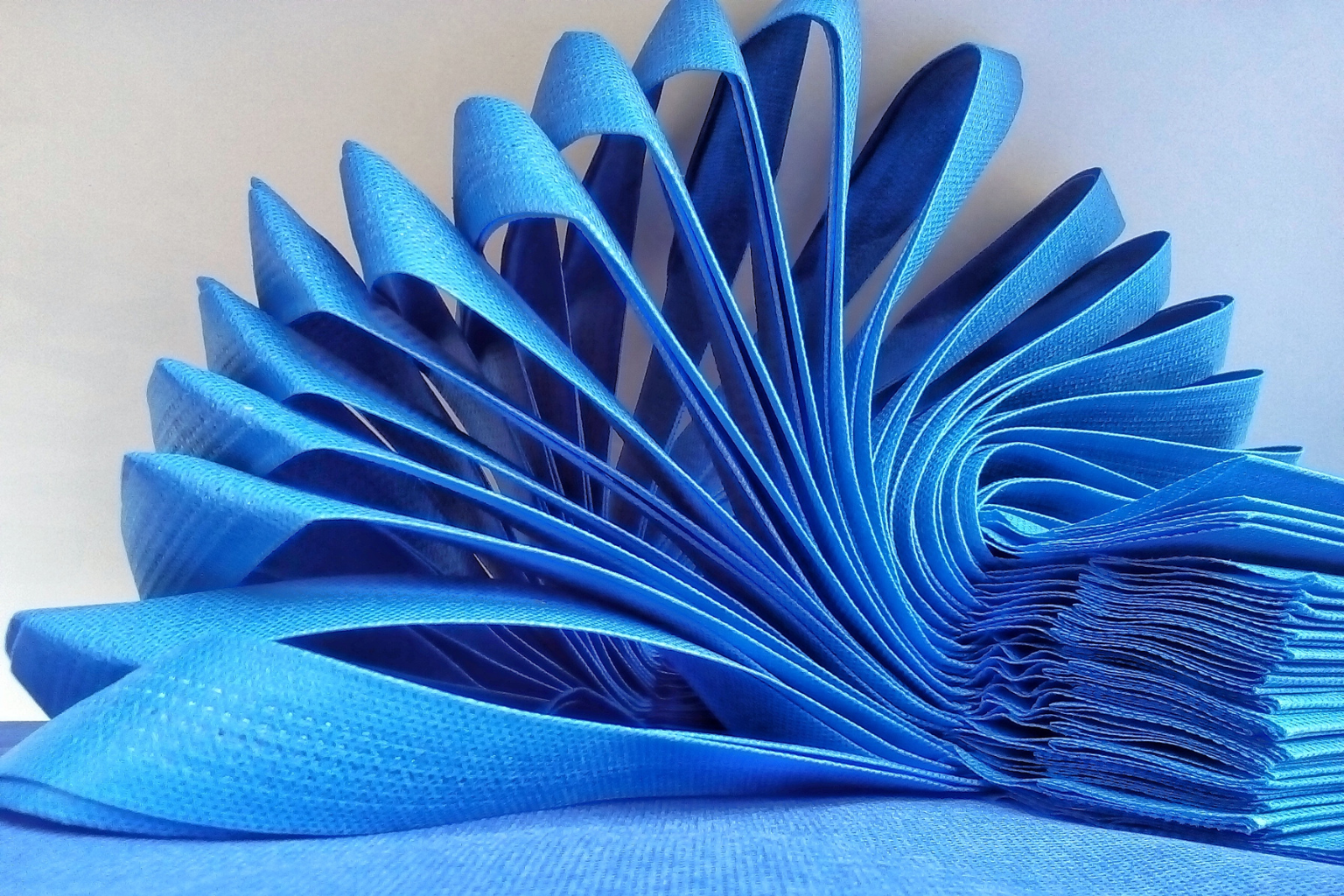
From mineral to melt-ready pellet.
A controlled, RnD-backed compounding sequence — every stage engineered to protect dispersion quality downstream.
Feedstock sourcing
High-purity, high-melting-point CaCO₃ imported from globally consistent sources, selected for hardness, brightness and low moisture content.
Micronization
Mineral is ground to ultra-fine, tightly-distributed particle size — the foundation for clean dispersion through fine spinneret orifices.
Compounding with virgin PP
CaCO₃ is melt-compounded with virgin polypropylene and a performance-additive package on precision extrusion equipment.
QA & pelletizing
Batches pass through full R&D and Quality Assurance checks for moisture, contamination and dispersion before pelletizing and dispatch.
Every nonwoven fabric application.
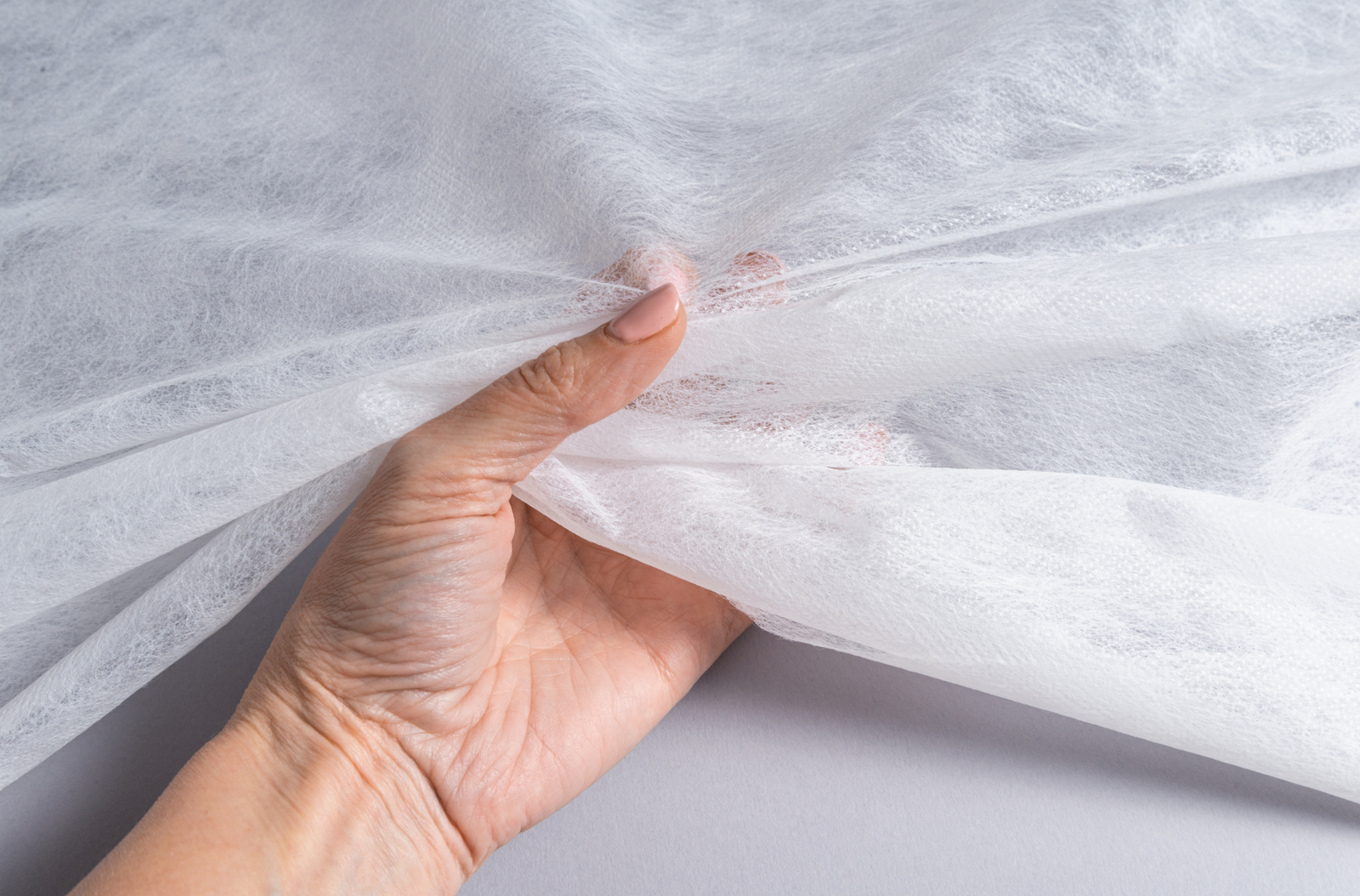
Bajaj masterbatches blend seamlessly with polypropylene — the primary polymer in nonwoven production — enabling smooth processing, minimal fiber breakage and flawless fabric formation across spunbond, meltblown and SMS lines.
UV-Treated Nonwoven Fabric
UV-stabilized nonwoven is used predominantly in agricultural crop protection — low-tunnel crop covers and fruit covers — where prolonged sunlight exposure demands resistance to photo-degradation.


Hydrophobic Nonwoven Fabric
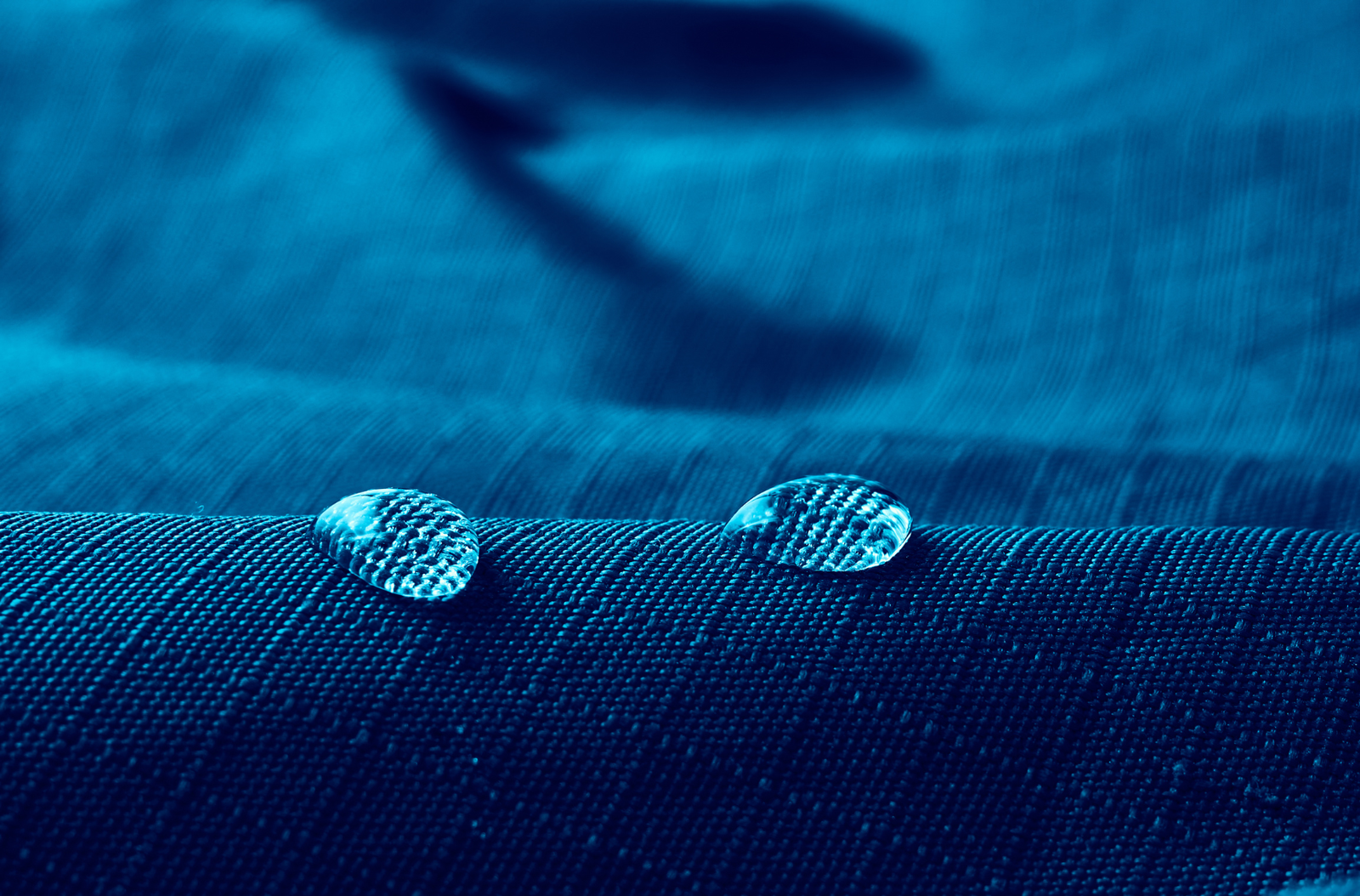
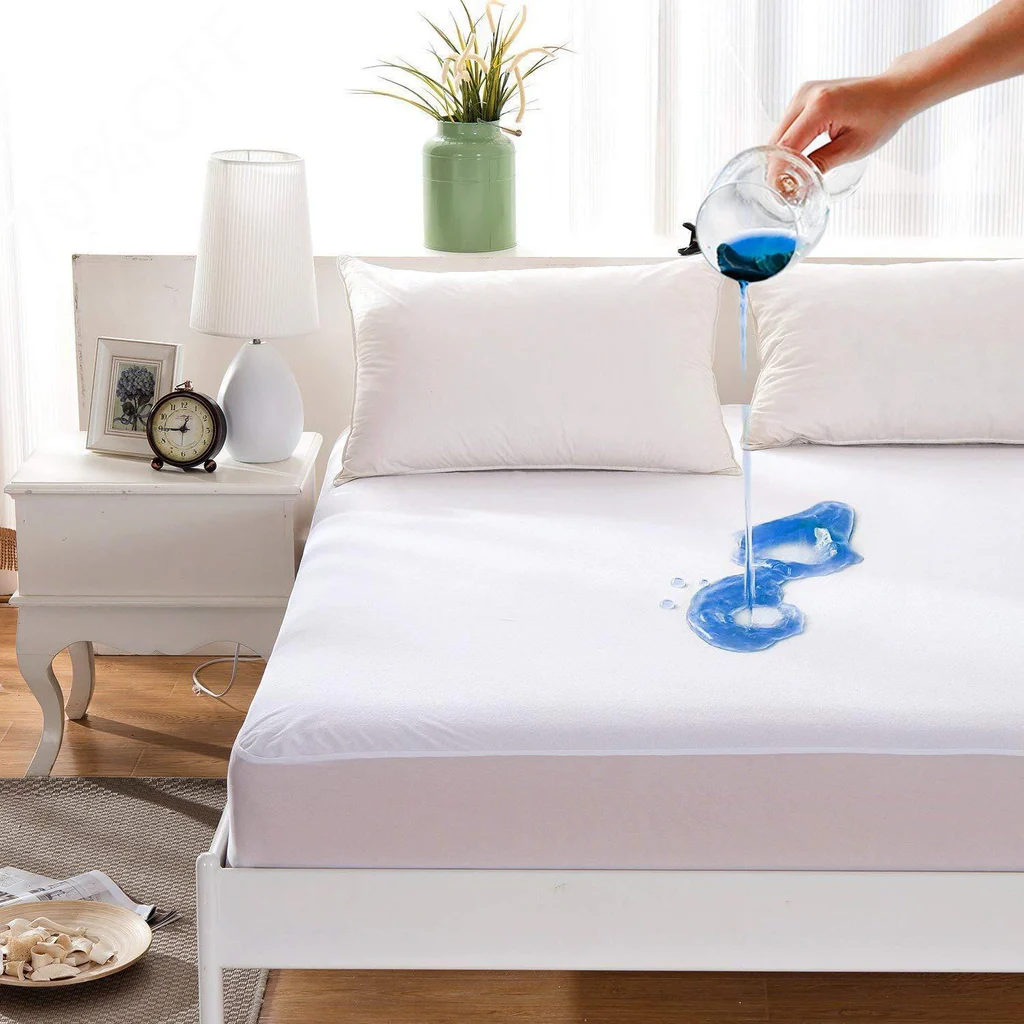
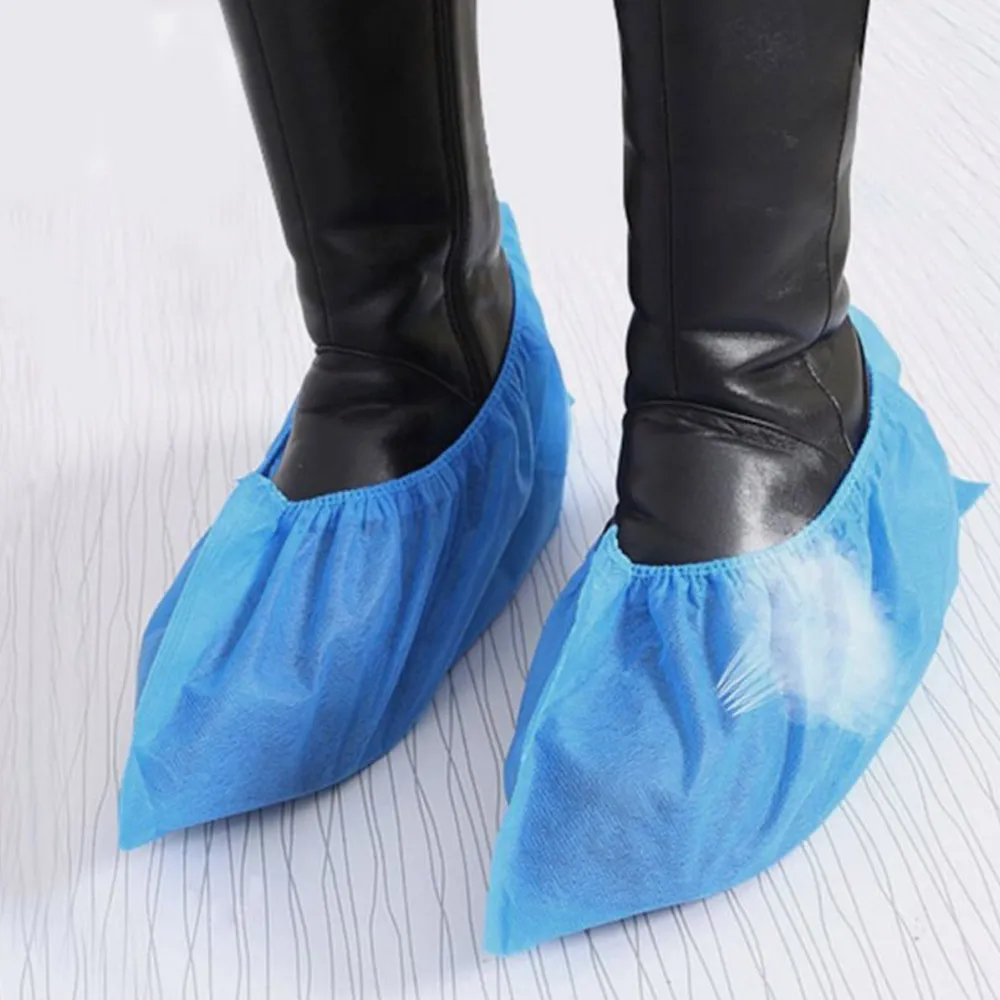
Hydrophobic-treated fabric is engineered for clothes packaging covers, mattress covers, disposable bedsheets, surgical caps, masks, rice bags and shoe covers — anywhere liquid repellency at the fiber surface matters.

Hydrophilic Nonwoven Fabric
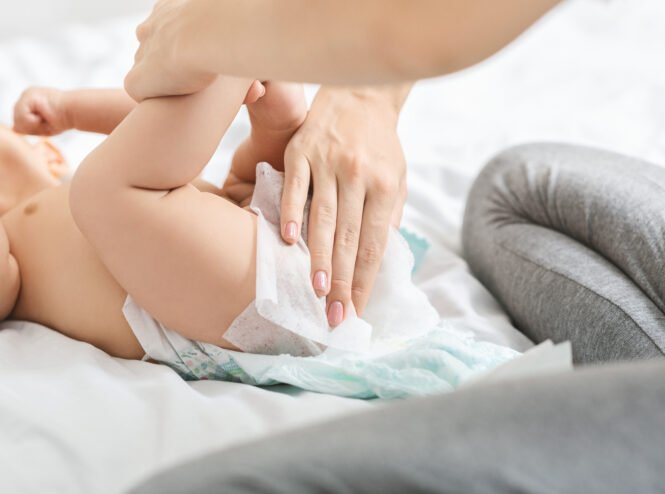
Customized to raise liquid-absorption values, hydrophilic nonwoven is central to diaper and sanitary-pad construction, where controlled fluid uptake across the fabric web is a core performance metric.


Antistatic Nonwoven Fabric
Antistatic masterbatch protects nonwoven fabric from static discharge — critical for medical disposable bedsheets, surgical caps, masks, and shoe covers used in controlled environments.



FR-Treated Nonwoven Fabric
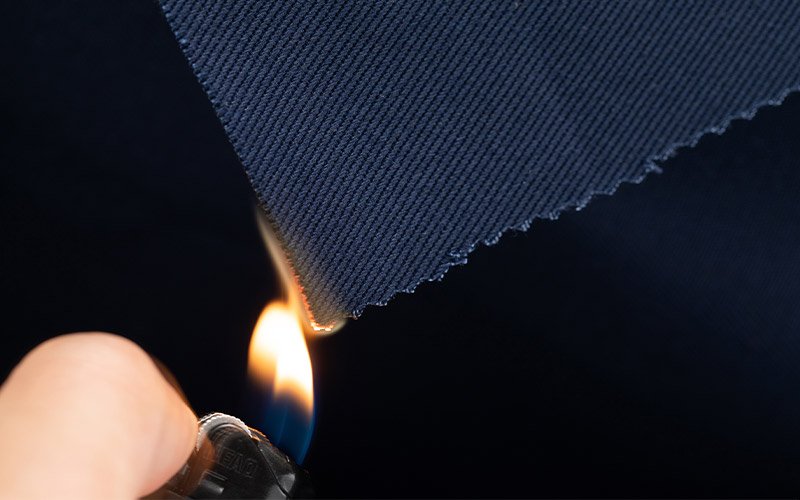
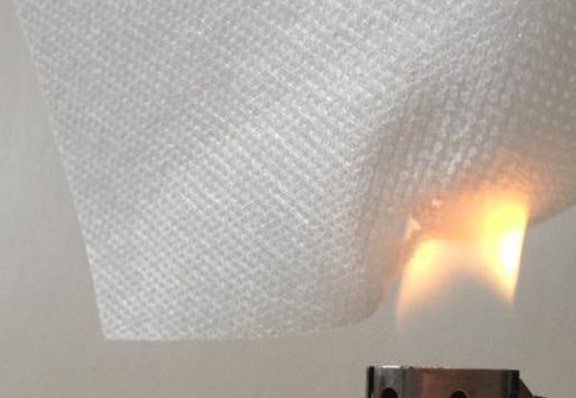
Flame-retardant masterbatch protects nonwoven fabric from fire hazards — used in high-risk zones such as aircraft headrest covers and tissue-grade nonwoven where fire safety is a compliance requirement.


One filler system. Four industries.
Healthcare
Agriculture
Protection
Hygiene
Measured in compliance, cost, and touch.
Environmental Compliance
Non-toxic, eco-friendly, food-grade compliant formulation suitable for hygiene, medical and food-adjacent nonwoven applications.
Cost Efficiency
Mineral filler substitutes a portion of virgin polymer resin, directly reducing raw-material spend without sacrificing fabric integrity.
Softness & Touch Modifiers
Fiber-level modification delivers a softer, more matte, cotton-like surface feel across the finished nonwoven web.
Formulated for the fiber.
Priced for the process.
A single PP-base filler system, calibrated across dispersion, mechanics and cost — built to run on every nonwoven line it touches.
UV StableHeat StableFood GradeEco-Friendly BAJAJ PLAST PVT LTD