
Bajaj Antimicrobial Masterbatch
Protection within.
Possibilities beyond.
Silver-ion technology for plastic surfaces. Integrated into your polymer. Designed around your application.

Meet Plast Antimicrobial
A small addition.
A functional difference.
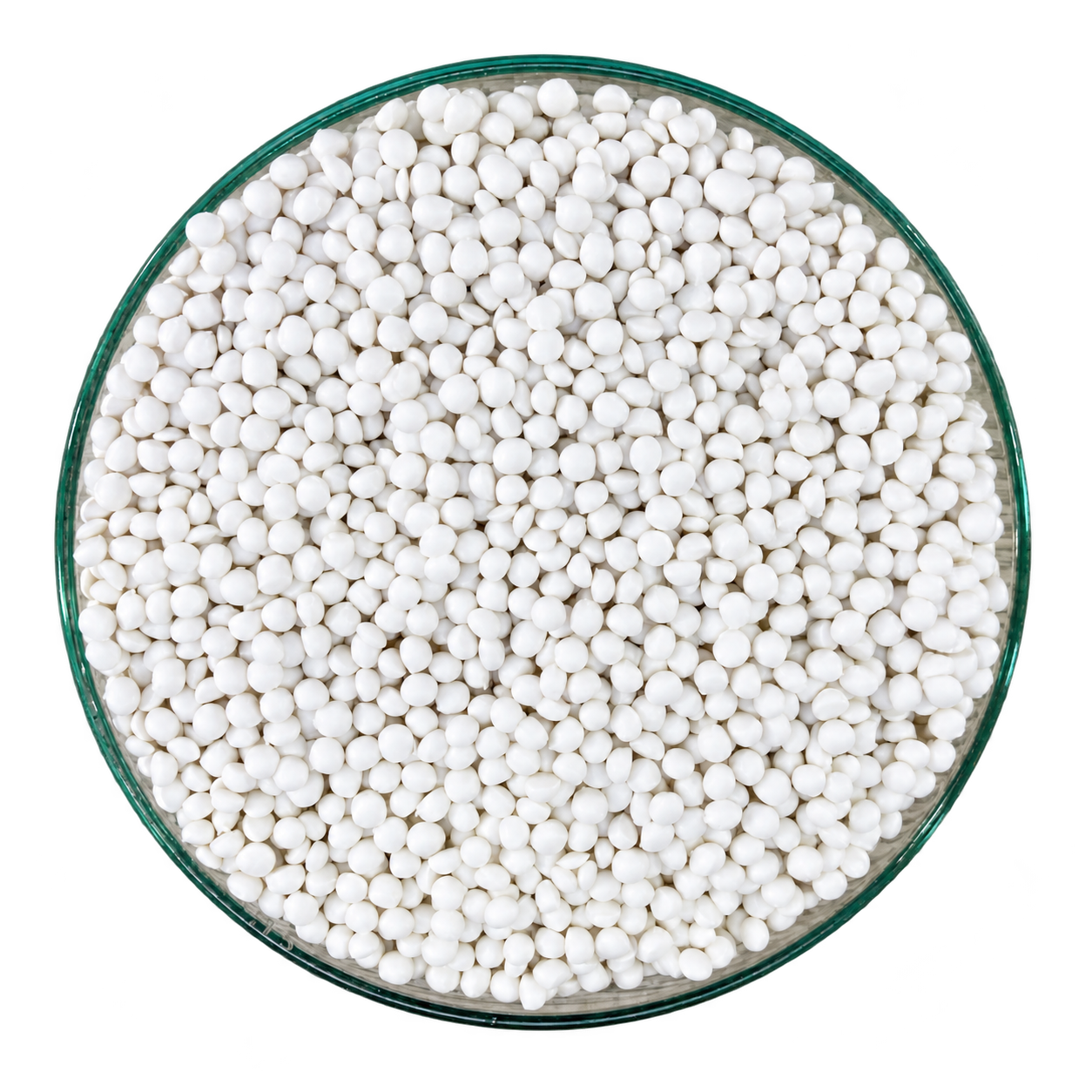
Bajaj Antimicrobial Masterbatch introduces a concentrated antimicrobial additive through a compatible polymer carrier. Pelletised delivery supports controlled dosing and dispersion during plastic conversion.
The silver-ion system is intended to inhibit microbial growth on the treated plastic surface and help limit microbial odour, staining and deterioration. Select the formulation for the resin, process and end-use conditions.
Applications
Made for products
people use every day.
From household articles to specialised components, match antimicrobial performance to the material and the way the product is used.

Kitchen & food-contact articles
Cutting boards, kitchen utensils and household surfaces. Qualify the selected grade for the intended food-contact conditions.

Oral-care products
Toothbrush handles and other moulded personal-care components. Assess colour, surface finish and contact requirements.
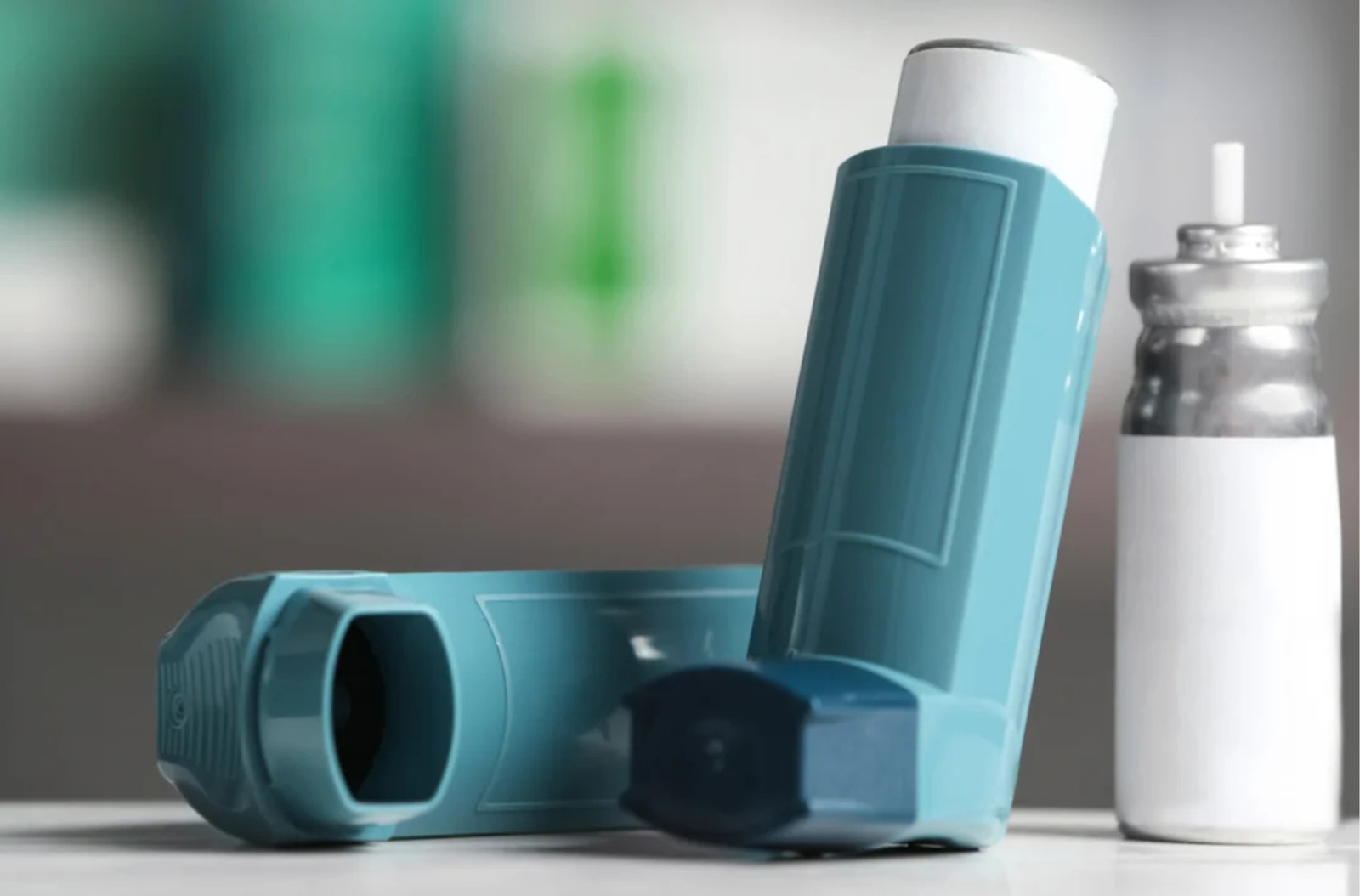
Healthcare components
Inhaler housings and medical-device plastics. Validate the finished component against its intended use and cleaning regime.

Refrigerators & appliances
Interior plastic parts and frequently handled appliance surfaces, where microbial staining and odour can affect product appeal.

Toys & play products
Moulded toys and play components. Select the formulation alongside the applicable toy-safety and exposure requirements.
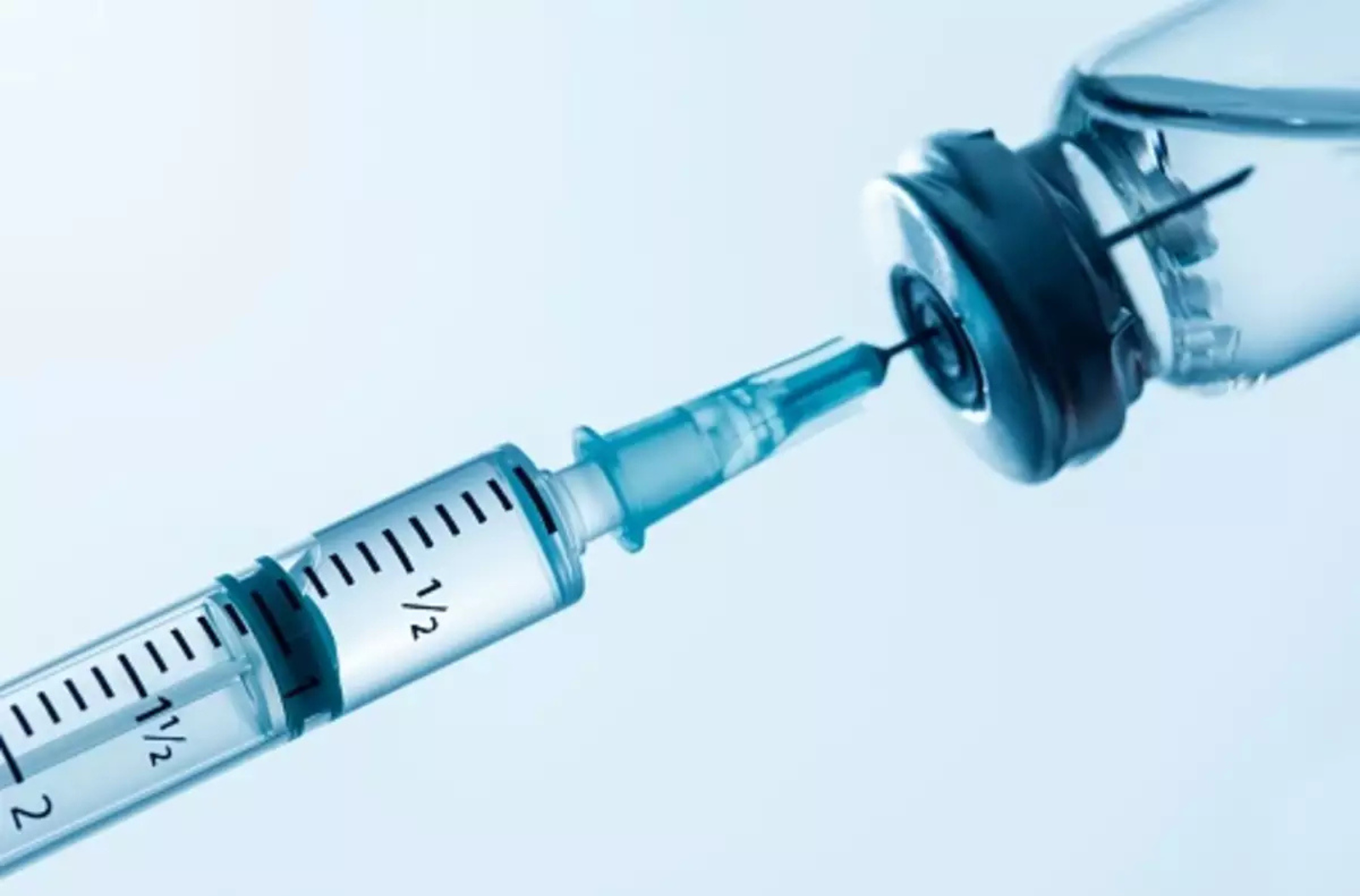
Medical disposables
Selected syringe and disposable-device plastic components. Antimicrobial additives do not replace sterilisation or device validation.

Water tanks & containers
Rotationally moulded tanks and blow-moulded containers. Check drinking-water suitability separately where required.
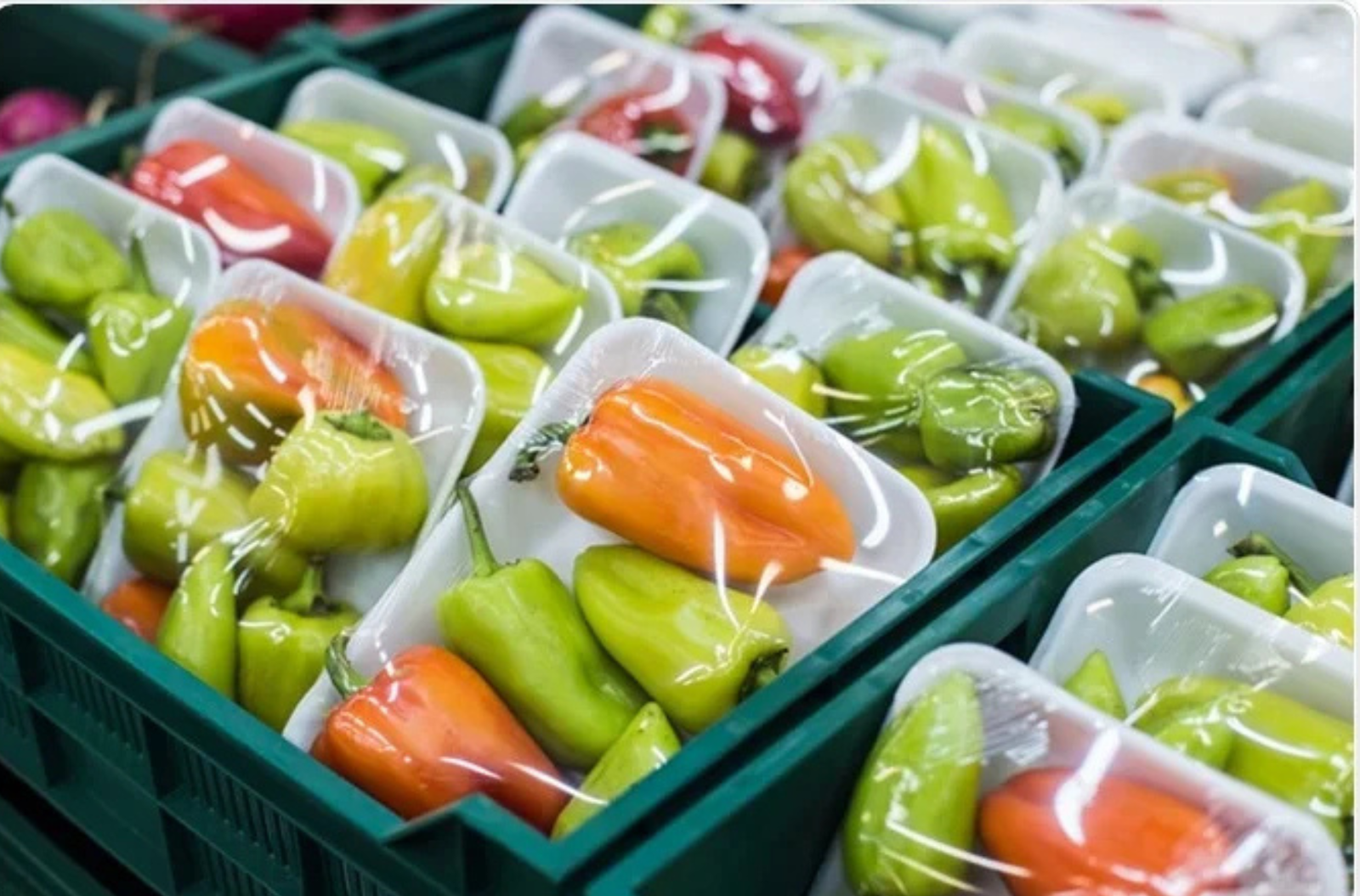
Packaging & produce handling
Plastic packaging, food trays and produce-handling articles. Validate migration, food contact and actual surface performance.
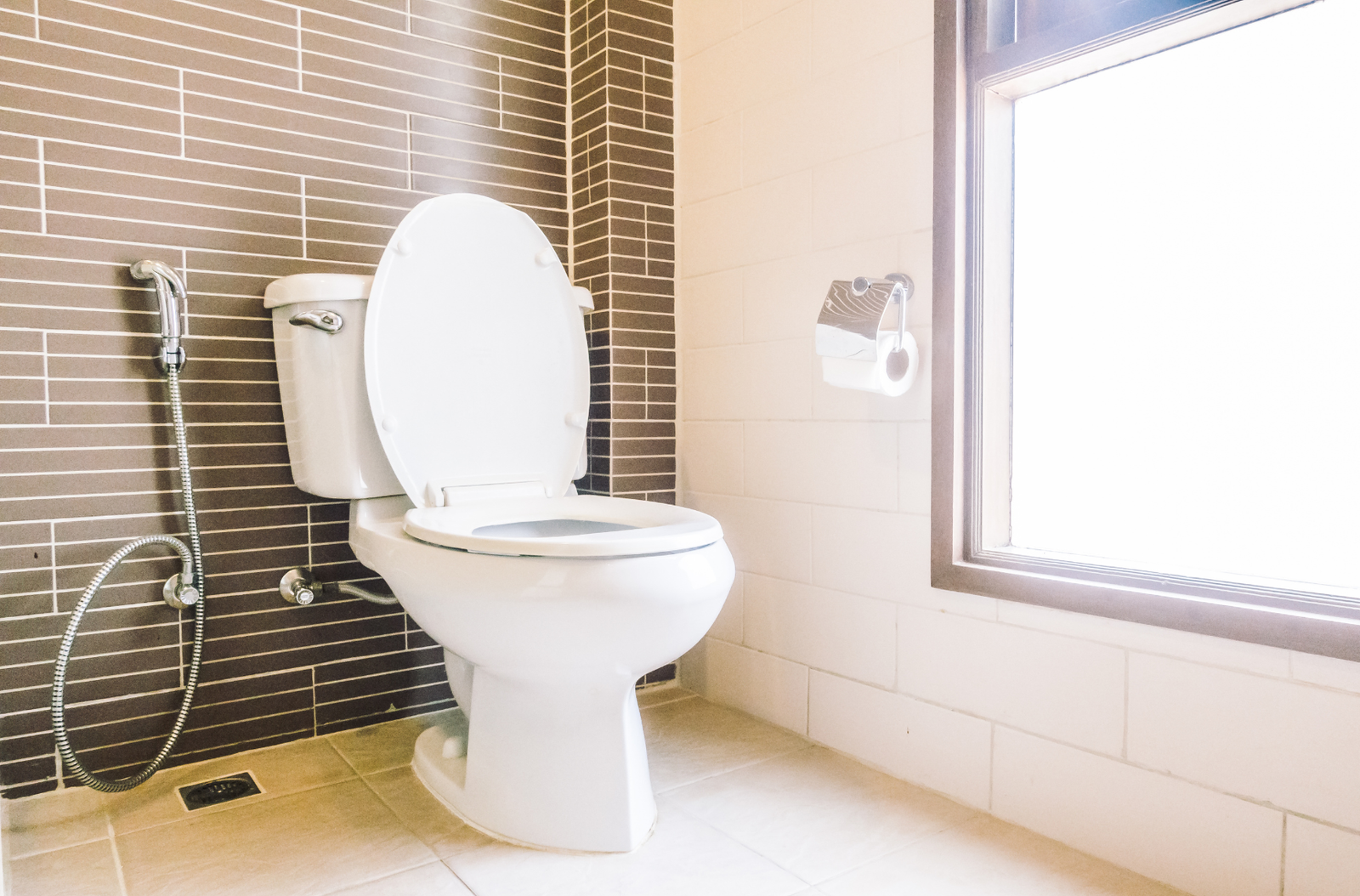
Sanitary & bathroom plastics
Toilet seats and bathroom fittings exposed to moisture and repeated cleaning. Confirm resistance to the intended cleaning chemicals.
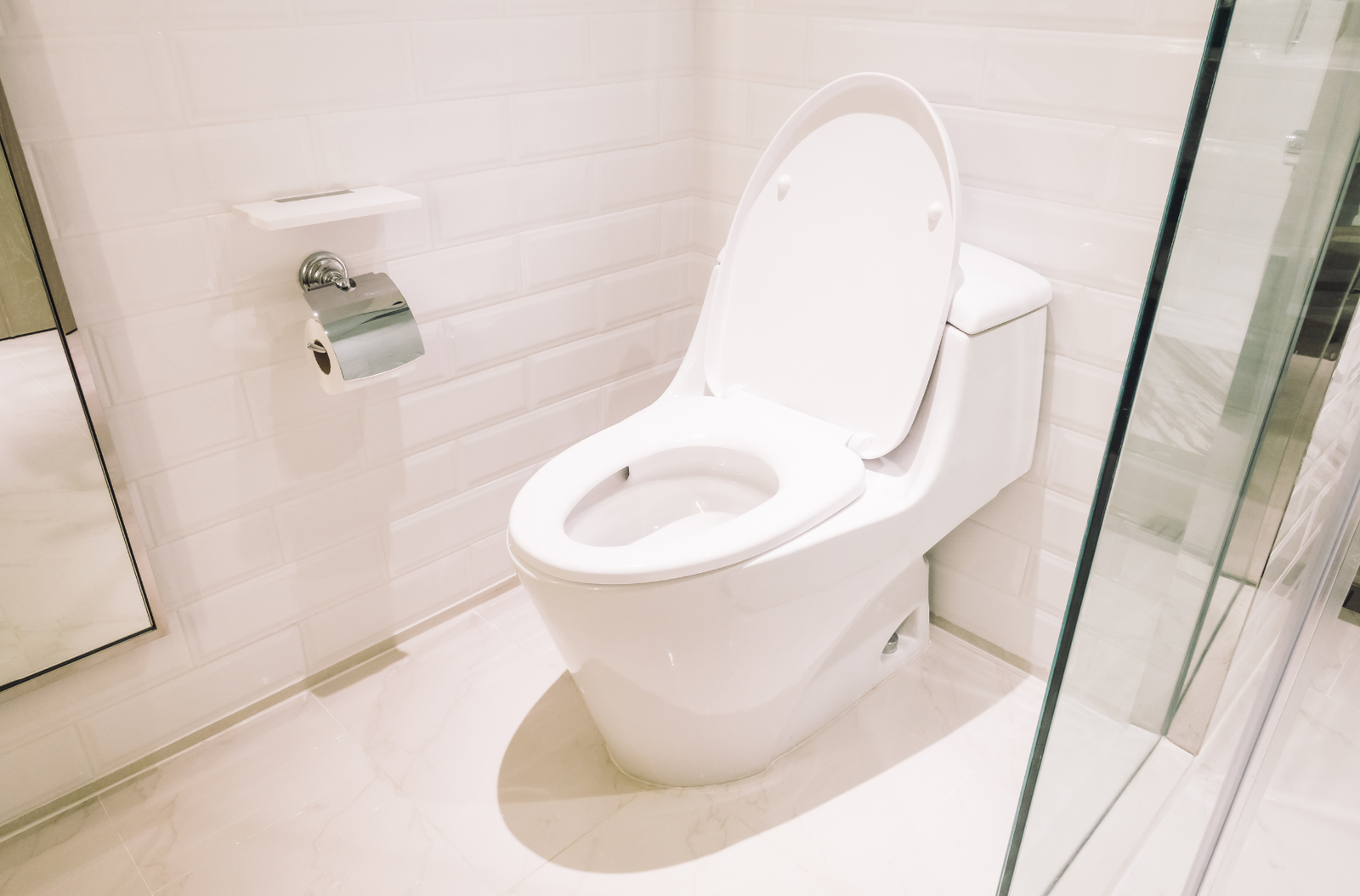
Retail & hospitality
Bins, baby-changing tables and toilet door handles. Specify the surface, wear conditions and hygiene protocol.

Healthcare environments
Plastic equipment components and touch surfaces in clinical settings. Match the grade to the substrate and disinfection process.

Medical equipment housings
Protect the treated plastic surface in suitable equipment applications; qualify performance after cleaning and ageing.

Electronics & frequent-touch products
Small surfaces.
Frequent interaction.
Phone cases, electronic-device housings and keypads are also identified in Bajaj’s application range. Evaluate the actual contact surface, abrasion resistance and colour stability before specifying the grade.
Application examples are opportunities for grade selection, not blanket approvals. Medical, drinking-water, food-contact and toy applications require the relevant product-specific documentation and finished-article validation.
Key features & application benefits
More value.
Built into the material.
Surface growth control
Helps inhibit susceptible microorganisms on treated plastic surfaces. Verify the organisms, contact time and test conditions relevant to the product.
Reduced microbial odour
Helps address odours associated with microbial growth on the article; it is not a general deodoriser for resin or recycled feedstock.
Appearance retention
Can help reduce microbially induced staining and deterioration, supporting the visual quality of suitable plastic products.
Integrated functionality
The additive is incorporated during conversion, providing an alternative to a separately applied antimicrobial surface treatment.
Colour flexibility
Choose a stand-alone additive or discuss combined colour and antimicrobial formulations. Check shade and optical properties in the final resin.
Production practicality
Pelletised concentrates support metering and blending. Set dosing, melt temperature and residence time to the selected grade’s recommendations.

Antimicrobial solutions for food-contact plastics
Food-contact applications.
Built-in surface protection.
Bajaj Antimicrobial Masterbatch helps inhibit microbial growth on treated plastic surfaces in suitable food packaging, containers and kitchenware. Select a grade with documentation for the intended food-contact use, and validate migration, processing compatibility and antimicrobial performance in the finished article.
Enquire about food-contact grades ↗PROTECTED VS UNPROTECTED
SURFACE TIMELAPSE
Surface comparison from Bajaj’s antimicrobial demonstration. Actual performance depends on the grade and test conditions.
How it works
Dispersed inside.
Active at the surface.
The additive is distributed through the polymer during processing. Antimicrobial action depends on the active chemistry being available at the exposed surface under suitable conditions.
Disperse
Meter the selected concentrate into the resin. Melt mixing distributes the antimicrobial additive through the moulding or extrusion.
Surface interaction
Under suitable moisture conditions, available silver ions can interact with susceptible microorganisms contacting the treated surface.
Inhibit growth
Silver ions can disrupt microbial cellular functions. The measured response depends on formulation, organism, exposure time and environment.
| Application | What matters in use | What to validate |
|---|---|---|
| Household & appliances | Touch, moisture and routine cleaning | Surface activity after cleaning; colour and finish |
| Films & packaging | Thin sections, layer location and contact conditions | Activity on the exposed layer; optics, sealing and migration |
| Tanks & containers | Wall thickness, processing cycle and liquid exposure | Dispersion, ageing and end-use suitability |
| Healthcare & electronics | Disinfectants, abrasion and frequent handling | Finished-part performance and sector-specific requirements |
Antimicrobial treatment protects the treated material; it does not sterilise the article, replace cleaning or establish protection against infection. Bacterial, fungal and viral claims must each be supported by appropriate grade-specific evidence.
How Bajaj antimicrobial masterbatch is made
From formulation.
To functional pellets.
A controlled compounding workflow connects carrier selection, additive dispersion and quality checks.
Select the carrier
Choose a carrier compatible with the base polymer and its processing window. PE, PP and PVC systems require suitable, separately selected formulations.
Blend the formulation
Combine the antimicrobial system with the carrier and any specified colour or additive package using controlled ingredient proportions.
Compound & pelletise
Melt compound to disperse the active system, then cool and pelletise. Control the thermal history to suit the resin and additive.
Check & qualify
Check the agreed material specifications and consistency. Validate antimicrobial efficacy and physical properties in representative finished articles.
Supply formats
Your process.
Your formulation route.
Stand-alone masterbatch
Adjust antimicrobial dosing independently of your existing colour masterbatch. Confirm compatibility with the complete additive package.
Combined colour + additive
Discuss a single masterbatch for colour and antimicrobial functionality, simplifying the number of materials dosed at the machine.
Compound & rotomoulding powder
Bajaj’s published range also includes antimicrobial compounds and LLDPE rotational-moulding powder. Confirm availability for the intended specification.
Why choose Bajaj Antimicrobial?
Material expertise.
Application focus.
Formulation flexibility. Stand-alone additives, combined colour solutions and compound options support different production routes.
Across plastic applications. Bajaj’s published range covers household, healthcare, toys, electronics, packaging and shared-use products.
A specification-led discussion. Share your polymer, processing conditions, end-use environment and performance target to identify a suitable starting formulation.
Connect with BajajTechnical questions
The details.
Before you specify.
What dosage should I use?
Use the recommendation for the selected grade. The public source pages do not provide a universal dosage. Resin, active concentration, wall thickness, surface exposure and the required performance all affect the appropriate addition rate.
Will it change colour, clarity or mechanical properties?
The effect depends on the formulation and let-down level. Run a production trial to check shade, haze, gloss, impact strength and other properties critical to the article.
Can I claim a specific percentage of microbial reduction?
Only use a numerical claim supported by a relevant test report for the actual formulation and test conditions. Confirm the organism, method, contact time and performance after ageing or cleaning.
Is every grade approved for food or medical contact?
Approval is specific to the formulation, market and intended use. Request the applicable regulatory documentation and verify the finished article before specifying a food-contact, drinking-water or medical application.
Can it be used with recycled polymer?
Assess the actual recycled resin stream and additive package. Contamination, variable composition and previous thermal history can affect dispersion and performance. Antimicrobial treatment does not make contaminated recyclate suitable for regulated applications.
Does antimicrobial protection replace cleaning?
No. Continue the appropriate cleaning, disinfection or sterilisation procedure. Antimicrobial functionality concerns the treated material and is not a substitute for hygiene practice.
Let’s build your specification
Start with your polymer.
Develop the right solution.
Share the resin grade, application, conversion process and target antimicrobial performance with Bajaj.

We support recycling. Responsible material choices. A better tomorrow.