
Bajaj Masterbatches · Plast Desiccant
Less moisture.
More possibilities.
Desiccant Masterbatch for PP and PE processing, recycling and reprocessing.

The invisible challenge
Moisture.
A visible problem.
Residual water in recycled feedstock, pigments and mineral fillers can create bubbles, surface marks and voids during polyolefin processing.
Bajaj Plast Desiccant is designed to bind available moisture as part of a properly controlled formulation and processing system.
Designed to help manage residual moisture in suitable PP and PE formulations.
Applied in extrusion, moulding and recycled-polymer conversion.
Actual performance depends on grade, moisture load and end-use testing.
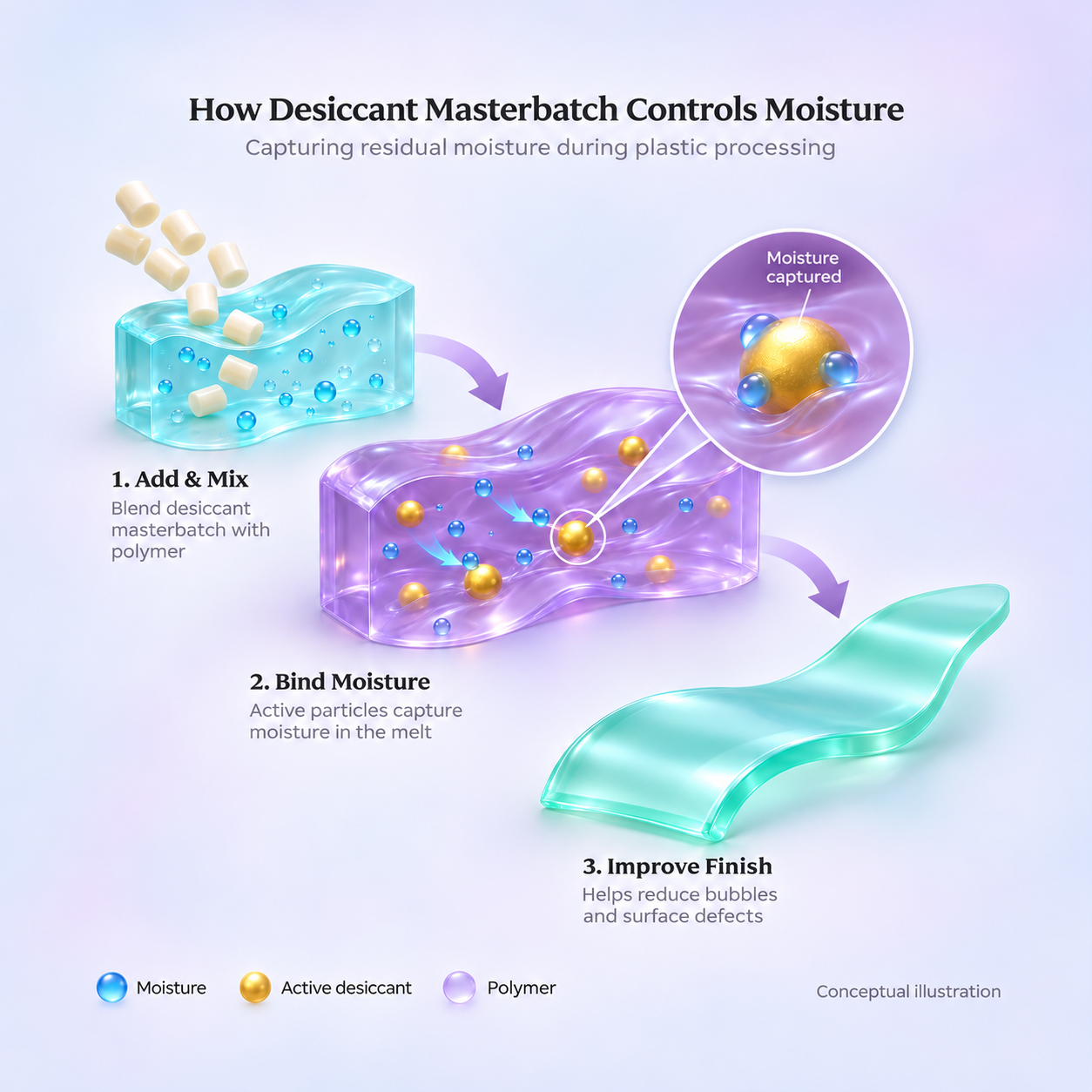
How Plast Desiccant works
Control water.
Before defects form.
When moisture enters a hot polymer melt, vapour may cause bubbles, pits, voids or surface streaks. The moisture-scavenging active in a compatible masterbatch binds available water, reducing its effect on processing.
Moisture-binding capacity is finite. Grade selection, accurate dosing, feeder consistency and proper bag storage all matter.
From raw material to finished article
Look closer.
See what matters.
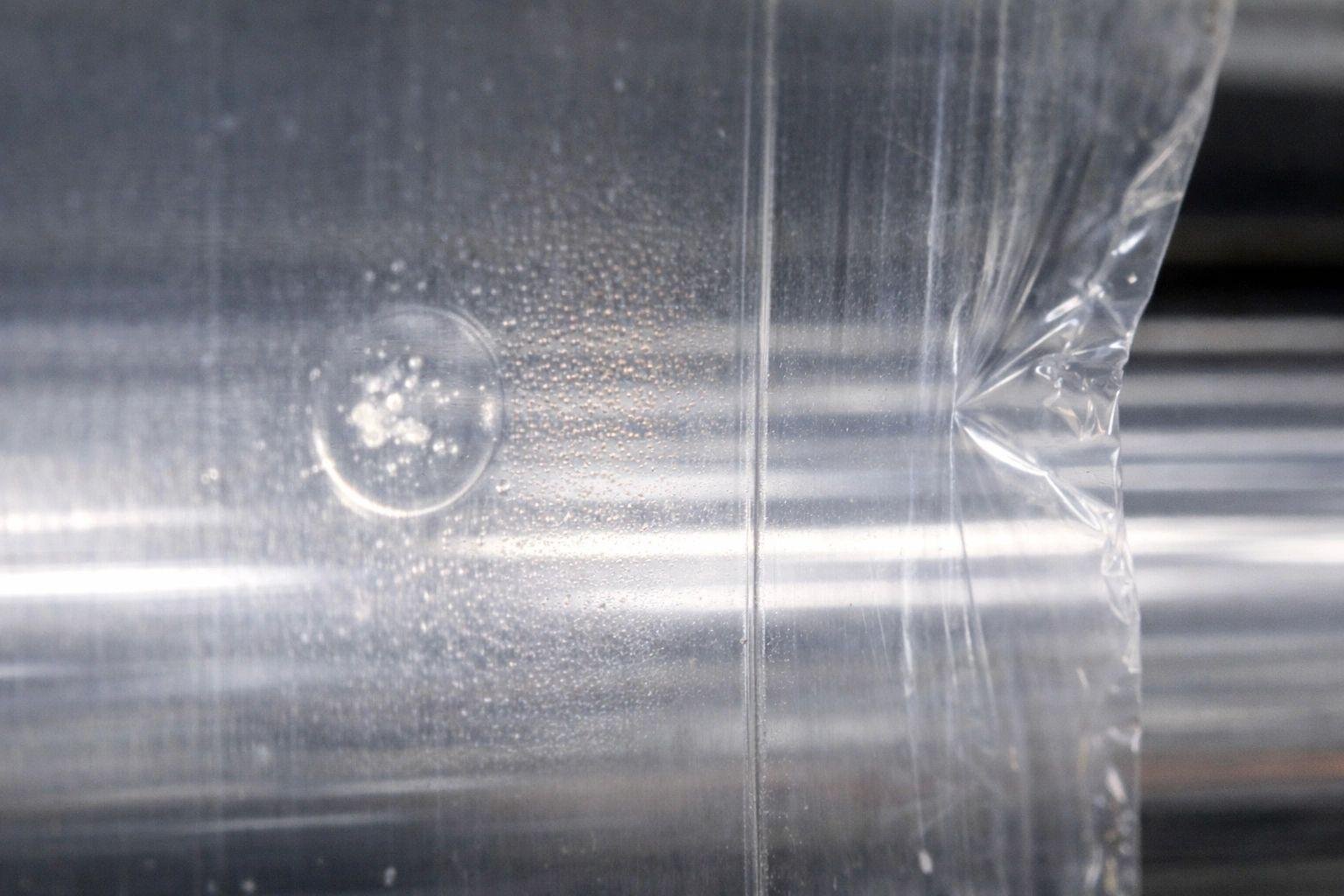
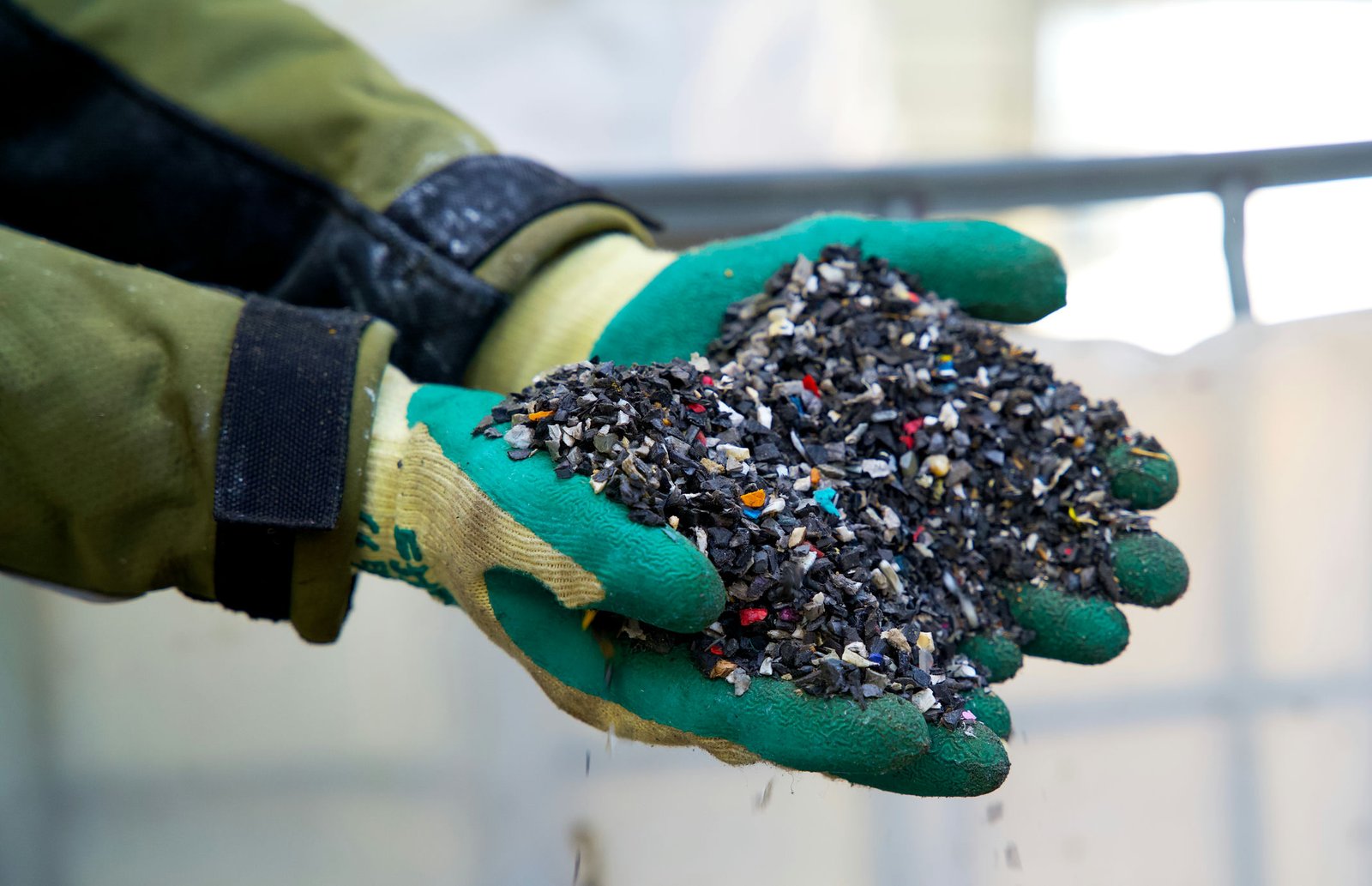
Real-world processing requires control at each stage. These reference photographs illustrate the problem and the recycled raw materials—not a laboratory performance comparison.
Moisture-related defects
Bubbles, punctures and silver streaks may be linked to moisture; confirm the cause before changing the dosage.
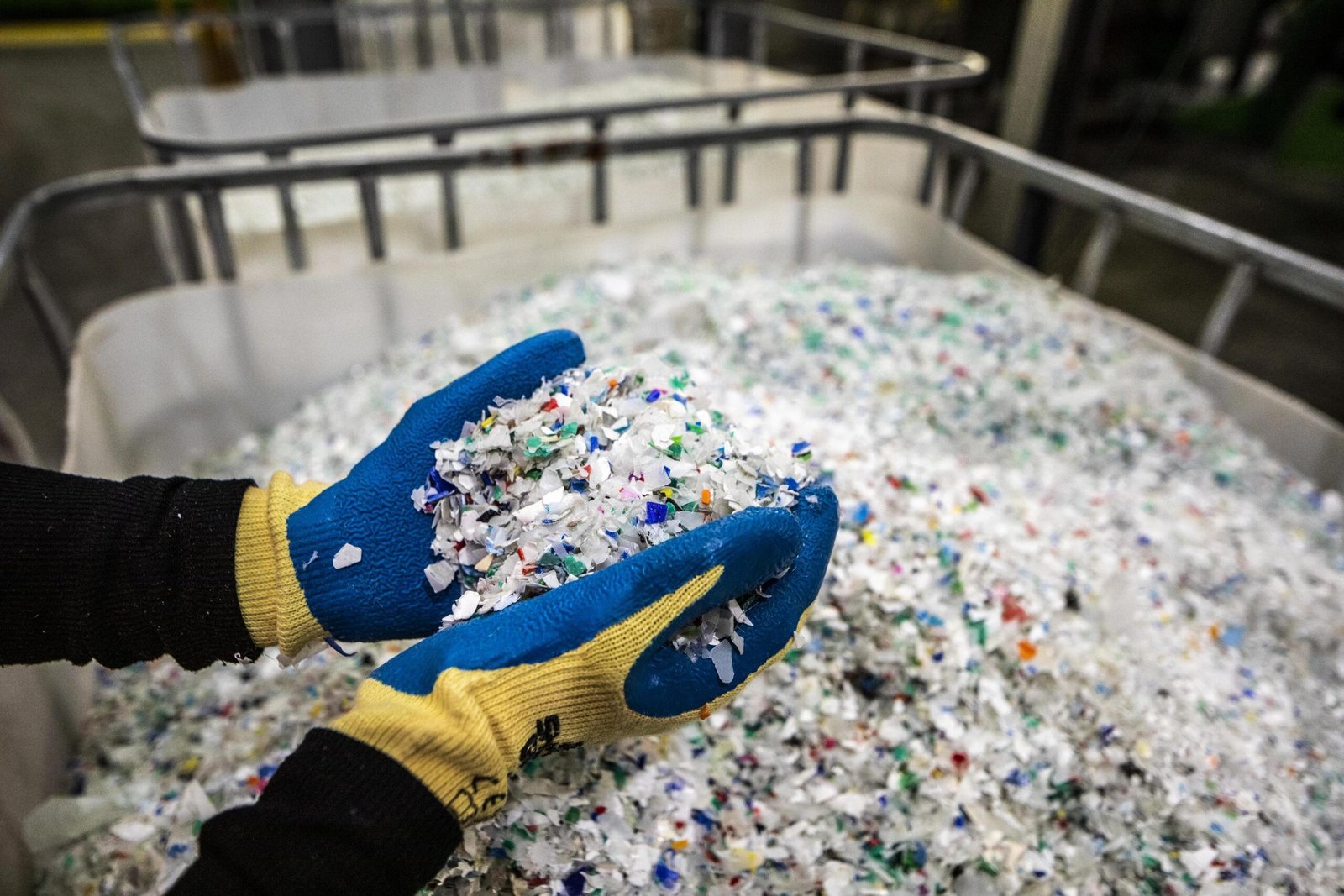
Variable recycled feedstock
Washed flakes, regrind and blends may carry variable moisture and contamination; appropriate sorting and dewatering are still essential.
A world of applications
One moisture challenge.
Many end products.
Explore where a properly selected desiccant masterbatch can support PP and PE processing. Product approval and final-part testing are application specific.

Outdoor furniture
Moisture management for recycled PP and HDPE furniture formulations.
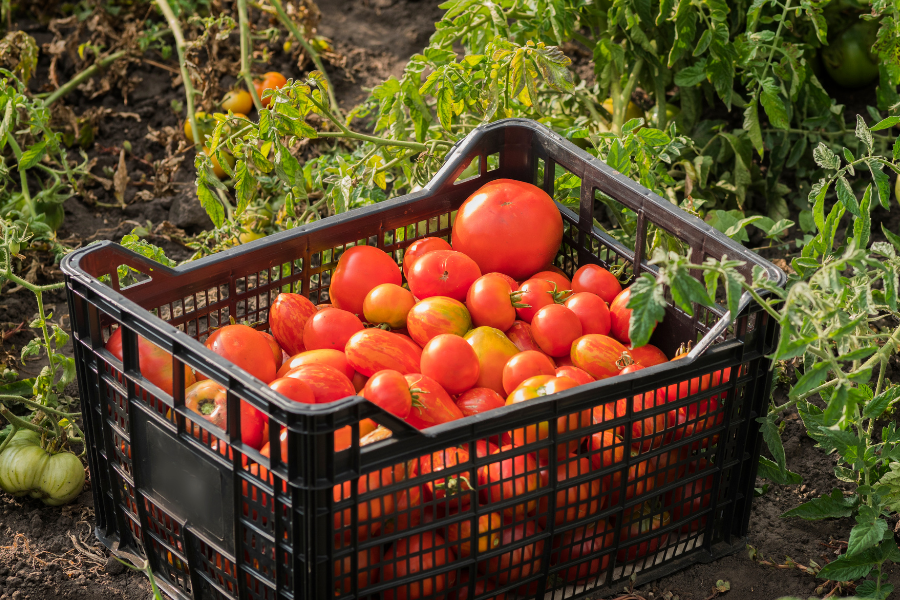
Plastic crates
Injection-moulded produce and industrial crates made using qualified polyolefin blends.

Plastic tanks & barrels
Evaluate moisture-related voids in blow-moulded and rotationally moulded parts.
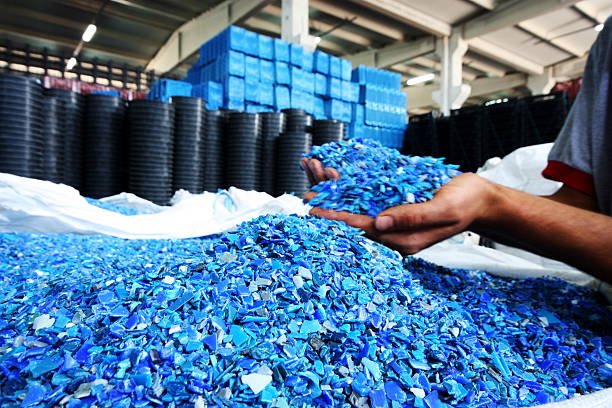
Plastic processing
Extrusion and moulding lines processing qualified recycled PP and PE materials.

Garbage bins
Reprocessed PE/PP waste containers and injection-moulded bins.

Garbage bags
Moisture control in recycled PE film for bin liners and refuse sacks.

Jerry cans
Blow-moulded HDPE containers requiring consistent walls and surface quality.
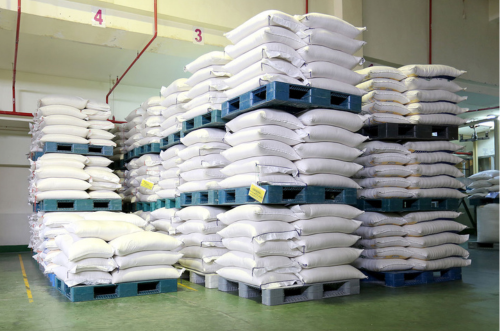
Woven sacks
Evaluate film-coating quality and tape performance in PP woven packaging.

Tarpaulin
PE-coated woven fabrics and reprocessed polyolefin sheet formulations.
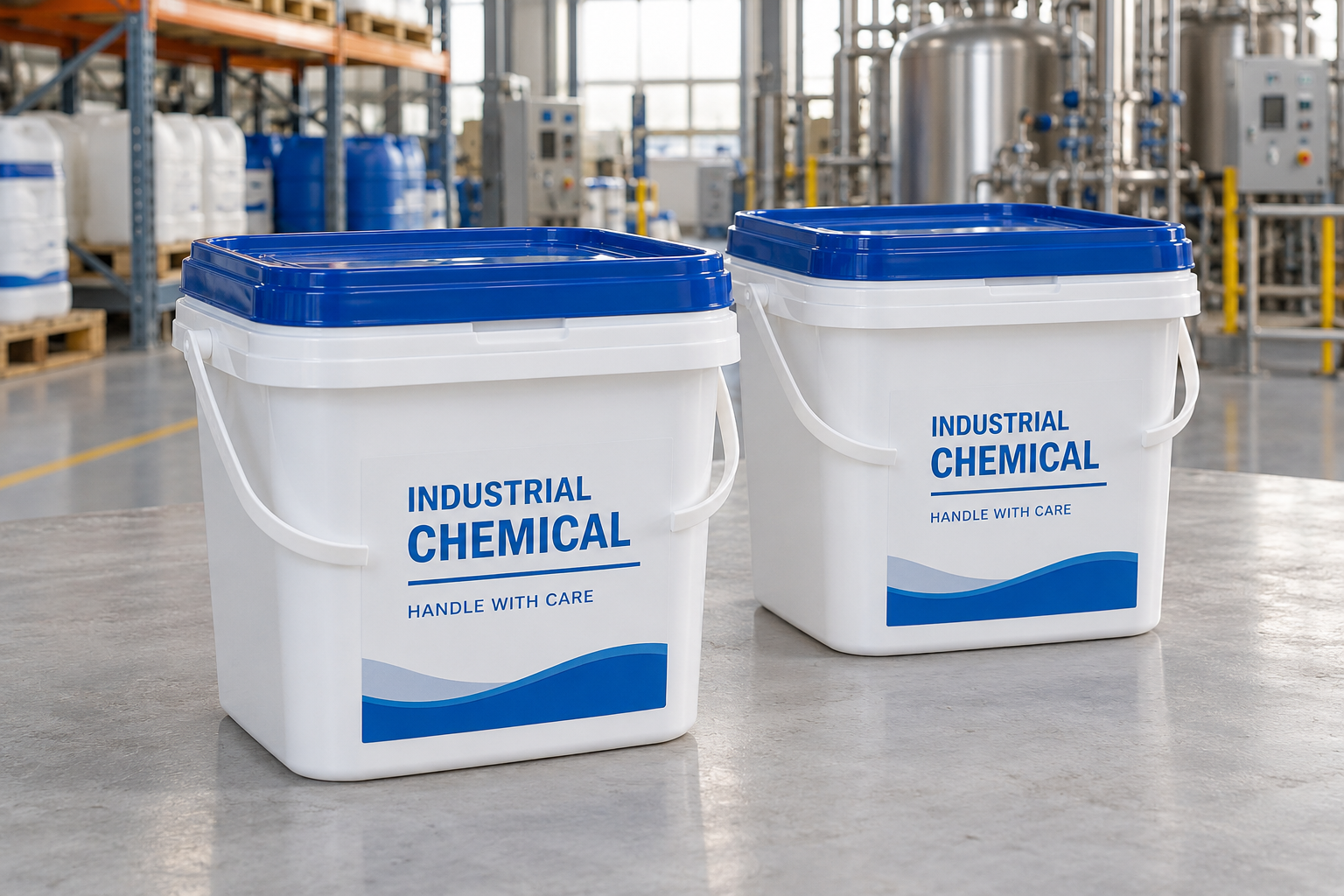
Pails & buckets
Injection-moulded industrial packaging with defined surface and impact requirements.
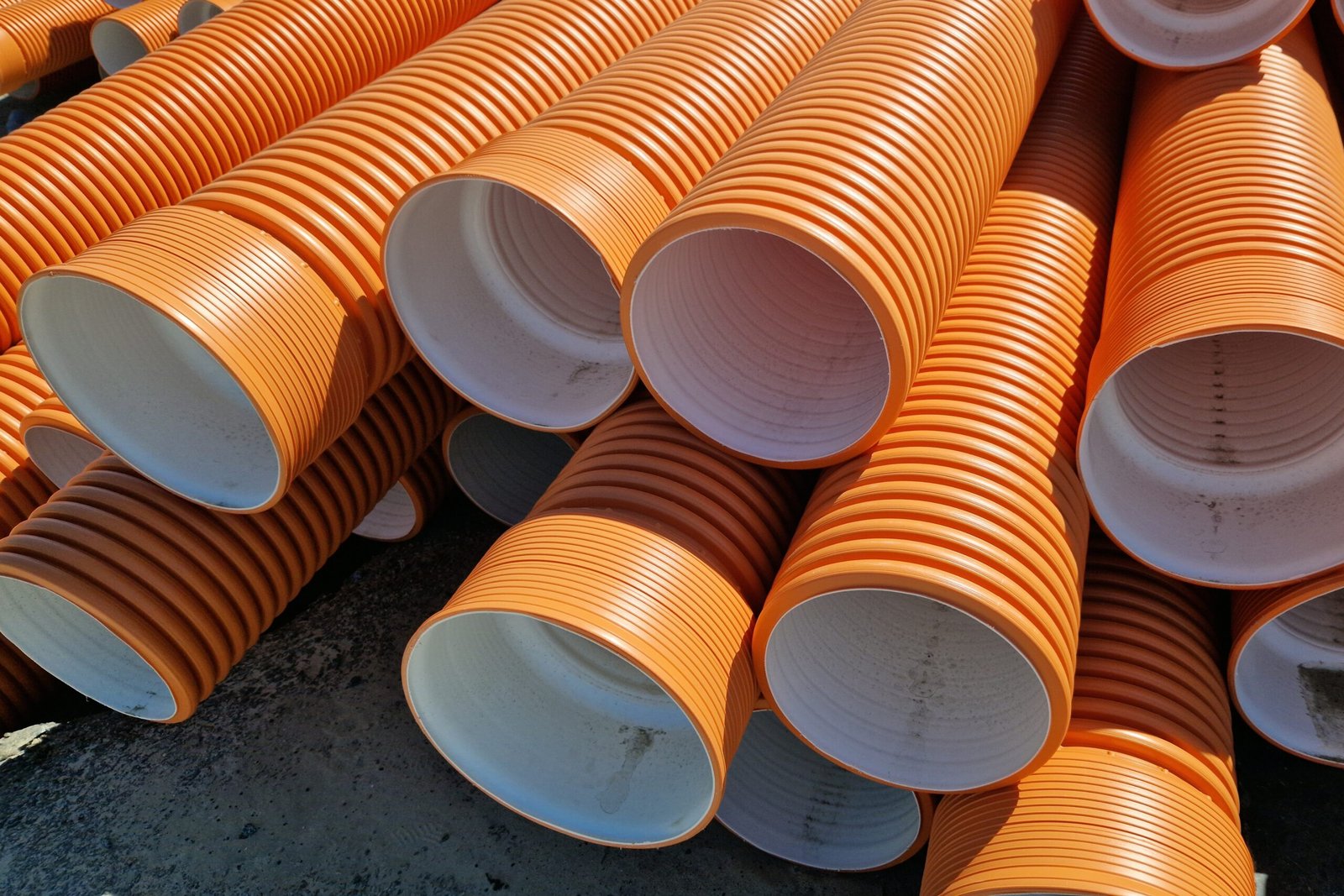
Corrugated pipes
Qualified recycled PE extrusion formulations for non-pressure applications.

Agricultural films
Moisture management for appropriate recycled PE agricultural-film formulations.
Images illustrate downstream product types. Their appearance does not independently demonstrate desiccant use or guaranteed product performance. For outdoor, food-contact or pressure-rated applications, confirm separate end-use requirements.
Bajaj Resy · Reprocessing & recycling solutions
Waste to resource.
Process with confidence.
Bajaj Plast Desiccant also supports Bajaj Resy masterbatch solutions for suitable recycled PP and PE streams, helping processors address residual moisture during reprocessing.


PCR & PIR polymer feedstock
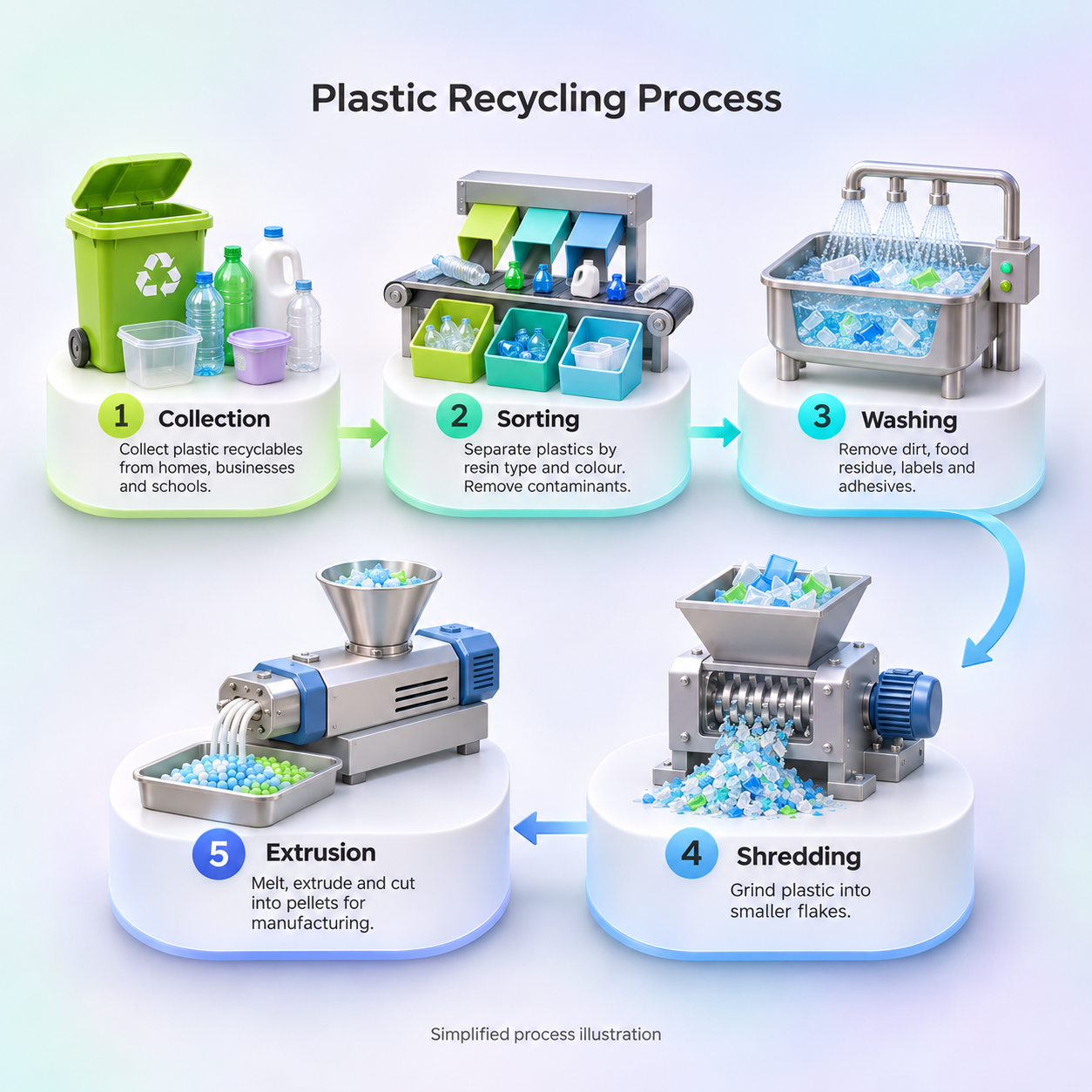
Moisture management for qualifying recovered PE and PP feedstock alongside washing, dewatering, filtration and process controls.
Reprocessing for new products
Support the conversion of recycled materials into practical articles where the complete formulation meets mechanical and appearance requirements.
Bajaj Resy is a product-family positioning statement, not an independent recycled-content certification or a claim that desiccant makes plastic biodegradable.
Extrusion & moulding
Designed for
the processing line.
Selected desiccant concentrates can be incorporated into compatible PE and PP processing systems to help manage moisture introduced by regrind, recycled flakes and other ingredients.
They do not automatically replace mechanical dewatering, resin drying, melt filtration or proper venting.
What processors look for
More consistent output.
Smarter moisture management.
Help reduce some moisture-related streaks and pits, subject to controlled trials.
Evaluate moisture-driven holes and bubble stability alongside gauge and strength.
Support the use of qualified recycled PE/PP feedstock with proper material preparation.
Granular concentrates can be added through properly calibrated blending systems.
Compare moisture-related scrap at equal process conditions; do not assume fixed savings.
Select the carrier and active capacity for the actual polymer and conversion process.
Technical selection
Match the carrier.
Verify the results.
| Selection point | PE carrier | PP carrier |
|---|---|---|
| Typical resin systems | Compatible LDPE, LLDPE and HDPE formulations | Compatible polypropylene formulations |
| Application checks | Film gauge, strength, sealing and dispersion | Impact, surface finish, tape drawability where relevant |
| Approval | Confirm exact grade, dosage and end-use requirements | Confirm exact grade, dosage and end-use requirements |
How much should you add?
Masterbatch mass = Total blend mass × Addition percentage ÷ 100.
For example, 2% in a 100 kg total blend equals 2 kg of masterbatch. This is only a calculation example—not a recommended Bajaj dosage. Select the actual dose from grade-specific moisture-binding capacity, feedstock testing and production trials.
A PP/PE desiccant should not automatically be used for PET, nylon, PC or other hydrolysis-sensitive polymers. Obtain relevant technical and regulatory documentation for the selected grade.
Implementation workflow
Measure. Select.
Validate.
Identify moisture.
Measure raw materials and confirm moisture is the likely cause of the observed defect.
Select the grade.
Choose the approved PP or PE carrier and review the applicable TDS and storage guidance.
Protect the granules.
Limit atmospheric exposure and keep unused masterbatch sealed.
Meter the dosage.
Calibrate feeders and keep the complete recipe at 100% total mass.
Run a controlled trial.
Compare the formulation at stable machine temperatures, throughput and settings.
Qualify the article.
Test optical, mechanical, dimensional and any relevant regulatory properties.
Frequently asked questions
Good questions.
Clear answers.
Can Desiccant Masterbatch replace a dryer?
Only where a suitably validated process demonstrates that it can handle the residual moisture. It is not a universal substitute for drying, dewatering or venting.
Is it suitable for recycled PP and PE?
Suitable PP and PE grades can be evaluated for PCR and PIR formulations. The feedstock's moisture level, carrier compatibility, target properties and processing route must be checked.
Can it remove fish-eyes and film bubbles?
It can help where moisture causes the defect, but gels, unmelted particles, contamination and thermal degradation require different corrective actions.
Does it work in crates, pipes, agricultural films and woven sacks?
It may be assessed in compatible polyolefin formulations for these applications. The finished article must still satisfy its processing, strength, outdoor durability and other application requirements.
Can it be used in PET or nylon?
Do not assume a PP- or PE-carrier masterbatch is appropriate for hydrolysis-sensitive polymers such as PET or nylon. Follow resin-specific drying guidance and use only an approved additive system.
How do I determine the required dosage?
Use moisture measurements, grade-specific effective moisture-binding capacity and a monitored production trial. Do not use an arbitrary fixed percentage for all applications.
How should bags be stored after opening?
Reseal promptly, minimise ambient humidity exposure and follow the selected grade's shelf-life and storage instructions.
Bajaj Masterbatches · Technical enquiry
Your polymer.
The right moisture control.
Tell us your polymer, recycled content, moisture level and processing challenge. Discuss the right Bajaj Plast Desiccant grade for your application.
Technical suitability, dosage, storage and compliance are grade specific.