
BAJAJ MASTERBATCHES
PP / HDPE · Injection moulding applications
Pails & Buckets.
Great packaging starts within.
Colour. Opacity. Performance.
Masterbatch solutions for every kind of fill.
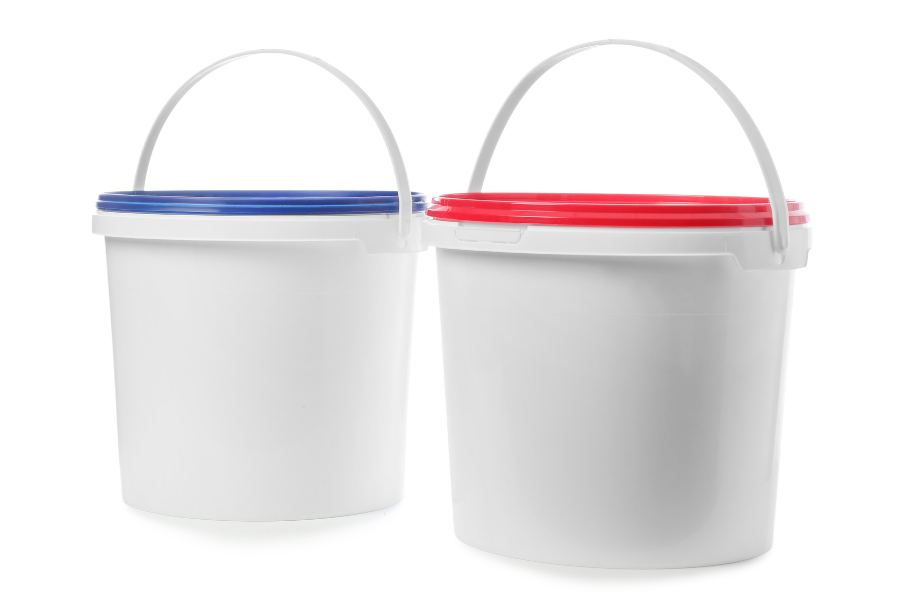
For the body. For the lid. For your brand.
From the inside out
Get the highlights.
Colour & consistency
A better first
impression.
Uniform colour and a refined moulded finish.
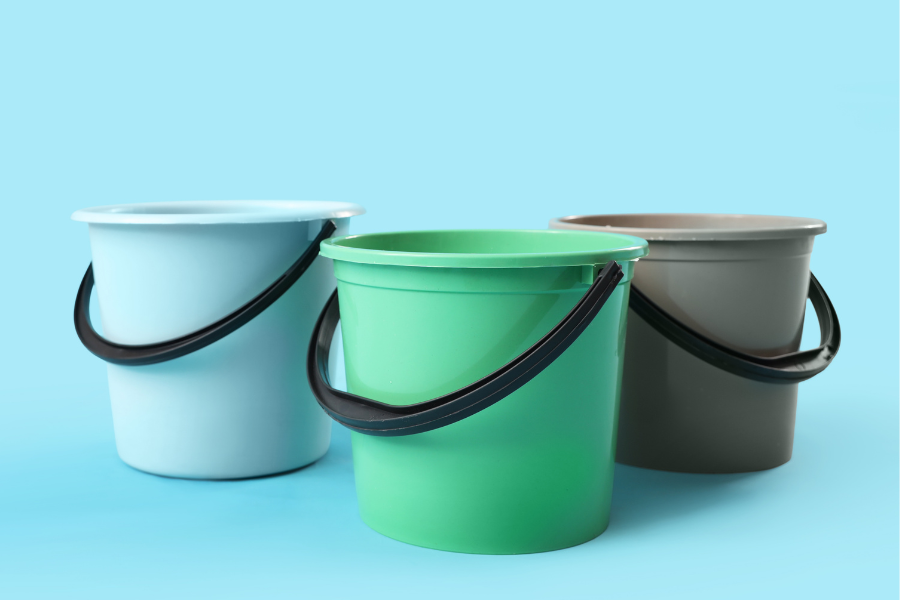
Whiteness & opacity
White that works
for your brand.
TiO₂ solutions for clean, opaque pail bodies.
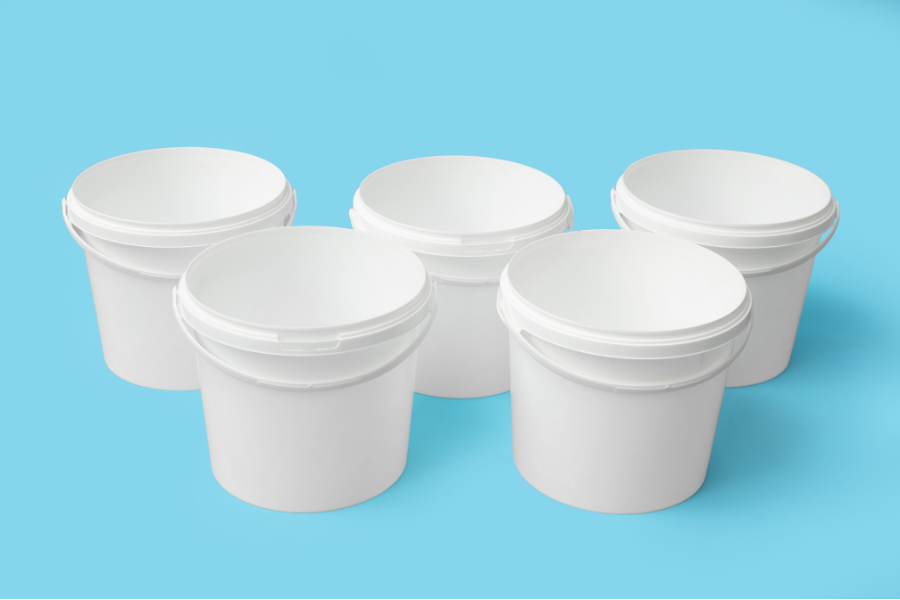
Industrial performance
Made for
the demands.
Formulations selected around the filled pack.
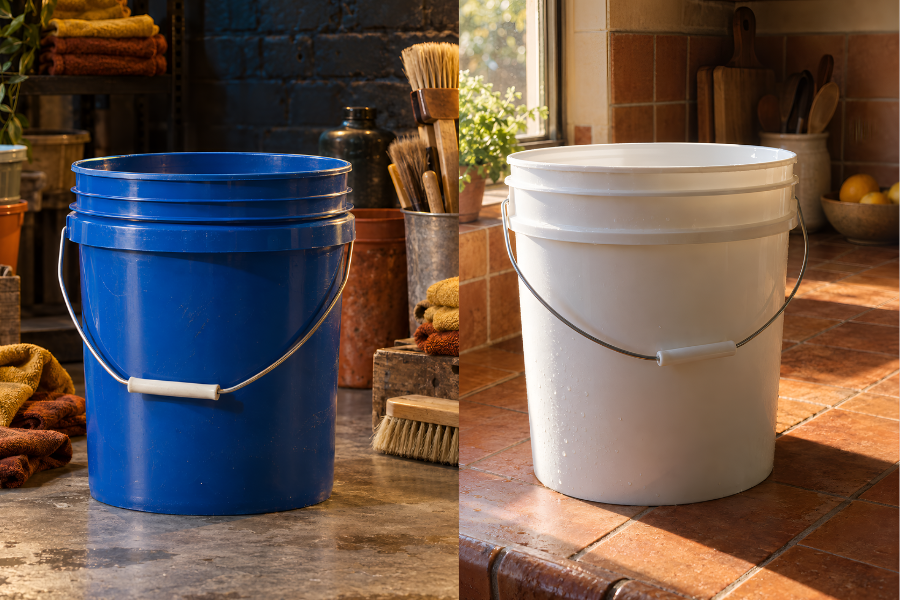
Manufacturing confidence
Consistency.
In every cycle.
Compatible carriers and application-led selection.
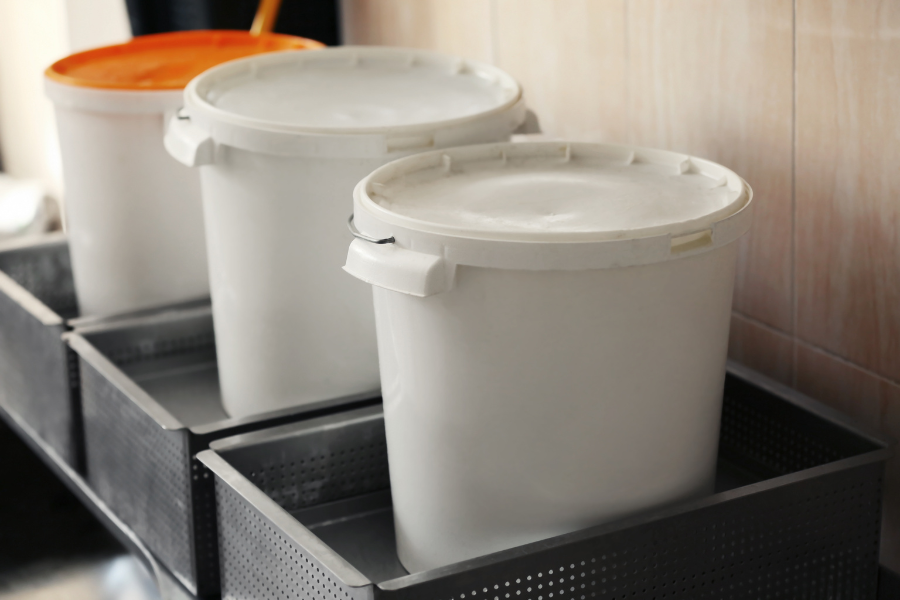
A range of possibilities
Different fills.
One focus on quality.
Discover PP and HDPE pails and buckets for paint packaging, chemical packaging, industrial packaging and food-grade packaging.
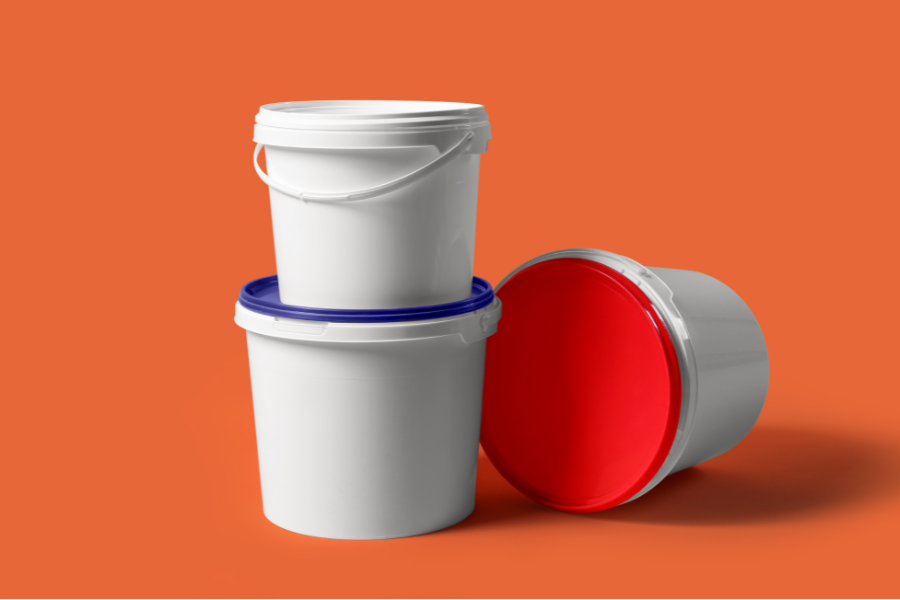
Paint packaging
Paint pails
A clean canvas for emulsion paints, decorative coatings and colour-led brands.
Explore masterbatches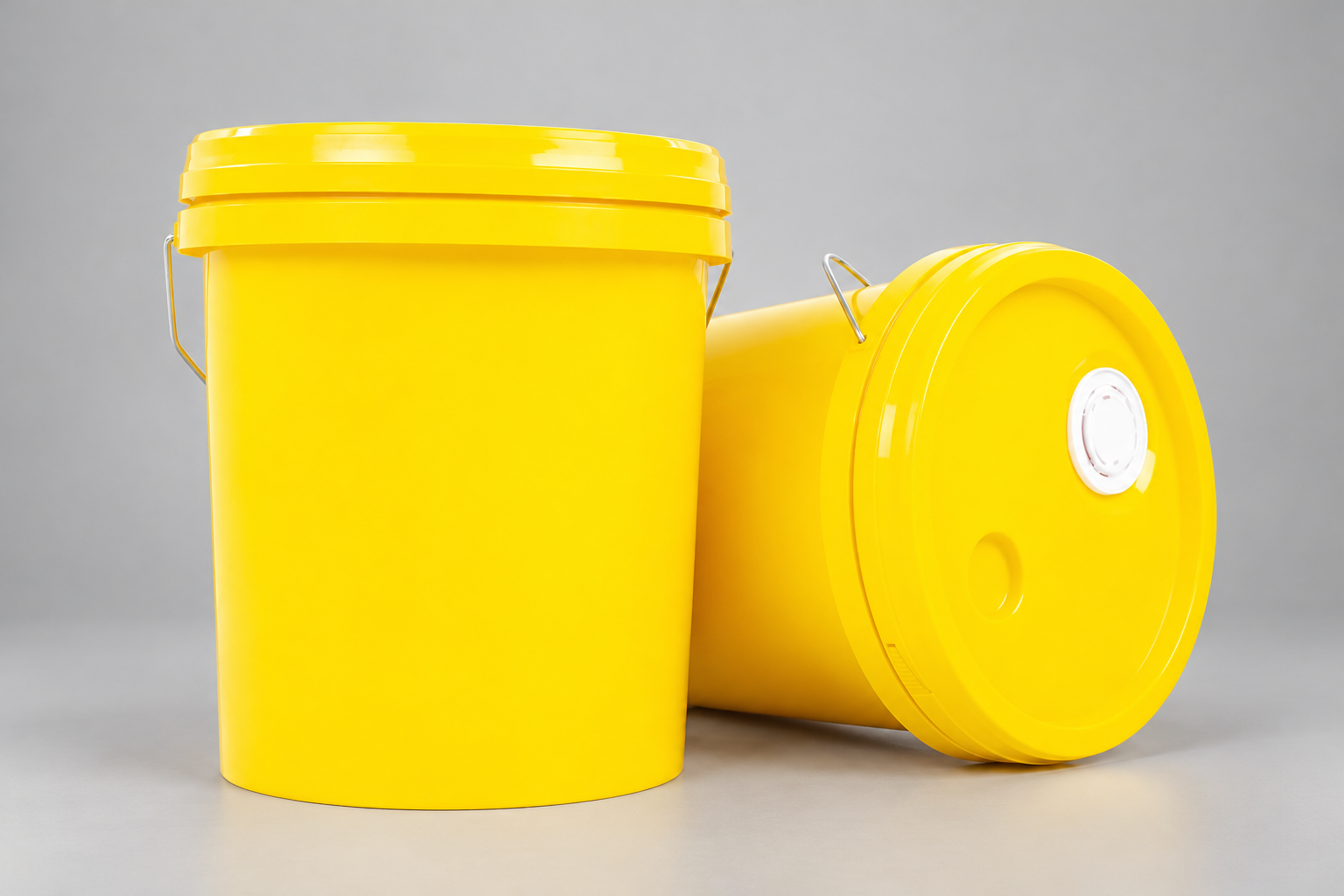
Construction packaging
Waterproofing buckets
Distinctive packaging for waterproofing compounds, sealants and protective coatings.
Explore masterbatches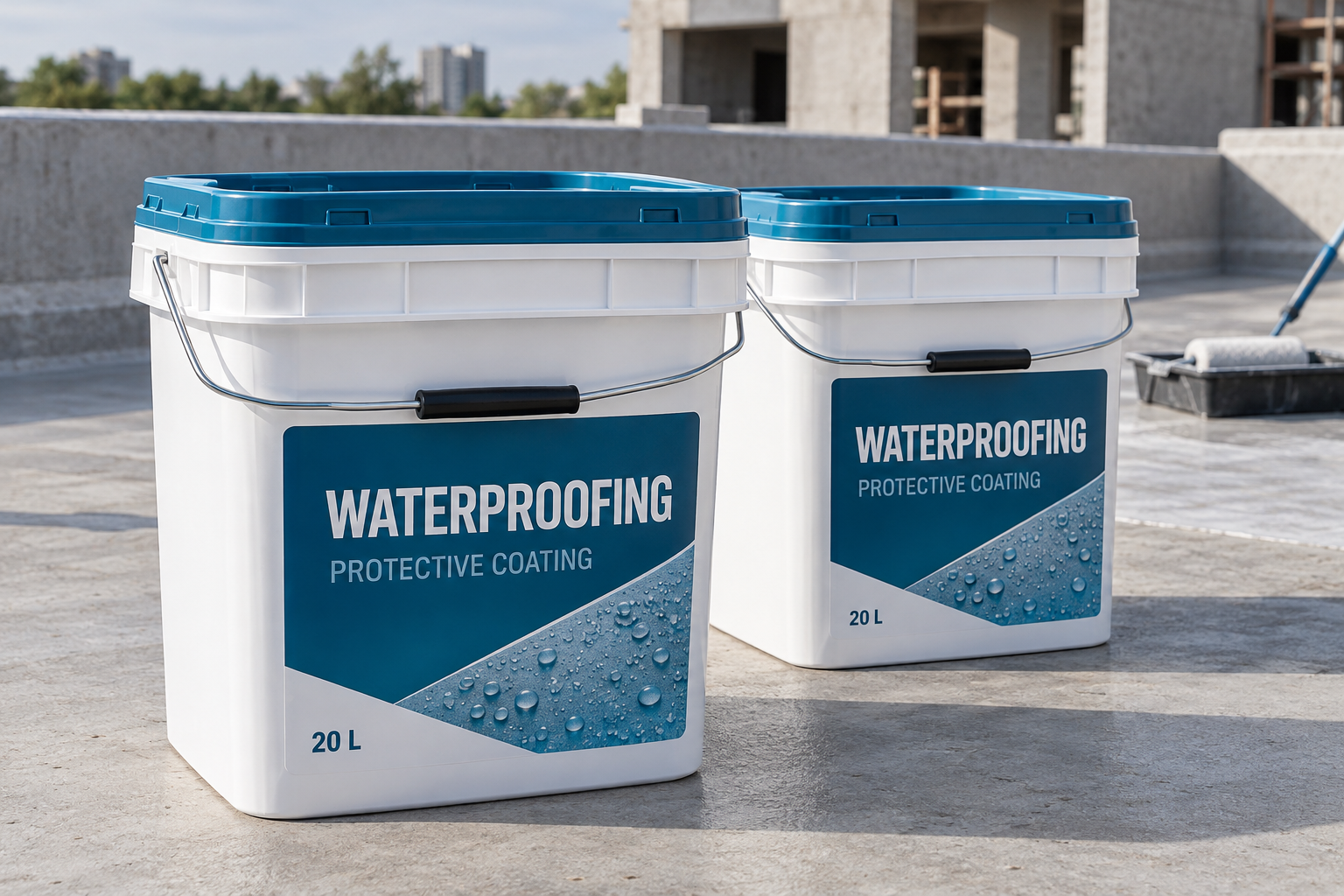
Oil packaging
Oil pails
Consistent colour and finish for industrial oils and maintenance fluids.
Explore masterbatchesLubricant packaging
Lubricant & grease pails
Brand-matched pails for automotive lubricants, greases and workshop consumables.
Explore masterbatchesChemical packaging
Chemical buckets
Application-selected formulations for detergents, chemicals and process materials.
Explore masterbatches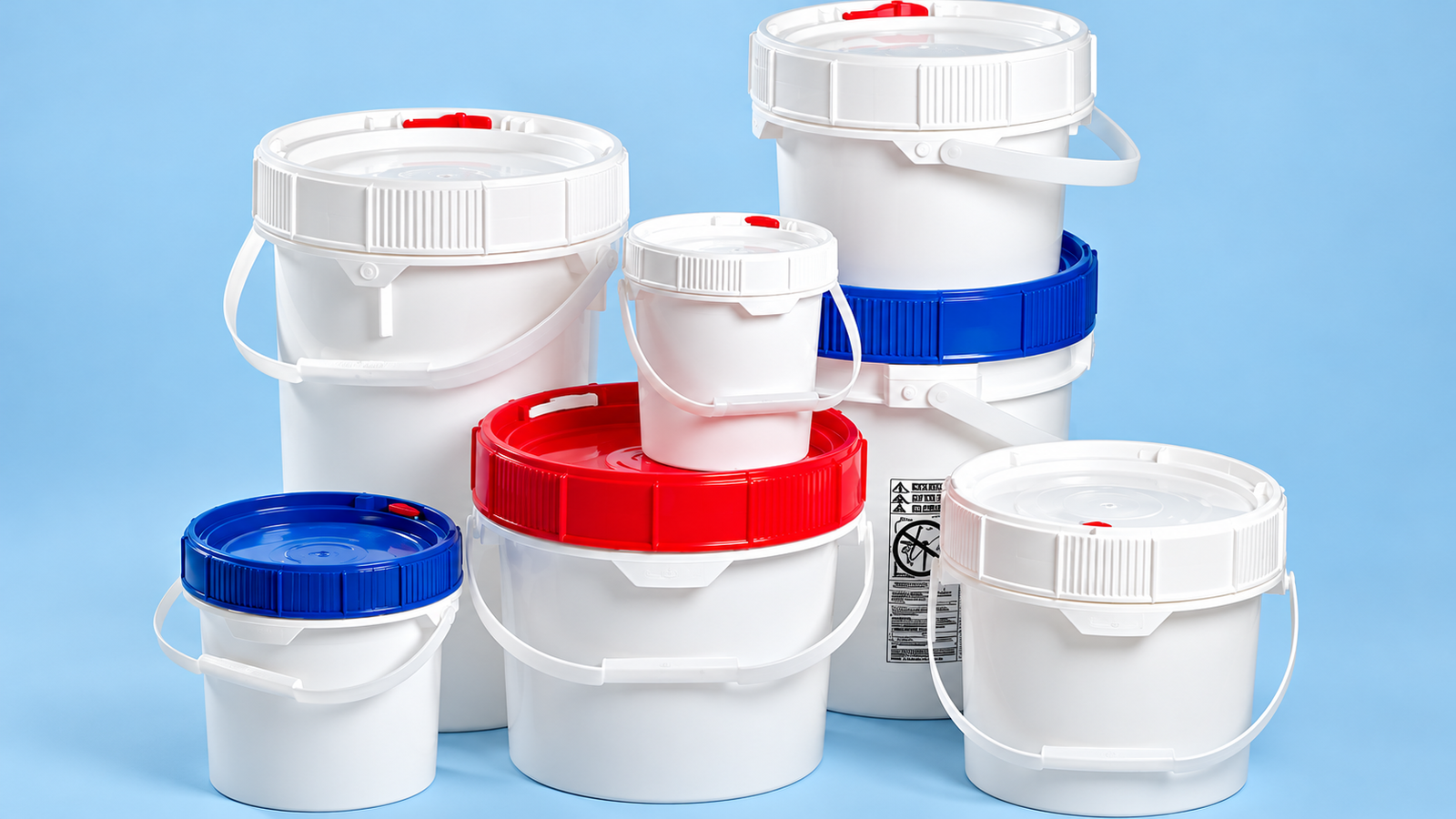
Industrial packaging
Industrial plastic pails
Functional containers for adhesives, pastes, powders and industrial products.
Explore masterbatches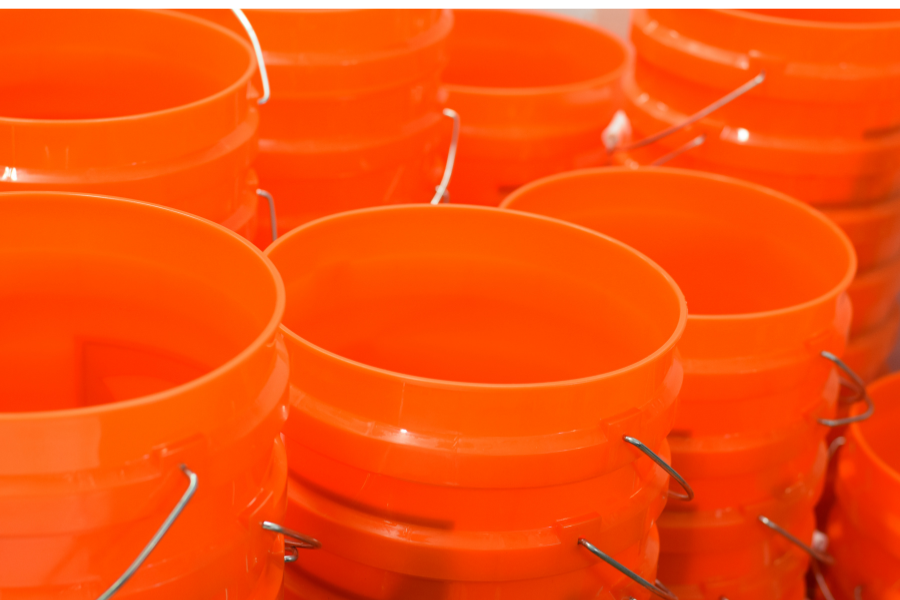
Heavy-duty handling
Industrial buckets
Practical buckets for production floors, construction and material handling.
Explore masterbatches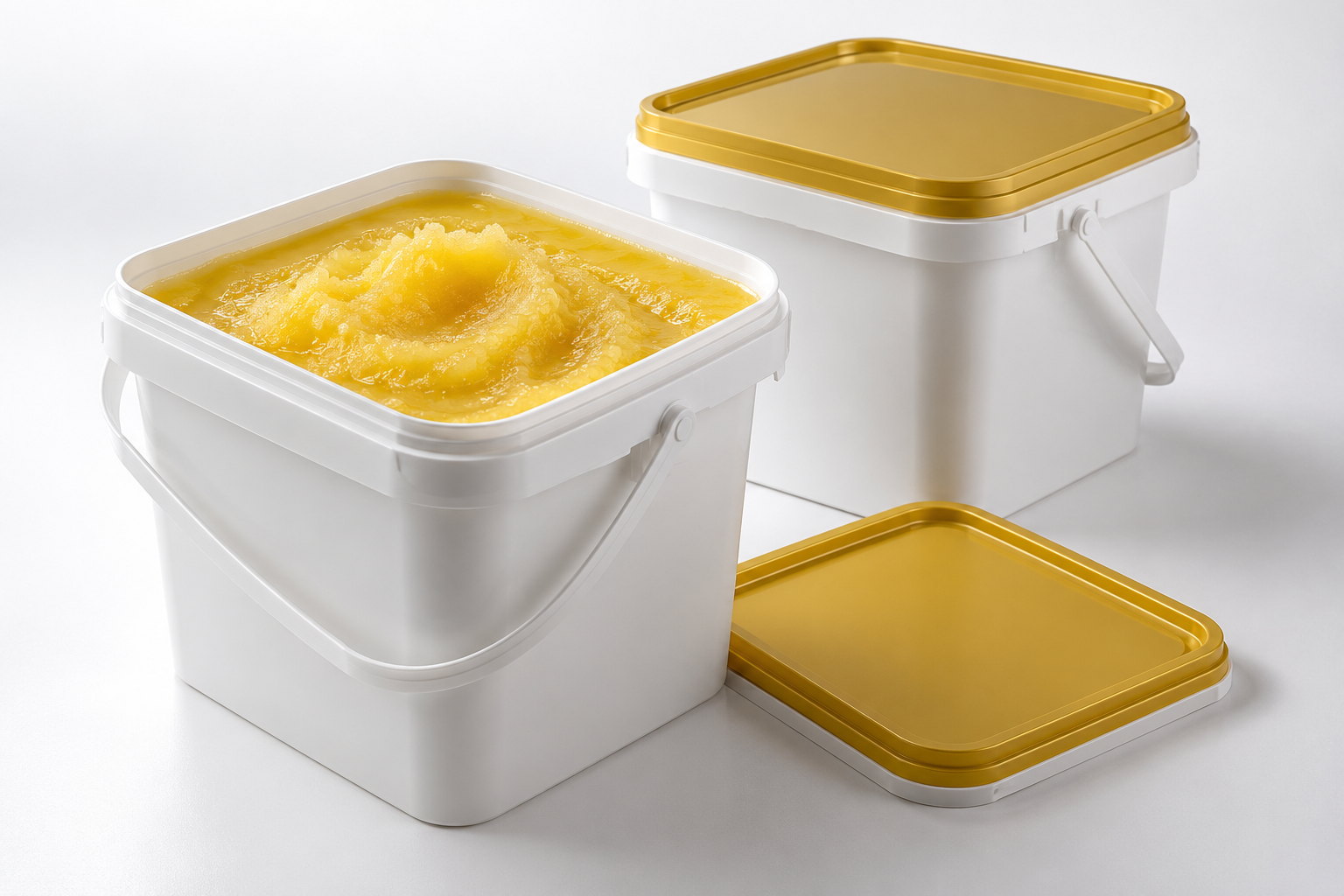
Food-grade packaging
Ghee buckets
Bright, consistent packaging for ghee and other edible-fat products.
Explore masterbatches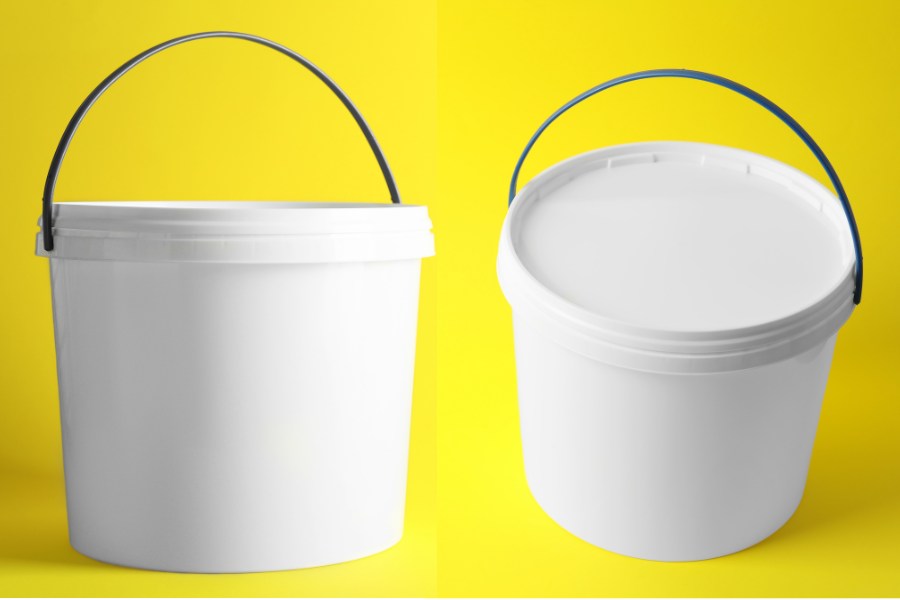
Food-grade packaging
Food & dairy pails
White and coloured containers for dairy, ingredients, sauces and bulk foods.
Explore masterbatchesEveryday utility
Plastic & water buckets
Fresh colour and a uniform finish for household, cleaning and water-carrying buckets.
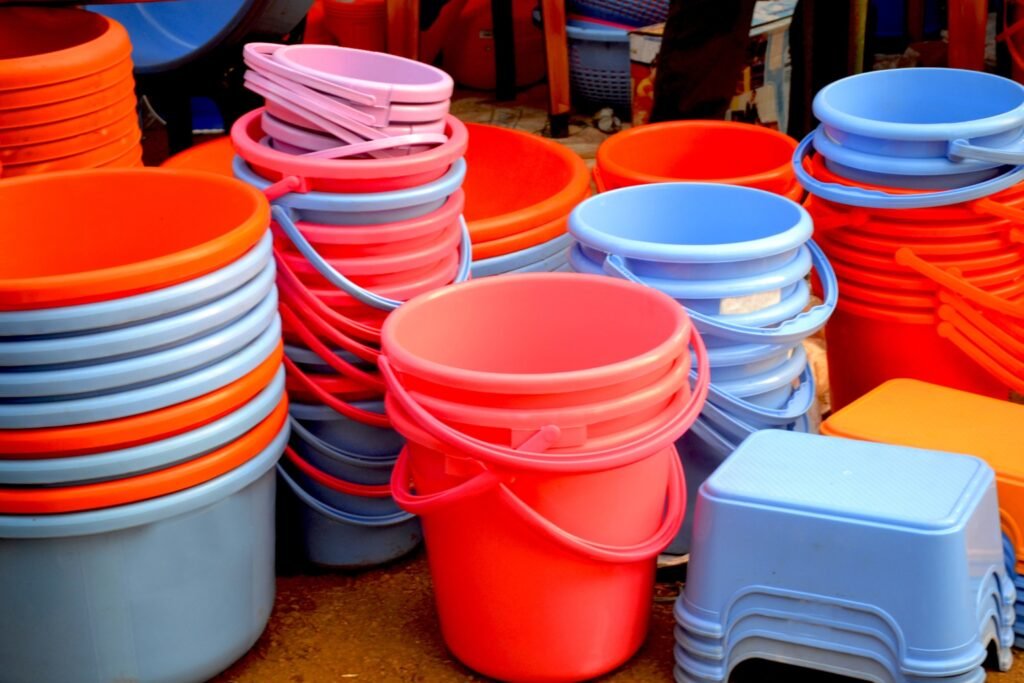
Explore masterbatchesPhotos illustrate container formats. Resin, formulation and packaging suitability are selected for the actual contents and service conditions.
Start with the polymer
Two materials.
A purpose for each.
Select the resin first. Then match the masterbatch carrier, melt-flow behaviour and additive package to the moulded part.
Polypropylene.
For stiffness, a clean finish and efficient mould filling. Impact-copolymer PP is frequently used when pail toughness and drop performance matter.
- Match flow to the wall thickness and flow length.
- Balance rigidity with low-temperature impact needs.
- Evaluate nucleation, shrinkage and lid fit together.
Carrier strategy
Prefer a suitable PP carrier where polymer matching is critical. Trial any PE-carrier grade before approval in PP.
High-density polyethylene.
For robust handling and application-specific chemical resistance. The selected resin grade governs the balance of flow, impact and stress-cracking resistance.
- Check environmental stress-crack resistance (ESCR).
- Validate the actual fill, temperature and contact time.
- Control shrinkage, rim dimensions and sealing.
Carrier strategy
Select compatible PE / HDPE-carrier masterbatches and validate the complete formulation at the intended loading.
PP and HDPE performance depends on the specific resin grade and part design. Masterbatch selection complements the base resin and moulding process.
The Bajaj masterbatch range
Small granules.
A big difference.
Build the right combination of appearance, polymer protection and process control. Select what your application needs.
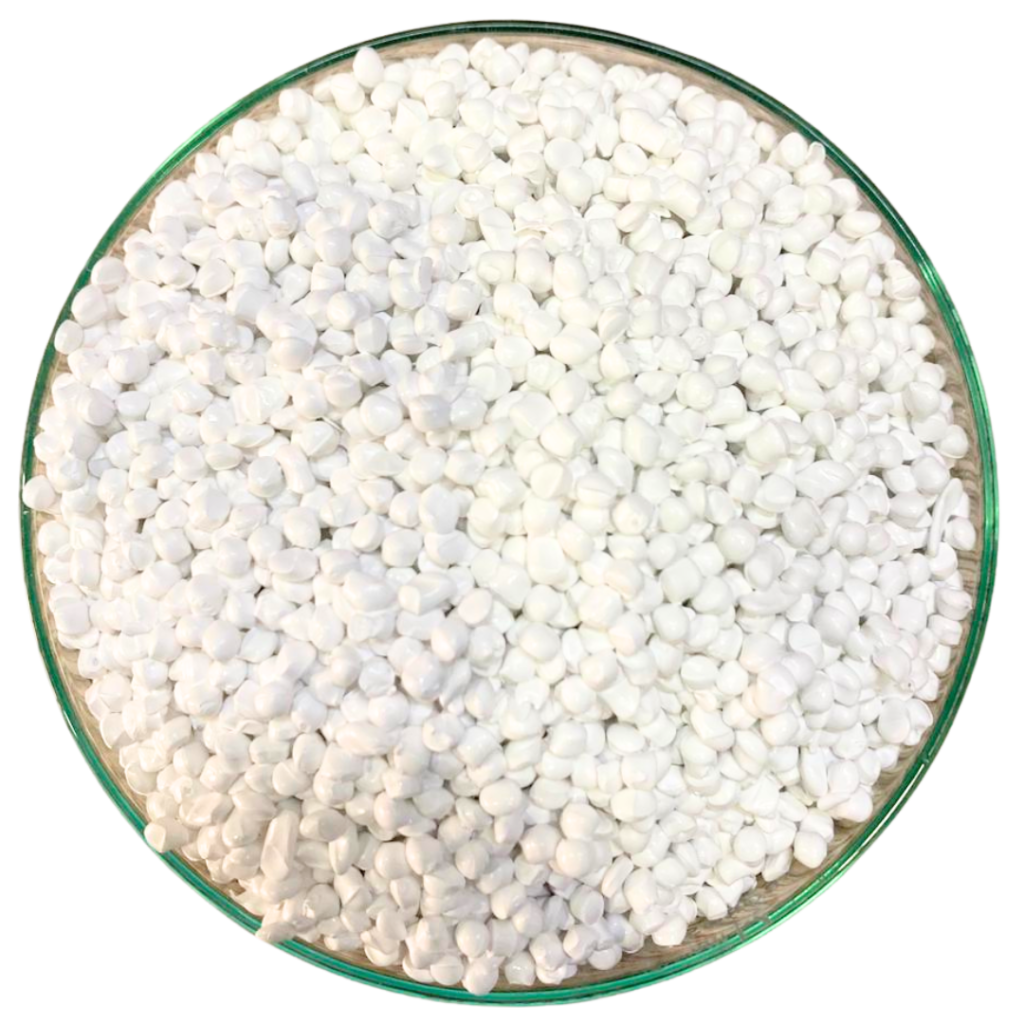
APPEARANCE
TiO₂ White
Build an opaque white base with controlled undertone and good pigment dispersion.
PLAST SUPER range
Selection notes
For white pail bodies, lids and light-colour formulations. Select TiO₂ concentration and let-down against wall thickness, required hiding power and host resin. Optical brightener can adjust tone but does not replace TiO₂ opacity.
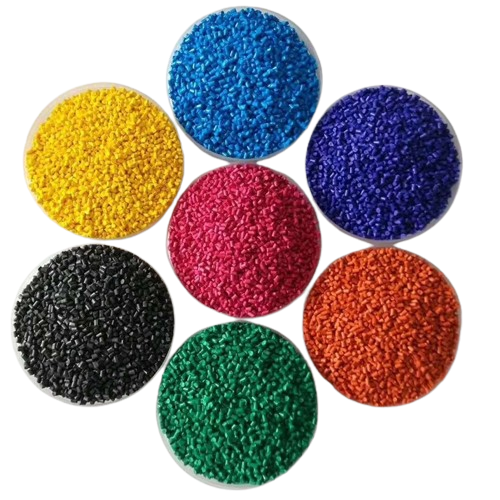
BRAND IDENTITY
Colour
Carry your brand colour from body to lid, batch after batch.
Application-matched colour grades
Selection notes
Specify the PP or HDPE substrate, reference shade, wall thickness, processing temperature and end use. Pigment heat stability, migration resistance and colour matching should be evaluated in moulded plaques and actual parts.
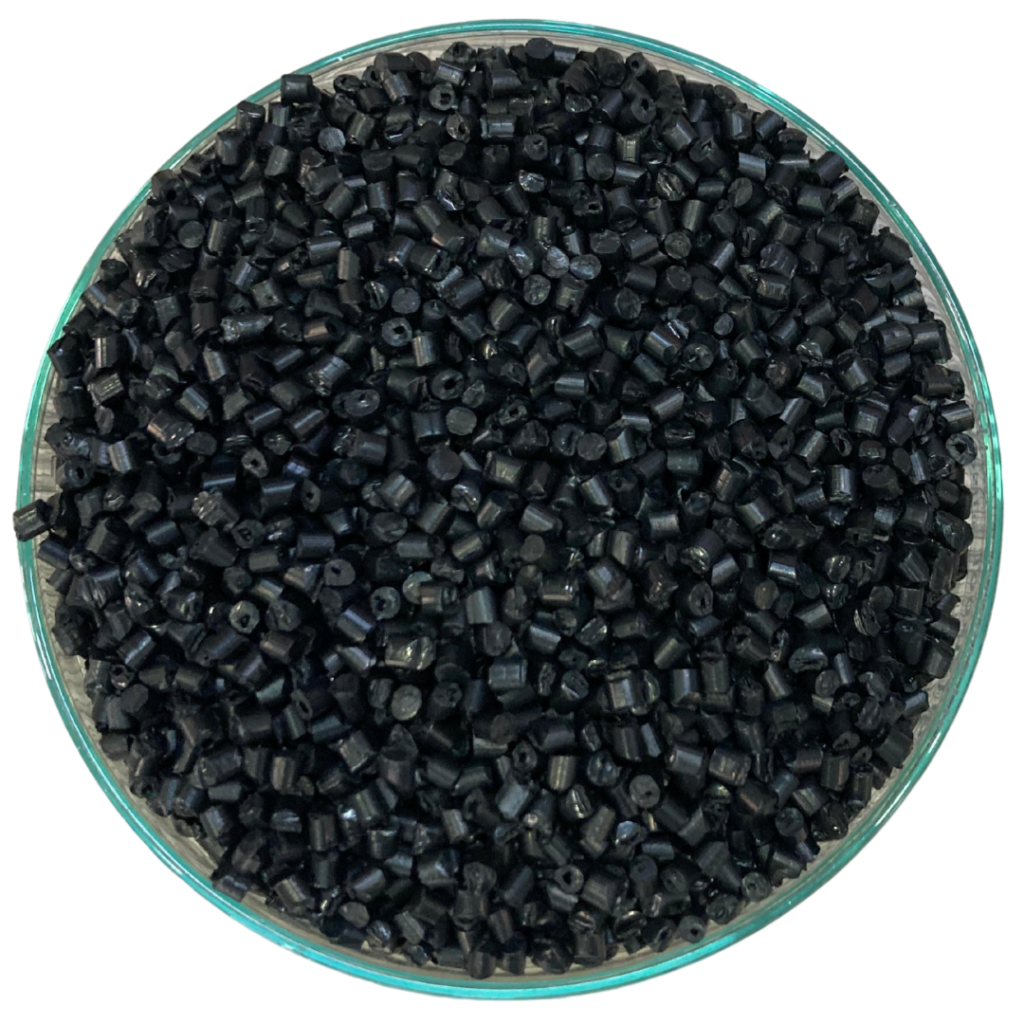
JETNESS
Carbon Black
Deliver deep black colour and a consistent moulded finish.
PLAST Carbon Black
Selection notes
For black industrial and utility pails. Appropriate carbon-black type, loading and dispersion may also contribute to UV protection. Outdoor durability and any electrical-performance requirement need separate validation.

COST & STIFFNESS
Mineral Filler
Balance formulation cost, stiffness and dimensional behaviour.
PP / PE / HDPE-base families
Selection notes
Consider a suitable mineral-filled grade for validated non-food industrial formulations. Increasing mineral loading changes density, shrinkage, impact and closure behaviour. Evaluate cost per acceptable pail, including part weight and rejects.

POLYMER PROTECTION
Antioxidant
Help limit thermo-oxidative damage during moulding and use.
PLAST ANTIOXIDANT MB 051 / 052 PE
Selection notes
Review the stabiliser already present in the base resin and any permitted regrind. Choose a compatible package for melt stability and the service environment. Final dosage and carrier suitability must follow the selected TDS.
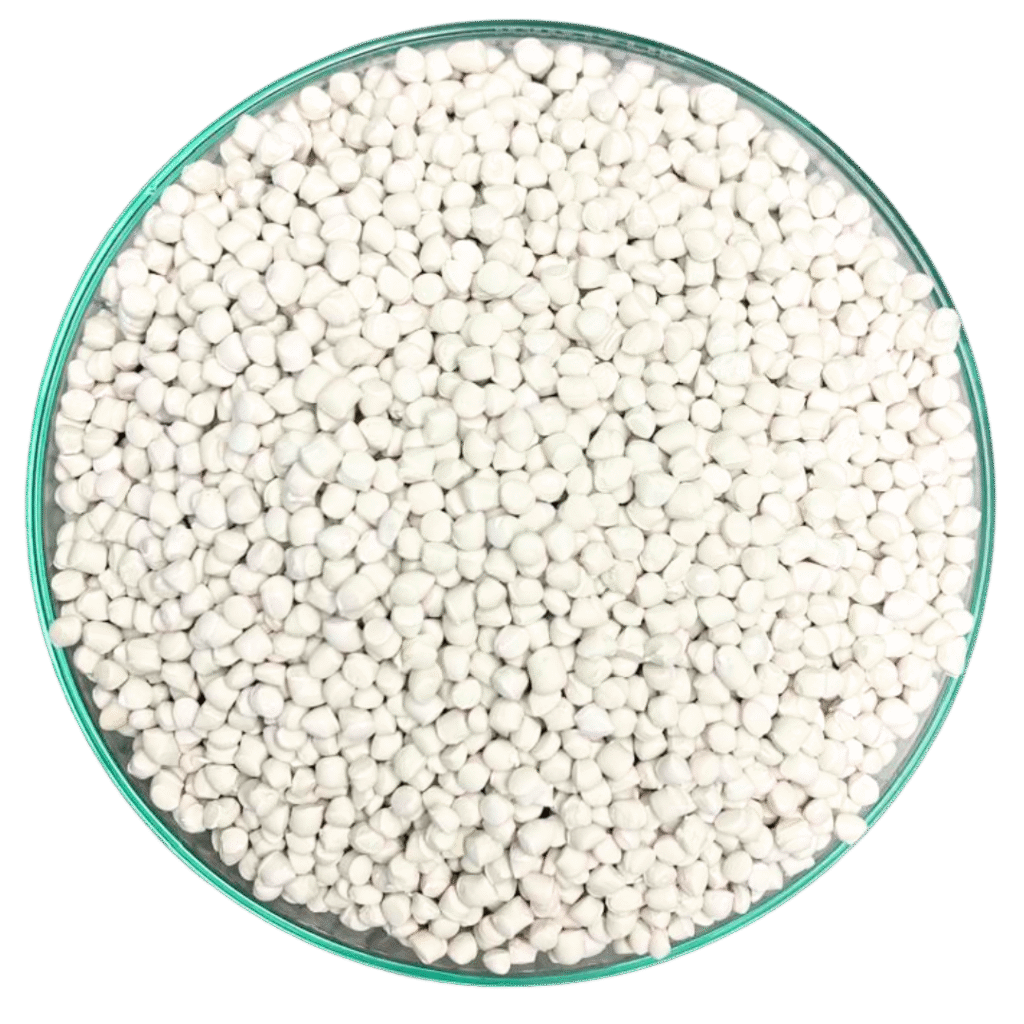
PROCESS QUALITY
Desiccant
Address moisture-related streaks and surface defects in suitable feedstocks.
PLAST DESSICANT MB 101 PE
Selection notes
A conditional processing aid for moisture-affected material, particularly selected recycled feedstocks. Confirm the cause of defects first and follow the grade TDS. It is not a universal replacement for drying or a packaged-product moisture-barrier claim.

WHITE-TONE CONTROL
Optical Brightener
Fine-tune the perceived brightness of white and natural pails.
PLAST OB / Optical Brightner
Selection notes
Use for controlled correction of yellow tone and visual brightness. Approve the shade under the intended lighting. Selection for food contact requires specific documentation; a brighter appearance does not indicate greater purity.

SPECIFICATION-LED
Antimicrobial
A specialty option for a defined antimicrobial surface specification.
Application-specific selection
Selection notes
Consider only where a tested surface-performance requirement exists. Select agent, carrier and dosage for the use case. Antimicrobial treatment does not itself establish food-contact suitability or preserve the packed food.

SPECIALTY USE
Flame Retardant
For specially specified moulded parts with a defined flammability target.
PLAST Flame Retardant
Selection notes
Use only after assessing the complete polymer formulation and finished-part test requirement. Flame retardancy does not establish suitability for flammable contents, solvent compatibility or dangerous-goods transport approval.
Extend the formulation
More function.
When you need it.
UV stabilisation
For outdoor pails and buckets: select a PP- or PE-compatible UV package for colour, exposure and required property retention.
Explore PLAST UVNucleating & antistatic options
Evaluate PP nucleation for crystallisation control and antistatic additives for specified surface behaviour. Check effects on labels, closures and contents.
Explore additive solutionsApplication guide
Find the right
starting point.
A practical masterbatch shortlist for each pail and bucket type. Finalise the grade and dosage against your resin, mould and packed product.
Compare every pail and bucket application
| Application | Typical resin | Core masterbatches | Consider when needed | Validate in the finished pack |
|---|---|---|---|---|
| Paint pails | PP / HDPE | TiO₂ white or colour; antioxidant as required. | Optical brightener for white-tone adjustment; filler after mechanical trials; UV for outdoor exposure. | Opacity, shade consistency, lid fit, drop and stack performance. |
| Waterproofing buckets | PP / HDPE | Colour or TiO₂ white; antioxidant as required. | UV for site exposure; selected mineral filler after load and impact validation. | Contents compatibility, filled-pack handling, top load and closure integrity. |
| Oil pails | HDPE / PP | Colour, white or carbon black; antioxidant as required. | UV for outdoor storage; low-migration pigment selection for the intended contents. | Oil compatibility, permeation, handle loading, sealing and stress cracking. |
| Lubricant & grease pails | HDPE / PP | Colour or carbon black; antioxidant as required. | TiO₂ white for light colours; UV where exposed; filler only after filled-pack trials. | Lubricant compatibility, impact, stacking, pigment bleed and closure performance. |
| Chemical buckets | HDPE / PP | Compatible colour, white or black; antioxidant as required. | UV for outdoor use; specialty additives only against a defined packaging specification. | Actual chemical, concentration, temperature, contact time, permeation and ESCR. |
| Industrial plastic pails | PP / HDPE | Colour, white or black; antioxidant as required. | Filler for validated stiffness/cost targets; UV; desiccant only for moisture-affected feedstock. | Payload, wall thickness, impact, nesting, lid fit and batch consistency. |
| Industrial buckets | PP / HDPE | Colour or black; antioxidant as required. | UV for outdoor service; selected filler; PP nucleating grade where technically justified. | Handle strength, rim integrity, low-temperature drop behaviour and repeat-use durability. |
| Ghee buckets | PP / HDPE | Food-contact suitable TiO₂ white or colour, selected for the intended conditions. | Only additives supported by applicable food-contact documentation and migration evaluation. | Fatty-food suitability, intended fill temperature, taste/odour, migration and sealing. |
| Food & dairy pails | PP / HDPE | Food-contact suitable white or colour; approved stabilisation where needed. | Application-specific additives only after food-contact assessment. | Food type, time/temperature of contact, sensory properties and finished-pack compliance. |
| Plastic & water buckets | PP / HDPE | Colour or TiO₂ white; antioxidant as required. | Optical brightener, UV for outdoor use; selected filler or PP nucleation after trials. | Colour, surface finish, rim/handle strength and suitability for the intended water contact. |
Grade slates
A closer look
at your options.
These white grades are listed for injection moulding in Bajaj’s published product table. All four use a PE carrier; PP applications need compatibility trials.
White masterbatch · PE carrier
50%
TiO₂ in the masterbatch
PLAST SUPER 50-157
A 50% TiO₂ option listed for injection moulding and multilayer film.
View published gradeWhite masterbatch · PE carrier
50%
TiO₂ in the masterbatch
PLAST SUPER 132
A 50% TiO₂ option listed across injection, blow-moulding, tank and film applications.
View published gradeWhite masterbatch · PE carrier
65%
TiO₂ in the masterbatch
PLAST SUPER 177
A 65% TiO₂ option listed for injection moulding, water tanks and multilayer film.
View published gradeWhite masterbatch · PE carrier
70%
TiO₂ in the masterbatch
PLAST SUPER 131
A 70% TiO₂ option listed for injection moulding and multiple other conversion processes.
View published gradeAntioxidant · Published grade names
PLAST ANTIOXIDANT
MB 051 & 052 PE
For protection against processing and in-service oxidative degradation. Confirm the appropriate variant, carrier and dosage for the complete pail formulation.
Grade informationDesiccant · Published grade name
PLAST DESSICANT
MB 101 PE
For moisture-related processing issues in appropriate feedstocks. Use when moisture is established as the cause and the grade is suitable for the application.
Grade informationThe injection-moulding process
From granule
to finished pail.
One carefully controlled process. Six connected steps. The pail body and lid are moulded in their respective tools, then assembled and checked.
Meter resin and masterbatch accurately to the approved formulation.
Injection-moulding schematic · not to scale
- 01
Select & dose.
Match the PP or HDPE resin to the pail specification. Meter the selected colour / white and functional masterbatches consistently. Condition or dry feedstock where required.
Confirm carrier, dosage, moisture and regrind policy.
- 02
Plasticise & mix.
The rotating screw conveys, melts and blends the formulation. Set the barrel profile, back pressure and residence time for the resin and additives.
Check dispersion, melt temperature and melt stability.
- 03
Fill the mould.
For in-mould labelling, position the label before closing the tool. Inject the melt through the gate with a balanced profile to fill the wall, rim, ribs and handle-lug features.
Control fill speed, shot size, venting and weld-line quality.
- 04
Pack, hold & cool.
Apply holding pressure to compensate for shrinkage while the gate remains open. Balanced cooling controls part temperature and dimensional repeatability.
Validate shrinkage, roundness, warpage and cooling time.
- 05
Eject & assemble.
Open the tool and eject after adequate cooling. Mould lids separately, fit the specified handles and closures, and apply post-mould printing or labels where specified.
Check ejection marks, handle fit, lid engagement and decoration.
- 06
Validate the pack.
Inspect colour, opacity, surface and dimensions. Test the filled body-and-lid assembly for the handling and storage conditions of the end use.
Approve leak, drop, stack, compatibility and relevant contact tests.
The difference in the finished product
Looks right.
Performs with purpose.
The right masterbatch package helps you achieve the targets that matter to your finished pail. Confirm the result in production trials.
COLOUR & OPACITY
Stronger shelf presence.
Consistent colour and TiO₂ dispersion support clean opacity, an even tone and a more uniform appearance.
SURFACE QUALITY
A cleaner moulded surface.
Carrier compatibility and well-dispersed pigments help limit streaks and specks. Moisture-management grades can address specific moisture defects.
POLYMER STABILITY
Better retention of properties.
A suitable antioxidant package helps limit oxidative damage during processing and service, supporting the resin’s intended mechanical performance.
DIMENSIONAL CONTROL
A balanced structure.
Selected filler or nucleating systems can adjust stiffness, shrinkage and dimensional behaviour. Keep impact, density and closure performance in balance.
WEATHERING PERFORMANCE
Outdoor readiness.
The appropriate UV or carbon-black system can support resistance to weathering. Verify colour and mechanical retention for the intended exposure.
COST PER ACCEPTABLE PART
A clearer cost picture.
Optimise colour strength, dosing, acceptable part weight and rejection rate together. Judge savings by the cost of a passing finished pail.
Why choose Bajaj Masterbatches?
Quality that
builds trust.
Materials expertise, application understanding and a focus on repeatable quality — from initial selection to production.
Colour expertise.
Spectrophotometric matching and moulded-sample evaluation help translate a reference colour into a practical polymer formulation.
Application support.
Select for your resin, mould, wall thickness and contents. Build a shortlist that reflects your actual production requirements.
Testing capability.
Bajaj’s published R&D facilities include injection-moulding equipment, MFI and ash testing, colour analysis and weathering equipment.
A broad portfolio.
Combine white, colour, black, filler and additive solutions within one application-led discussion.
Technical questions
The details matter.
Which masterbatches are essential for a PP or HDPE pail?
Start with the appearance requirement: white, colour or black. Review the base resin’s existing stabilisation, then add functional masterbatches only where needed. Filler, UV, optical brightener, desiccant and other additives are application-dependent.
Can the same grade be used in PP and HDPE?
Only after checking carrier compatibility and the complete formulation. The published PLAST SUPER grades shown above have PE carriers. Evaluate their effect on PP flow, impact, shrinkage and lid fit, or request a suitable PP-carrier option.
How is the right dosage selected?
Use the current grade TDS as a starting point, then trial against colour, opacity and mechanical targets at the actual wall thickness. Account for pigment or additive concentration and the stabiliser already in the resin. A concentration printed on a grade card is not a let-down recommendation.
What changes for ghee and food-grade packaging?
Specify food type, fill temperature, storage time and destination market. Obtain the appropriate documentation for resin, masterbatch and additives, and validate the finished packaging under its intended contact conditions. Food-contact suitability is grade- and use-specific.
Can filler reduce cost without affecting pail performance?
Selected formulations may offer a useful stiffness and cost balance, but mineral loading also changes density, impact and shrinkage. Validate filled-pack drop, stacking and closure behaviour. Compare cost per passing pail rather than only compound price per kilogram.
Does flame retardant make a chemical pail safe for flammable liquids?
No. A flammability rating for a moulded material does not establish compatibility with a chemical or suitability for flammable contents. Container design, permeation, seals, static behaviour and any applicable packaging approvals require separate assessment.
Are these pails and buckets injection moulded?
This application page focuses on injection-moulded PP and HDPE pail bodies and lids. Other container manufacturing methods require their own resin, tooling and masterbatch selection.
Let’s build your formulation
Your next pail.
Our next challenge.
Share your resin grade, pail size, wall thickness,
contents and performance targets with Bajaj.
BAJAJ MASTERBATCHES Quality that builds trust.
 BAJAJ PLAST PVT LTD
