
Plast Furniture Compound.
Engineered for the outdoors.
A micronized calcium carbonate and soapstone filler masterbatch, compounded for polypropylene injection molding — built to help outdoor chairs, tables, and stools survive years of sun, heat, and load.
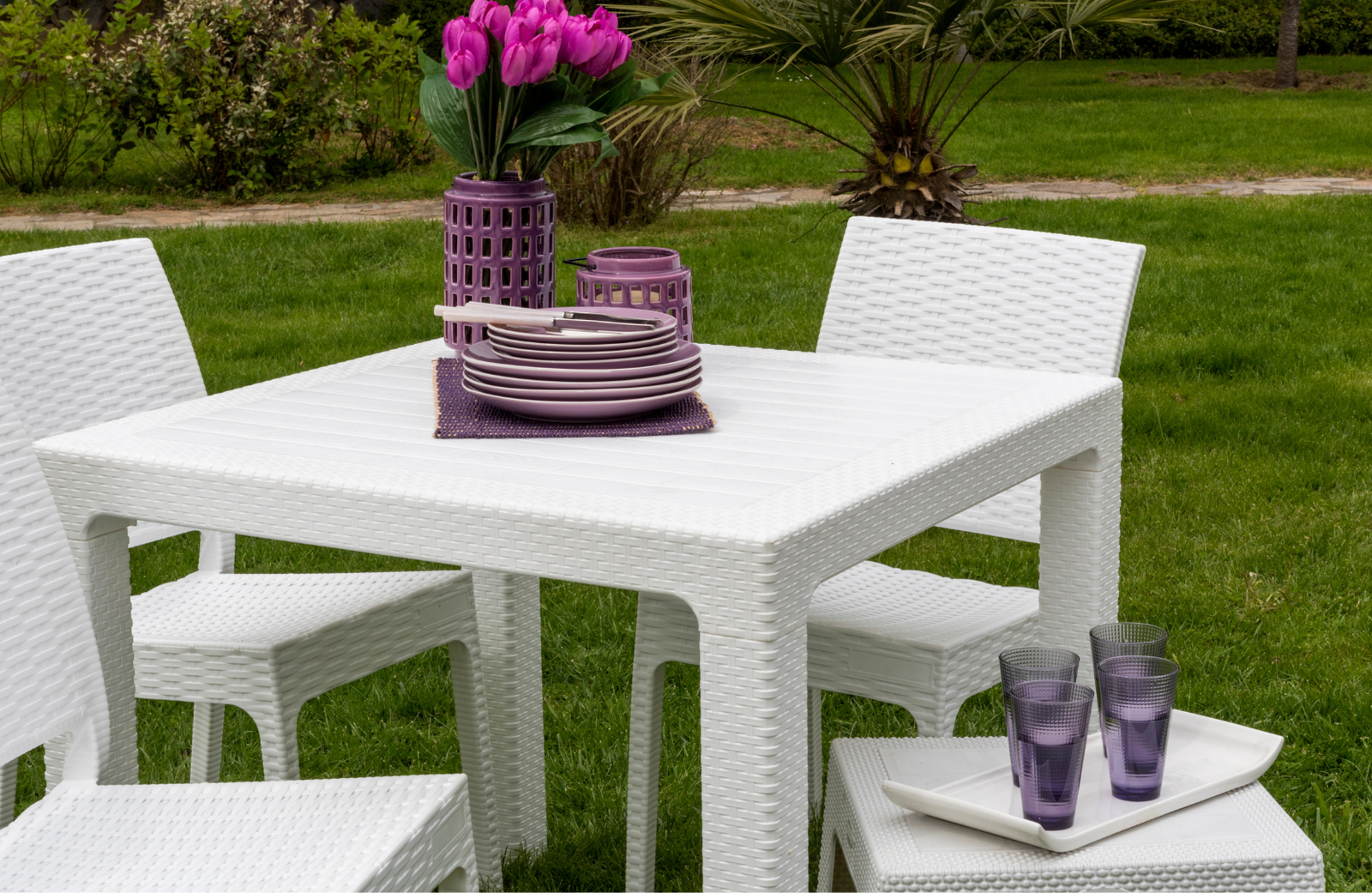
The part nobody sees is the part that decides how long the chair lasts.
Outdoor plastic furniture is exposed to continuous UV load, surface heating, rain cycles, and repeated mechanical stress — stacking, dragging, sitting. None of that is visible in the resin as it enters the hopper. A filler masterbatch is compounded into the polypropylene before molding specifically to change how the finished part behaves under exactly these conditions, rather than simply diluting the resin to reduce cost.
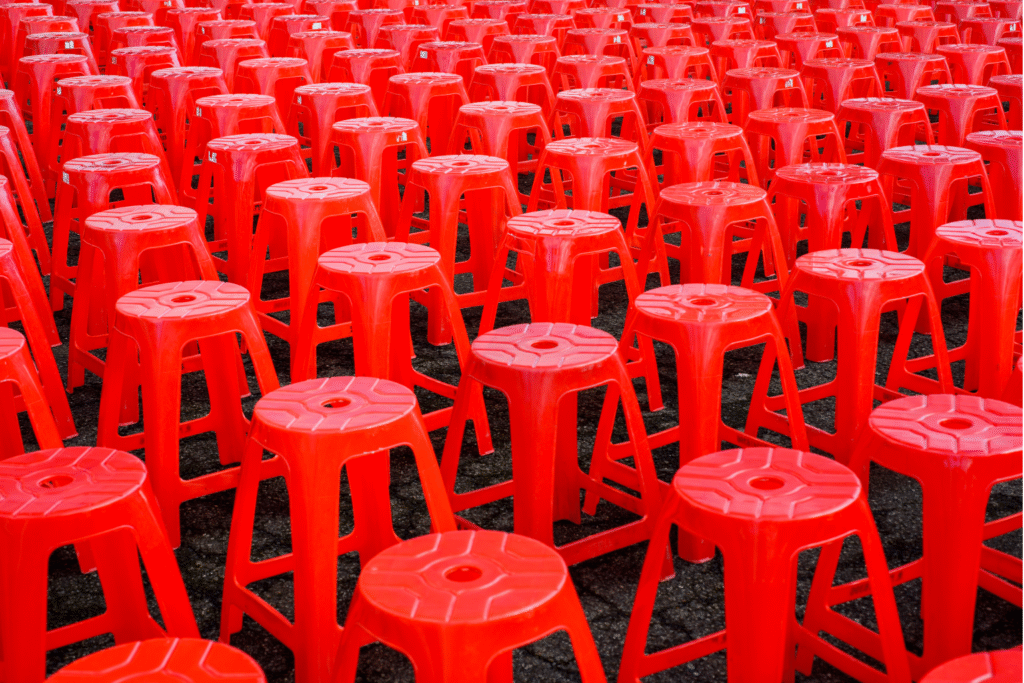
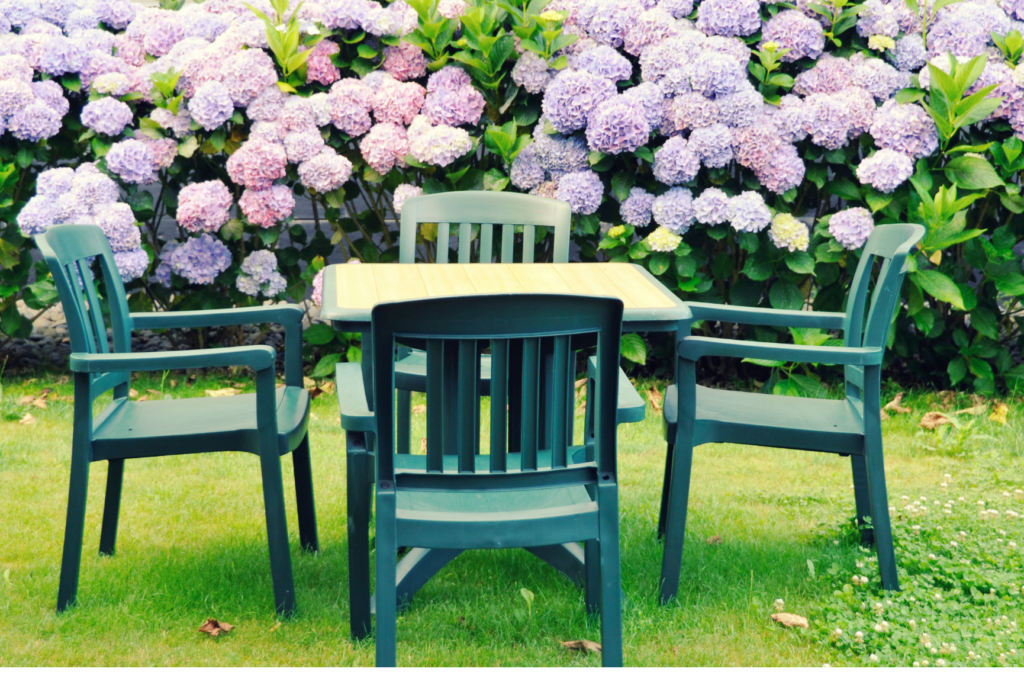
Formulated for dispersion, geometry, and repeatability — not just cost reduction.
Bajaj compounds micronized calcium carbonate with soapstone powder using modern extrusion technology, producing a masterbatch with a high degree of dispersion and precise, consistent pellet geometry. On a high-speed injection molding line, that consistency is what keeps cycle-to-cycle quality stable across a full production run of chairs, tables, and stools.
Three decades of compounding, built on ISO 9001:2015 process discipline.
Bajaj Plast Pvt. Ltd. has manufactured masterbatch solutions from its Nagpur, Maharashtra facility for over thirty years, operating under ISO 9001:2015 certification. That process discipline is what allows a filler compound like Plast Furniture Compound to hold tight tolerances on dispersion and pellet geometry, batch after batch, rather than varying with each production lot.
R&D-led formulation
Mineral loading ratios are engineered per application rather than applied as a generic filler recipe.
Quality department oversight
Dispersion and pellet consistency are checked against internal specification before dispatch.
30 years of compounding
Process knowledge accumulated across color, additive, filler, and white masterbatch lines.
What defines the compound at a technical level.
Micronized mineral fillers
Calcium carbonate and soapstone powder are micronized before compounding for fine, even distribution through the PP matrix.
High-dispersion pellet structure
Modern extrusion technology produces a compound engineered for a high degree of dispersion into the resin during processing.
Precise pellet geometry
Consistent pellet size and shape matter directly for feeding stability on high-speed injection molding lines.
PP-carrier compatibility
Built on a polypropylene carrier resin, matched to the base resin used across furniture and household molded parts.
1–8% dosage range
Loading percentage is adjustable within this range depending on molding machine and local climatic conditions.
RoHS compliant
Meets RoHS out of the box, with additional compliance documentation available on request for export markets.
From mineral powder to molded chair — four stages.
The compound moves through a controlled sequence before it ever reaches a mold cavity. Each stage is where a specific property — dispersion, geometry, thermal behavior, mechanical performance — gets built into the pellet.
Mineral preparation
Calcium carbonate and soapstone powder are micronized to a fine, controlled particle size ahead of compounding.
Extrusion compounding
Minerals are compounded into the PP carrier resin on modern extrusion equipment for uniform dispersion.
Pelletizing
The melt is cut into pellets with a controlled, repeatable geometry suited to high-speed injection feeders.
Injection molding
Pellets are pre-heated and dosed at 2–8% loading into the furniture mold, shaped into the finished part.
What it changes on the shop floor.
Lower material cost per part
The compound partially replaces virgin polypropylene resin, reducing material cost without changing the look or feel of the finished piece.
Smoother processing, fewer rejects
High dispersion into the resin matrix reduces processing inconsistencies and keeps output stable batch after batch.
Improved heat resistance
Outdoor furniture bakes in direct sun for hours; the compound helps the part hold its shape and properties under sustained heat.
Faster molding cycles
Better thermal conductivity in the compound shortens cycle time, increasing throughput on the same press.
Improved mechanical performance
Formulated to support impact and load handling — sitting, stacking, unstacking — rather than diluting mechanical strength.
A resource-efficiency lever, not just a cost play.
Because calcium carbonate and soapstone replace a portion of the polypropylene in each formulation, less petroleum-derived resin is used per unit of furniture produced. Both minerals are naturally occurring, which sits favorably against synthetic filler alternatives from a raw-material sourcing standpoint. Shortened molding cycles from improved thermal conductivity also mean lower energy use per part across a full production run, while consistent dispersion and pellet geometry reduce scrap from inconsistent parts.
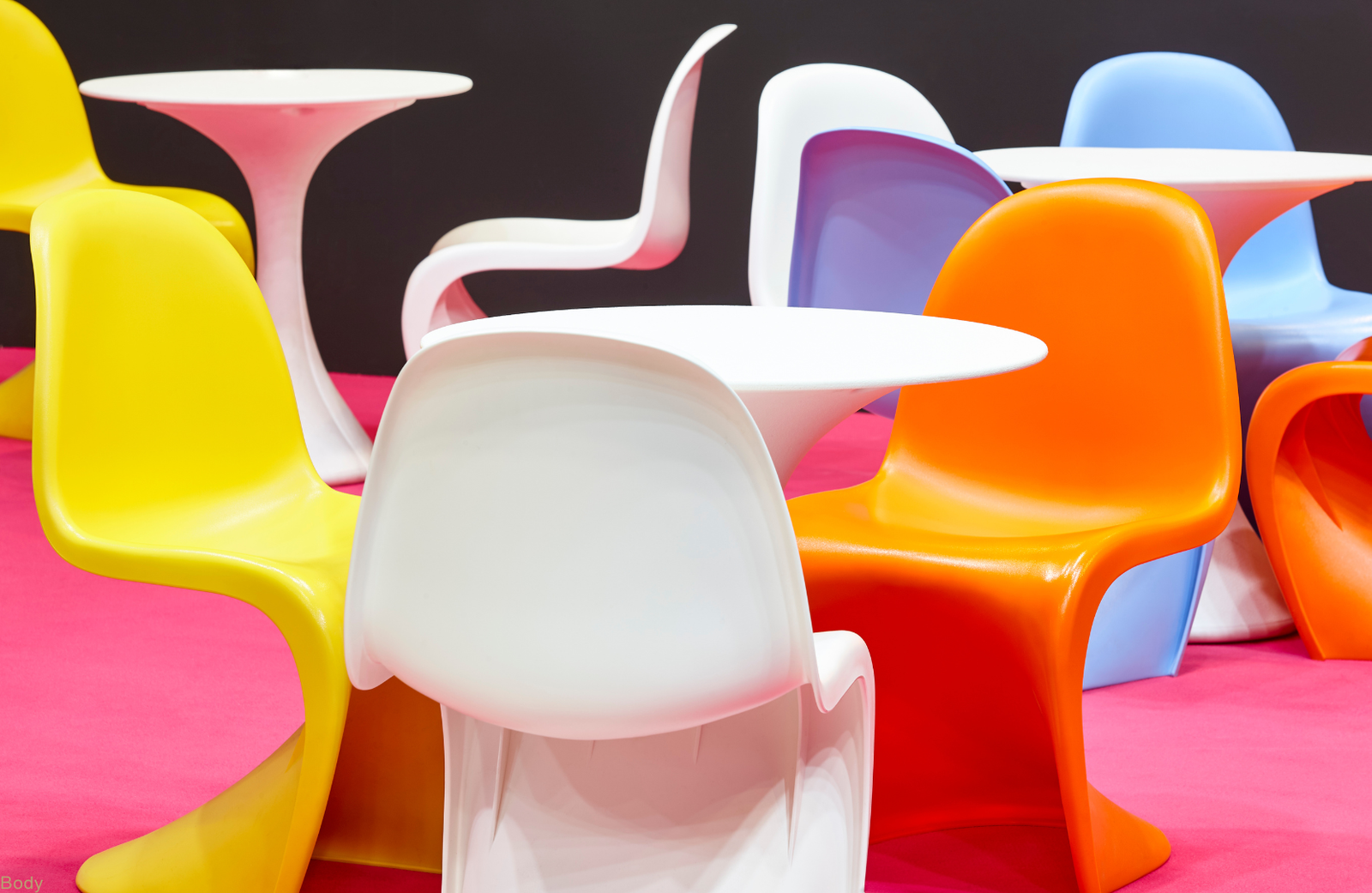
Anywhere PP injection molding meets furniture.
Storage and handling follow standard masterbatch practice: keep sealed 25 kg laminated PP woven bags in a well-ventilated, dry area, away from direct sunlight, to preserve dispersion quality before use.
Technical questions, answered directly.
1–8% is the recommended range, but the ideal loading depends on your molding machine and climatic conditions — Bajaj recommends running trials to fine-tune for your specific setup.
No. It's formulated to improve mechanical properties rather than act purely as a cost-cutting filler, though validating impact strength and tensile performance for your specific application is still worthwhile.
The carrier resin is polypropylene, so it's best suited to PP-based furniture and household formulations. Check compatibility directly for other base resins.
It's RoHS compliant as supplied. Additional certifications required by specific export markets can be requested separately.
In a well-ventilated, dry area away from direct sunlight, sealed in its original 25 kg laminated PP woven bag until use, to avoid moisture pickup.
Behind-the-scenes engineering, on every chair.
Cheaper to produce, faster to mold, tougher to break — the material science stays invisible so the furniture doesn't have to.
Bajaj Plast Furniture Compound BAJAJ PLAST PVT LTD