
Why Your Outdoor Plastic Furniture Needs the Right Masterbatch: A Closer Look at Bajaj Plast Furniture Compound
Bajaj Masterbatch | Technical Insights
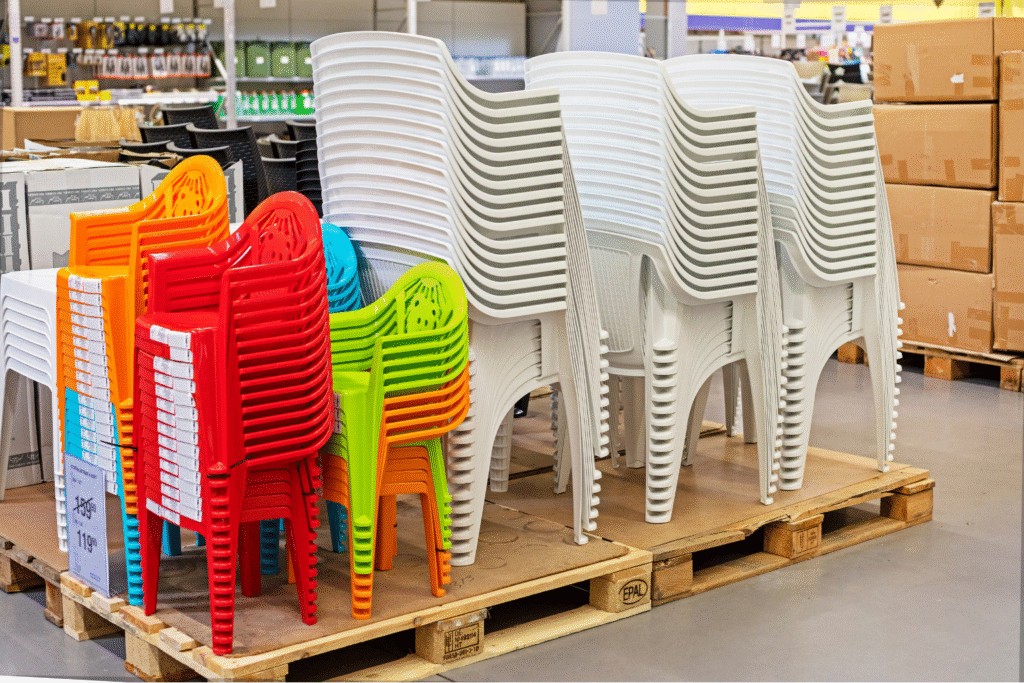
Walk into any garden, terrace, or café patio and you’ll likely spot them — stackable plastic chairs, round tables, and stools that have become the backbone of outdoor furniture around the world. They’re light, weatherproof, and affordable. But what most people don’t realize is that the real difference between a chair that cracks after one summer and one that lasts for years often comes down to what’s compounded into the plastic itself, long before it’s ever injection molded.
That’s where a well-engineered filler masterbatch like Bajaj’s Plast Furniture Compound comes in.
The Hidden Ingredient Behind Durable Outdoor Furniture
Outdoor plastic furniture faces a tough life. It sits in direct sun, absorbs heat, gets rained on, and is dragged around patios and gardens for years. Manufacturers need a compound that doesn’t just fill the resin to cut costs — it needs to actively improve how the furniture performs under these conditions.
Bajaj Plast Furniture Compound is formulated by compounding micronized calcium carbonate and soapstone powder using modern extrusion technology. The result is a compound with a high degree of dispersion and precise pellet geometry — which matters a lot when you’re running high-speed injection molding lines for chairs, tables, and stools.

What Makes This Compound Work for Furniture Molders
For anyone running an injection molding line for plastic furniture, a few practical benefits stand out:
1. Lower production costs.
Since the compound partially replaces virgin polypropylene resin, molders can reduce their material costs without compromising on the final product’s look or feel.
2. Better dispersion, smoother processing.
The compound is designed to disperse easily into the resin matrix, which means fewer processing headaches and more consistent output batch after batch.
3. Improved heat resistance.
Outdoor furniture bakes in the sun for hours. A compound with good heat resistance helps the finished product hold its shape and properties even under prolonged heat exposure.
4. Faster molding cycles.
By improving the plastic’s thermal conductivity, the compound helps shorten molding time and increase overall output — a big deal for manufacturers trying to maximize throughput on their molding presses.
5. Enhanced mechanical properties.
Chairs and tables need to handle real-world stress — people sitting down hard, tables being bumped, stools being stacked and unstacked repeatedly. The compound is formulated to help improve these mechanical characteristics rather than dilute them.
One practical tip from the technical data sheet: pre-heating the compound before use tends to give even better results, and the ideal loading percentage can vary depending on the molding machine and the local climate — so a bit of trial and adjustment on the shop floor pays off.
Where It's Used
The applications are exactly what you'd expect from a furniture-grade compound:
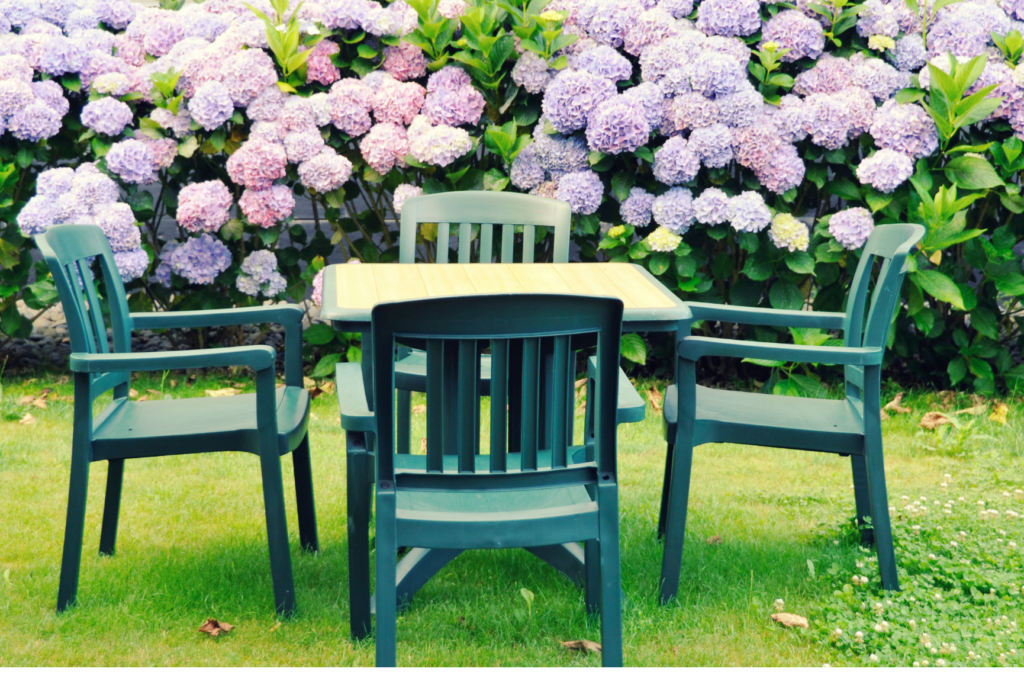
- Injection molded outdoor chairs (armchairs, stacking chairs, garden chairs)
- Round and rectangular outdoor tables
- Stools and step-stools
- Other household plastic products molded via injection
Basically, anywhere a manufacturer is running PP injection molding for furniture or household goods, this compound is designed to slot right into the existing process.
Compliance and Handling
The compound is RoHS compliant, and Bajaj notes that additional compliance documentation can be requested for specific regulatory needs — useful for manufacturers exporting furniture to markets with strict material regulations.
On the practical side, it’s supplied in 25 kg laminated PP woven bags, and should be stored in a well-ventilated, dry area away from direct sunlight — standard practice for any compounded masterbatch to preserve its properties before use.
The Sustainability and Cost-Efficiency Angle
Beyond performance, filler masterbatches like this one play a quiet but meaningful role in making plastic furniture production more resource-efficient.
Less virgin resin per part.
Since calcium carbonate and soapstone replace a portion of the polypropylene in each formulation, manufacturers use less petroleum-derived resin for the same volume of furniture produced.
Mineral-based fillers, not synthetic additives.
Calcium carbonate and soapstone are naturally occurring minerals, which is generally viewed more favorably than synthetic filler alternatives from a raw-material sourcing standpoint.
Efficiency gains reduce energy use.
Because the compound improves thermal conductivity and shortens molding cycles, molders can run presses more efficiently — using less energy per unit produced over a full production run.
Consistent quality reduces rejects
High dispersion and stable pellet geometry mean fewer inconsistent parts on the line, which translates to less scrap plastic and rework.
For manufacturers under pressure to balance cost, output, and increasingly, sustainability commitments to retailers and export customers, this combination of benefits makes filler compounds a practical lever — not just a cost play, but an efficiency and resource play too.
Frequently Asked Questions
How much Plast Furniture Compound should I use in my formulation?
The recommended dosage range is 1–8%, but the ideal loading depends on your specific molding machine and climatic conditions. Bajaj recommends running trials to fine-tune this for your setup rather than assuming a fixed percentage will work across all lines.
Does adding this compound weaken the plastic?
No — the compound is formulated to improve mechanical properties rather than simply act as a cost-cutting filler. That said, as with any additive, it’s worth validating impact strength and tensile performance for your specific application through your own testing.
Can this compound be used with resins other than polypropylene?
The compound’s carrier resin is polypropylene, making it best suited for PP-based furniture and household product formulations. If you’re working with a different base resin, it’s worth checking with Bajaj directly for compatibility.
Is this compound compliant for export markets?
It’s RoHS compliant out of the box. If your export market requires other specific certifications, Bajaj notes these can be requested separately.
How should the compound be stored before use?
Keep it in a well-ventilated, dry area away from direct sunlight. It’s supplied in 25 kg laminated PP woven bags, which should stay sealed until use to avoid moisture pickup.

The Bottom Line
Outdoor plastic furniture looks simple, but the material science behind it isn’t. A compound like Bajaj’s Plast Furniture Compound represents the kind of behind-the-scenes engineering that helps manufacturers make furniture that’s cheaper to produce, faster to mold, and tougher to break — without customers ever knowing the difference beyond just enjoying a sturdy chair on their patio for years to come.
For manufacturers looking to fine-tune their formulation, Bajaj recommends running trials to establish the right dosage for your specific machine setup and climate conditions, since these factors influence loading percentages in real production settings.
For more technical details or to request compliance documentation, reach out via www.bajajmb.com.
About Bajaj Plast Pvt. Ltd.
Bajaj Plast Pvt. Ltd. is a leading manufacturer of high-quality masterbatch solutions, dedicated to innovation, sustainability, and excellence. With a strong focus on customer satisfaction and cutting-edge technology, we are committed to delivering superior products that meet the evolving needs of the polymer industry.

 BAJAJ PLAST PVT LTD