
Improving Woven Sack Performance with UV Stabilizers and Slip Modifiers
Polypropylene (PP) and high-density polyethylene (HDPE) woven sacks are widely used across global supply chains because they offer an effective combination of affordability, strength, and versatility. However, prolonged sunlight exposure, repeated handling, and friction during processing or transportation can reduce their durability and shorten their service life. Specially engineered additives such as UV stabilizers and slip modifiers help address these challenges.
At Bajaj Masterbatch, we collaborate with woven sack manufacturers to develop additive formulations that improve outdoor durability, enhance processing efficiency, reduce friction-related issues, and extend the functional life of PP and HDPE woven structures. This article explains how these additives work, why they are essential, and how the right formulation can significantly improve woven sack performance under actual production and end-use conditions.
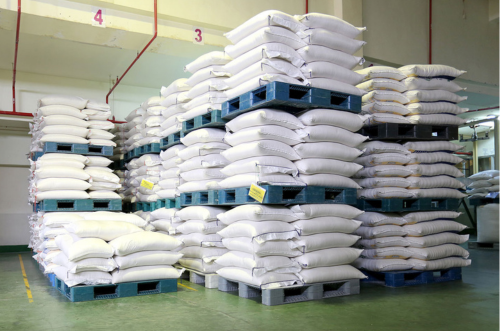
Understanding Additives Used in Woven Sack Production
PP and HDPE woven sacks are widely preferred across many industries because they provide an effective combination of strength, low weight, and cost efficiency. However, without proper additive protection, these polymer structures can deteriorate under prolonged UV exposure and may experience excessive friction during production, handling, storage, and transportation.
UV stabilizers and slip modifiers help overcome these limitations. UV additives protect the polymer from sunlight-related degradation and oxidation, while slip modifiers reduce surface friction and improve processing and handling characteristics. When used together, they help produce woven sacks with longer service life, smoother performance, and greater consistency across demanding supply-chain conditions.
Understanding Sunlight Damage in PP Woven Sacks
How Sunlight Affects Polypropylene
When PP is exposed to UV radiation, its molecular chains break down. This photo-oxidation weakens the structure, making sacks brittle and prone to cracking.
Visible Signs of UV Damage
Manufacturers commonly observe:
- Loss of flexibility
- Whitening or fading
- Cracks along folds
- Reduced tear resistance
These issues accelerate when sacks are stored outdoors for weeks or months.
Why UV Stabilizers Are Essential
UV stabilizers protect against sunlight-induced degradation by absorbing UV light or neutralising free radicals before they damage the polymer. This helps woven sacks maintain strength, appearance, and usability in outdoor conditions.
Types of UV Stabilizers Used in Woven Sacks
A streamlined look at the most effective stabilizer systems:
| UV Stabilizer Type | What It Does | Best For |
|---|---|---|
UV Absorbers | Absorb UV light and convert it into heat | Short- to medium-term outdoor exposure |
HALS (Hindered Amine Light Stabilizers) | Prevent chain breakdown and improve long-term stability | Extended outdoor storage, harsh climates |
Selecting the appropriate additive combination depends on factors such as the expected service life of the sack, the intensity of sunlight in the region, and the polymer composition being processed. Bajaj Masterbatch develops customized UV stabilization systems suited to specific end-use conditions while maintaining smooth processing, consistent colour, and reliable product performance.
Key Benefits of UV Stabilizers in Woven Sack Durability
UV stabilizers deliver measurable improvements in:
Longer Outdoor Life
Sacks remain stronger and more flexible even after prolonged sunlight exposure.
Strength Retention
Mechanical properties such as tensile strength and elongation remain stable.
Preserved Printing and Branding
Colours stay vibrant, ensuring brand integrity.
Reduced Brittleness and Cracking
Stabilized sacks resist fold-line failure and cracking during handling.
The Role of Slip Modifiers in Smooth Sack Processing
Why Woven Sacks Experience Excessive Surface Friction
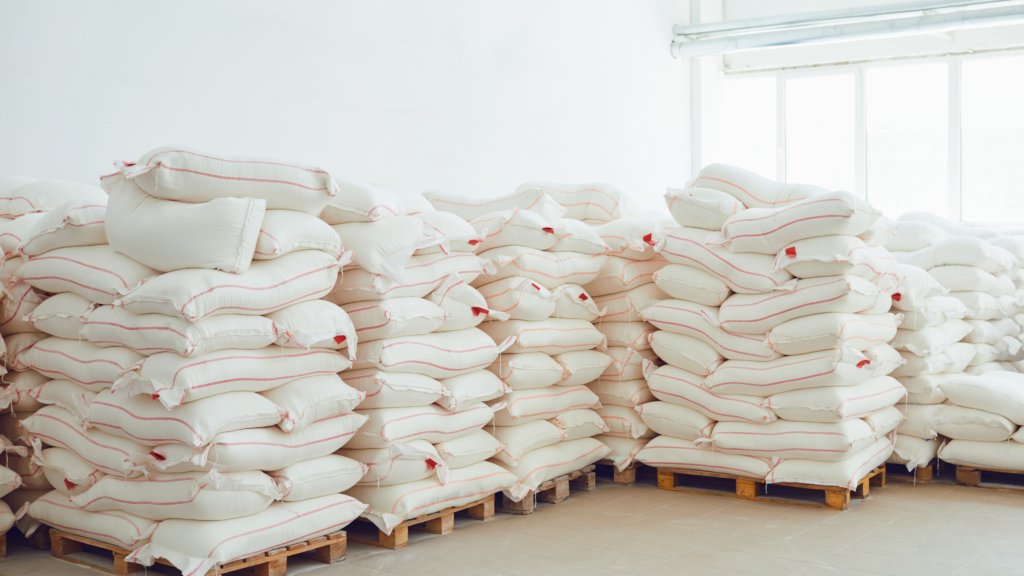
Freshly extruded PP and HDPE surfaces often have a naturally high coefficient of friction. This can create difficulties during sack filling, stacking, conveying, and other automated handling operations.
How Slip Masterbatches Reduce Friction in Woven Sacks
Slip additives migrate to the surface and create a controlled lubrication effect that lowers the coefficient of friction (COF). This allows sacks to glide more easily during processing and handling.
Impact on Machine Efficiency
Balanced slip ensures:
- Faster filling cycles
- Smoother conveyor transfer
- Fewer interruptions on conversion lines
- Better stacking accuracy
This enhances productivity without affecting printability or bag appearance.
Benefits of Slip Additives Across Manufacturing and End Use
Slip additives enhance woven sacks by improving:
Smooth Bag Opening and Filling
Lower friction supports high-speed filling lines.
Better Stacking and Transportation
Sacks slide and settle evenly, reducing transport losses.
Reduced Wear During Handling
Less abrasion preserves sack integrity and branding.
Improved Overall Workflow
From extrusion to end-use, operations run more predictably and efficiently.
Why UV Stabilizers and Slip Modifiers Work Better Together
Enhanced Durability Meets Enhanced Usability
UV stabilizers protect the polymer; slip additives protect the process. Together, they create sacks that last longer and move better.
Lower Production Losses
Fewer rejects, fewer line stops, and more stable handling reduce overall manufacturing cost.
Better Customer Experience
End users receive sacks that remain strong, flexible, and easy to handle throughout their lifecycle.
Selecting the Right Masterbatch for Woven Sacks
Choosing the right additive solution requires attention to several formulation factors:
Compatibility with PP/HDPE Resin
Carrier resin must match the base polymer for perfect dispersion.
Required Additive Loadings
Correct dosage ensures balanced stabilization without affecting extrusion behaviour.
Importance of Dispersion Quality
Uniform dispersion ensures every sack performs consistently.
Custom Formulations for Specialised Applications
Bajaj Masterbatch creates customized additive formulations tailored to specific outdoor exposure conditions, production requirements, and targeted coefficient of friction levels.
Industries That Benefit from UV & Slip-Enhanced Woven Sacks
Each industry relies on woven sacks differently, and UV + slip enhancements contribute to performance in unique ways:
Agriculture & Fertilizer Packaging
Outdoor storage and heavy loads make UV protection essential. Slip modifiers support easier handling during field distribution and warehouse loading.
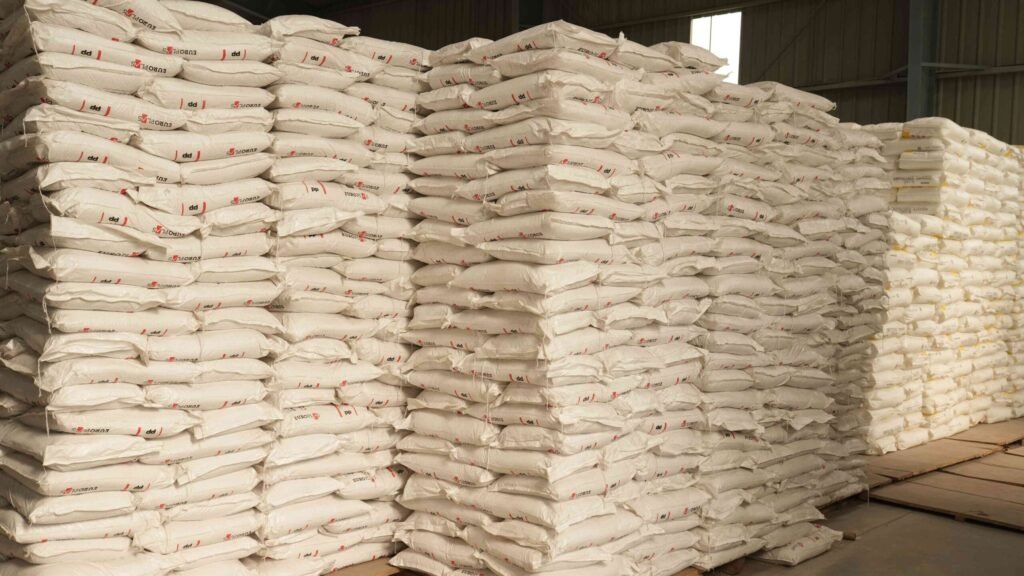
Food Grains & Pulses
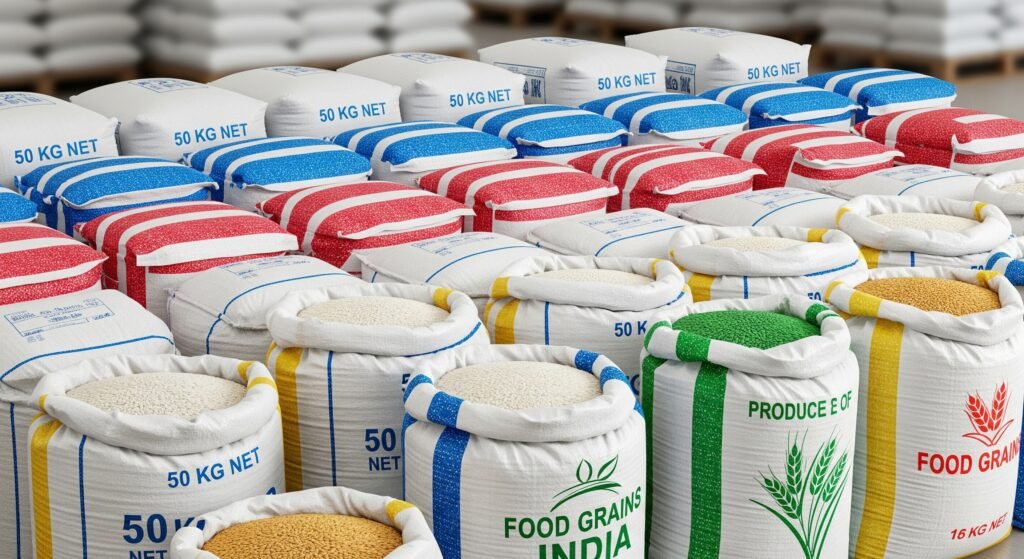
Maintains hygiene and structural reliability. Slip ensures smooth filling, while UV packages prevent polymer chalking during transport.
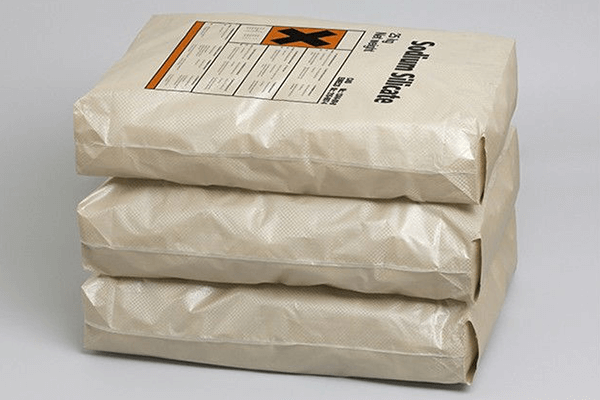
Cement & Construction Materials
Heavy, abrasive material strains sacks. UV stabilizers preserve flexibility under sunlight; slip additives reduce drag during unloading.
Chemical & Industrial Powders
Requires packaging that resists long-term brittleness and multiple handling cycles. Slip-modified surfaces improve flow through automated systems.
Consumer Commodities
Frequent conveyor movement and humidity exposure make slip and UV protection key to preserving appearance and durability.
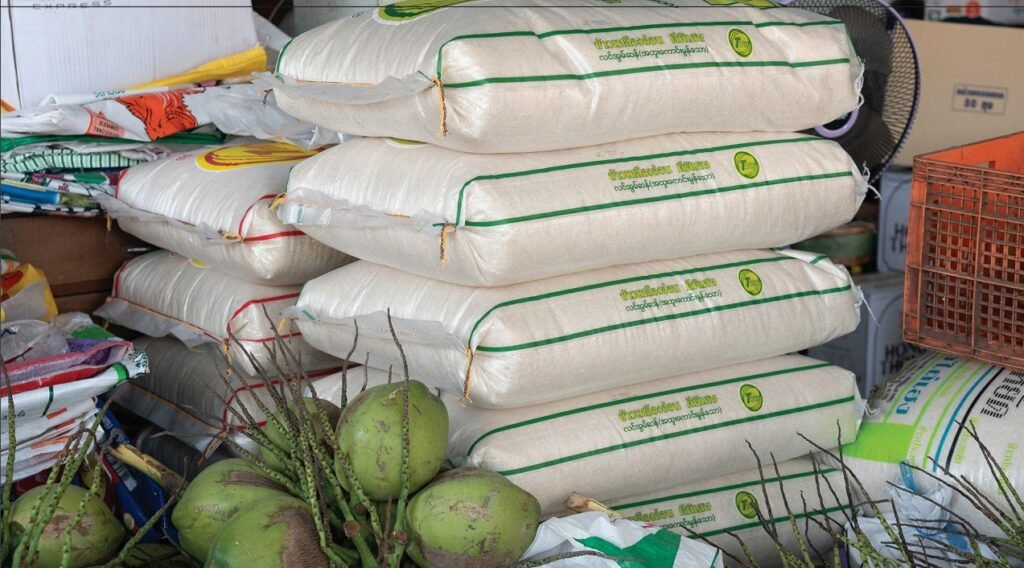
Export & Logistics
Long-distance shipping exposes sacks to multiple climates. UV systems prevent premature failure, and slip supports stable loading into containers.
Conclusion
UV stabilizers and slip modifiers transform the performance of woven sacks, extending their life, improving handling, and strengthening their reliability across an array of conditions. Through well-engineered formulations, Bajaj Masterbatch helps manufacturers deliver woven sacks that perform consistently from extrusion and filling to outdoor storage and long-distance distribution.
About Bajaj Plast Pvt. Ltd.
Bajaj Plast Pvt. Ltd. is a leading manufacturer of high-quality masterbatch solutions, dedicated to innovation, sustainability, and excellence. With a strong focus on customer satisfaction and cutting-edge technology, we are committed to delivering superior products that meet the evolving needs of the polymer industry.
