
TiO2 White.
Brilliance engineered.
A high-purity, pigment-dense concentrate engineered for exceptional optical density, thermal integrity, and rheological precision across commodity and engineering thermoplastics.
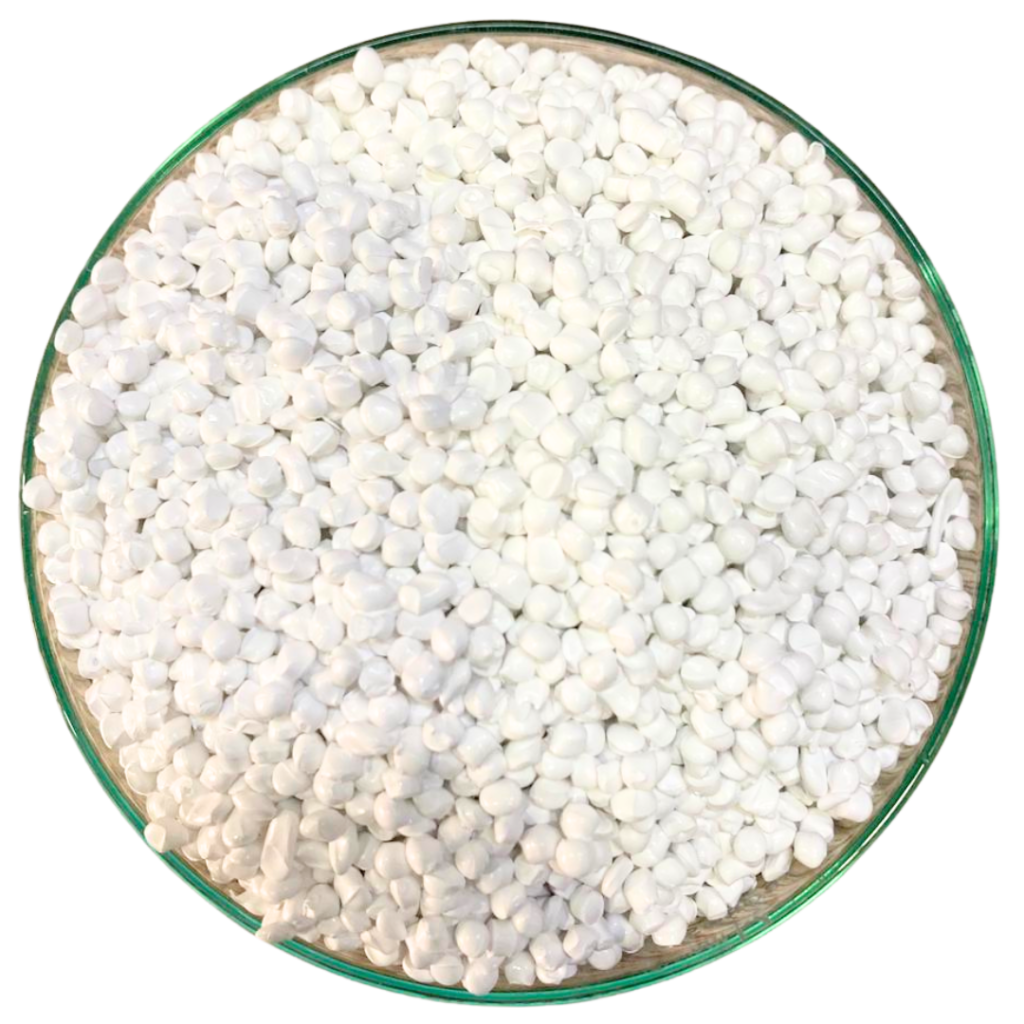
The pigment of light itself.
Polymers in their native state are typically translucent and chromatically inconsistent. Introducing titanium dioxide—engineered in its rutile crystalline form—transforms the substrate through high-magnitude back-scattering of visible-spectrum radiation, delivering opacity, whiteness, and hiding power unattainable through neat pigment dosing.
Direct powder addition introduces severe dispersion liabilities: agglomeration, screw wear, operator exposure, and inconsistent chromaticity. A pre-dispersed masterbatch resolves this by encapsulating TiO₂ within a rheologically tuned carrier resin, enabling molecular-scale uniformity at the melt phase.
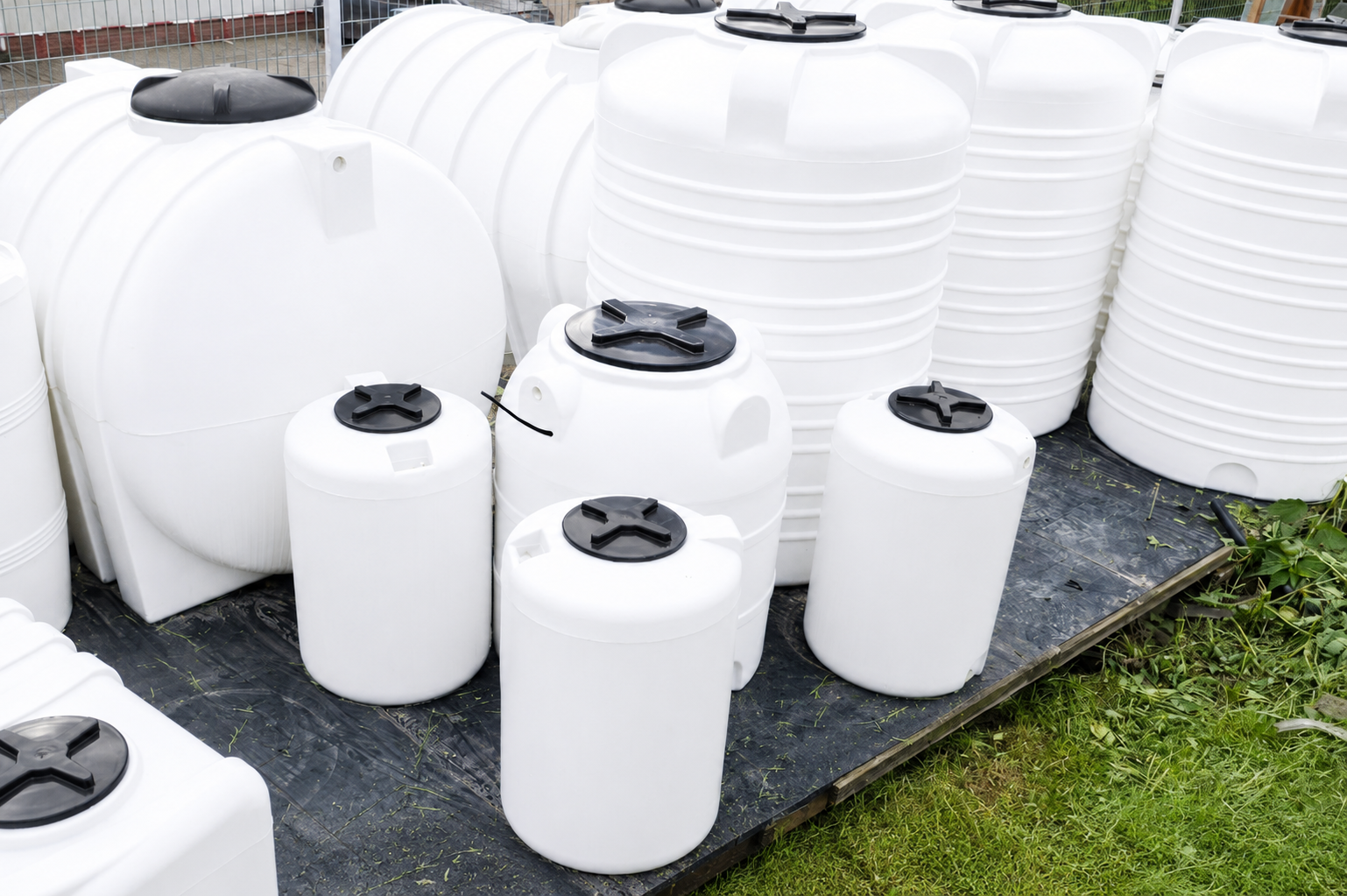
Compounded with precision.
Formulated without compromise.
Formulated with surface-treated rutile-grade Titanium Dioxide and compounded via high-torque co-rotating twin-screw extrusion under controlled shear and thermal gradients—delivering refractive index control, morphological uniformity, and film integrity under the most demanding process cycles.
A masterbatch tuned to your process window.
Every formulation is matched to host-polymer MFR, shear profile, and die geometry—so your line runs faster, cleaner, and to tighter tolerance.
Rheology-matched
carrier systems.
Carrier resins are tuned to align with the MFR window of host polymers, minimizing screw torque build-up and die-swell in extrusion, blow-molding, and injection-molding operations.

Surface-treated
rutile pigment.
Advanced wetting agents, compatibilizers, and interfacial modifiers produce uniform TiO₂ distribution at micro and nano scales—eliminating surface bloom and pigment agglomeration in packaging films.
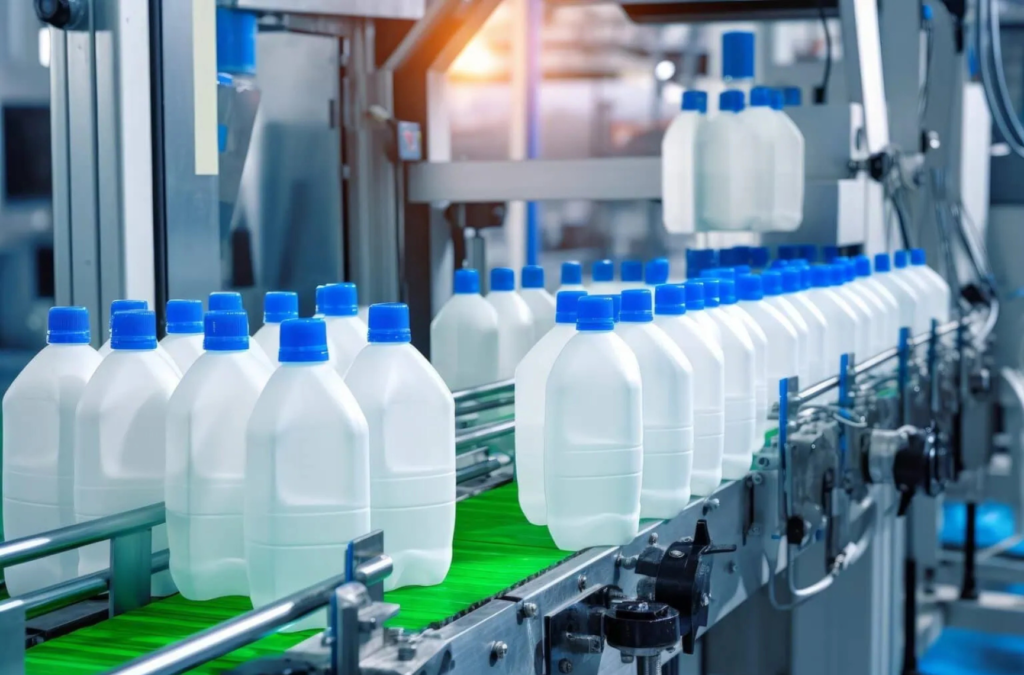
Specified. Compounded. Formulated.
Each grade is engineered against a defined rheological, optical, and thermal specification—verified by in-line quality monitoring on every lot.
High Refractive Index
Rutile TiO₂ delivers an n-value of ~2.73, maximizing back-scattering efficiency and Total Luminous Reflectance across varied gauge thicknesses.
Thermo-Oxidative Stability
Processing stability up to 300°C. Formulated carrier and stabilizer system resists chain scission under high-shear extrusion cycles.
Shear Viscosity Alignment
Low torque resistance and die-pressure equilibrium enable thin-gauge blown films, multilayer co-extrusion, and high-speed injection cycles.
Excellent FPV Ratings
Optimized Filter Pressure Value performance for BOPP, non-wovens, and high-cavitation molding where dispersion quality is critical.
Photo-Stability
Chemically coated TiO₂ inhibits free-radical generation, extending weathering resistance for geo-membranes, FIBC liners, and greenhouse films.
Non-Migratory System
Non-blooming pigment chemistry—inert to acids, alkalis, peroxides—ideal for barrier films, medical disposables, and food-contact applications.
Low Yellowness Index
Tight ΔE control lot-to-lot. Calibrated under D65 illuminant to deliver batch consistency across production campaigns.
Up to 75% TiO₂ Loading
Ultra-high loading on PE / PP carriers enables reduced dosage, lower cost-per-part, and maximized opacity at minimal film thickness.
Real-Time In-Line QC
Continuous monitoring of MFI, pigment dispersion, moisture content, and colorimetry—traceable certificates of analysis on every batch.
Measured where it matters.
Benefits quantified at the line: improved output rates, lower reject ratios, tighter color tolerances, and extended service life in-field.
Opacity without over-loading.
Engineered for maximal back-scattering of visible light, the formulation achieves higher Total Luminous Reflectance at lower dosage rates—meaning thinner films, lighter parts, and reduced material consumption per unit opacity.
- Hiding Power achieved at 2–4% let-down
- Reduced lamp-shadow effect in translucent applications
- Superior print fidelity on laminated films

Faster lines. Tighter tolerances.
Pre-dispersed, melt-compatible delivery eliminates operator dosing variance and agglomeration-induced screen-pack pressure spikes. The result: longer production runs between changeovers and measurably lower scrap rates.
- Lower screen-pack pressure rise over shift
- Reduced die-lip build-up in blown-film lines
- Stable melt output across SKU changeovers
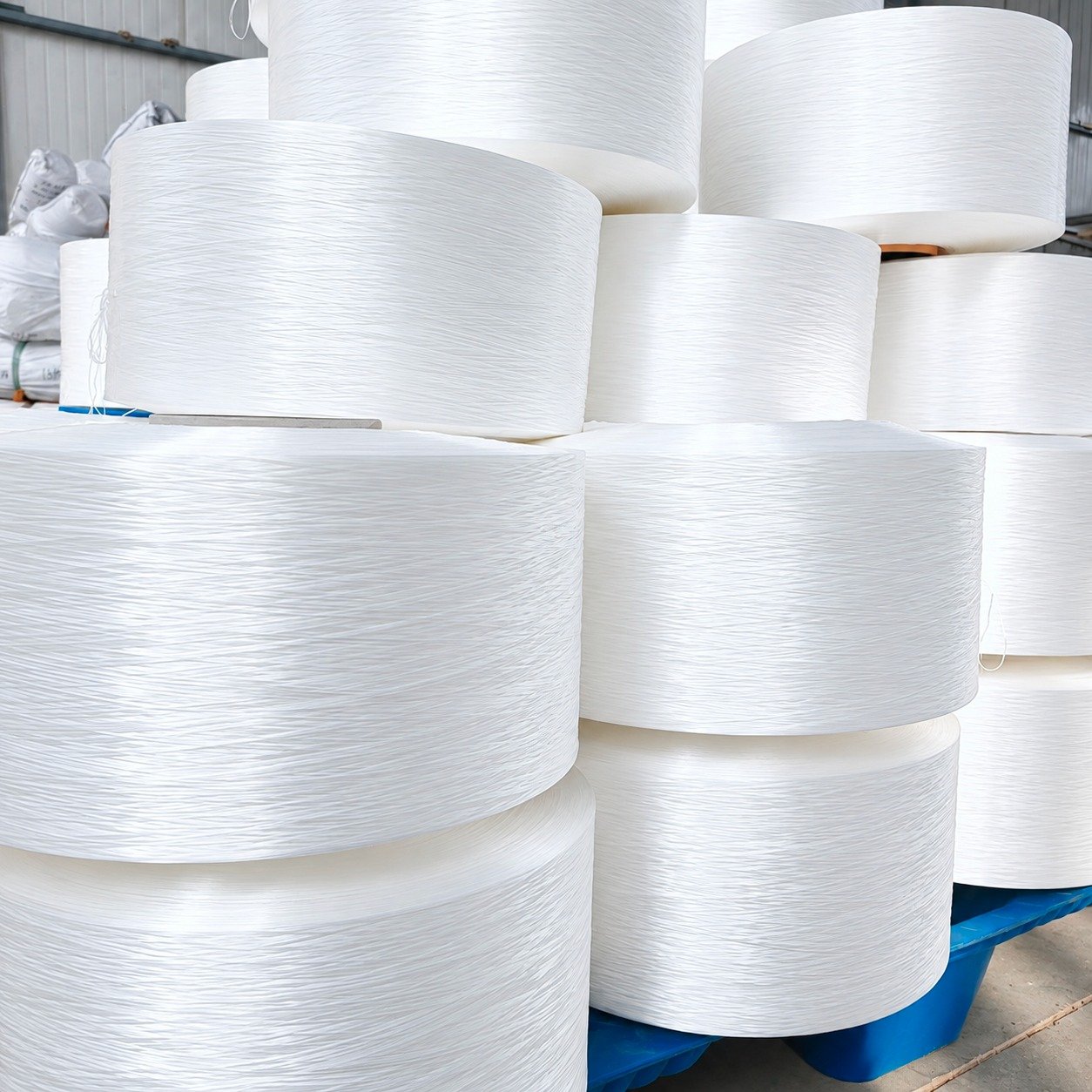
Engineered to endure.
Photo-stabilized rutile chemistry combined with radical-inhibited carrier systems prevents chain scission and surface chalking. Finished parts retain whiteness index and mechanical integrity through extended UV and thermal cycling.
- Retained whiteness under accelerated weathering
- Preserved tensile properties across service life
- Resistance to chalking, bloom, and pigment migration
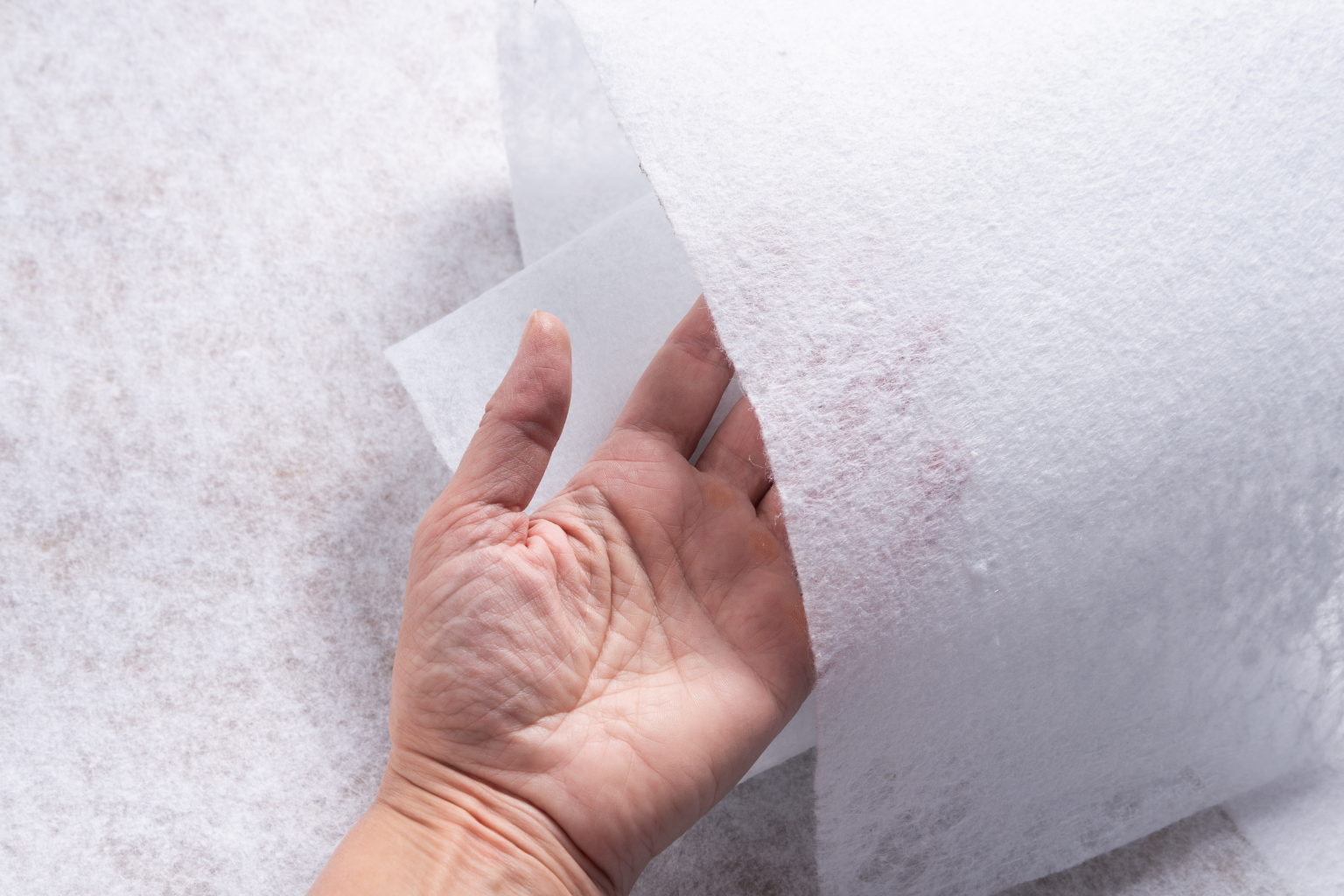
From powder to pellet, under control.
A four-stage compounding pipeline governed by shear, thermal, and residence-time control—engineered to eliminate agglomeration at the molecular level.
Raw-Material Assay
Incoming rutile TiO₂ and carrier resins validated for particle-size distribution, moisture content, and MFR range prior to compounding.
Twin-Screw Compounding
Co-rotating high L/D twin-screw extrusion under controlled shear and temperature zones—integrating dispersion aids and interfacial modifiers.
Melt Homogenization
Surface-active wetting chemistry eliminates TiO₂ agglomeration, producing uniform pigment distribution at micro and nano scales.
Strand Cut & QC
Pelletized, dried, and subjected to in-line MFI, FPV, dispersion, and colorimetric analysis before release with traceable CoA.
Wherever polymer meets purpose.
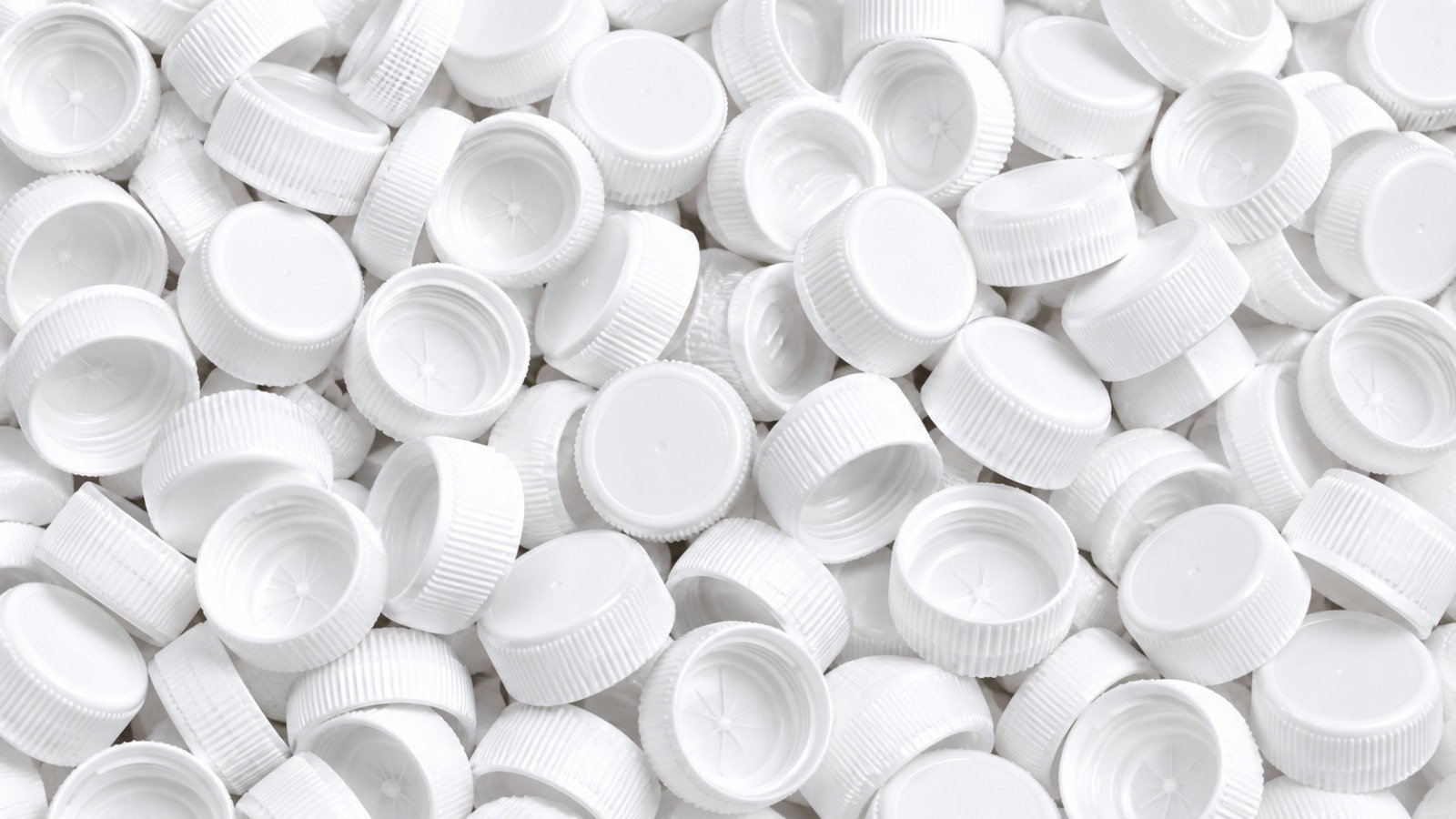
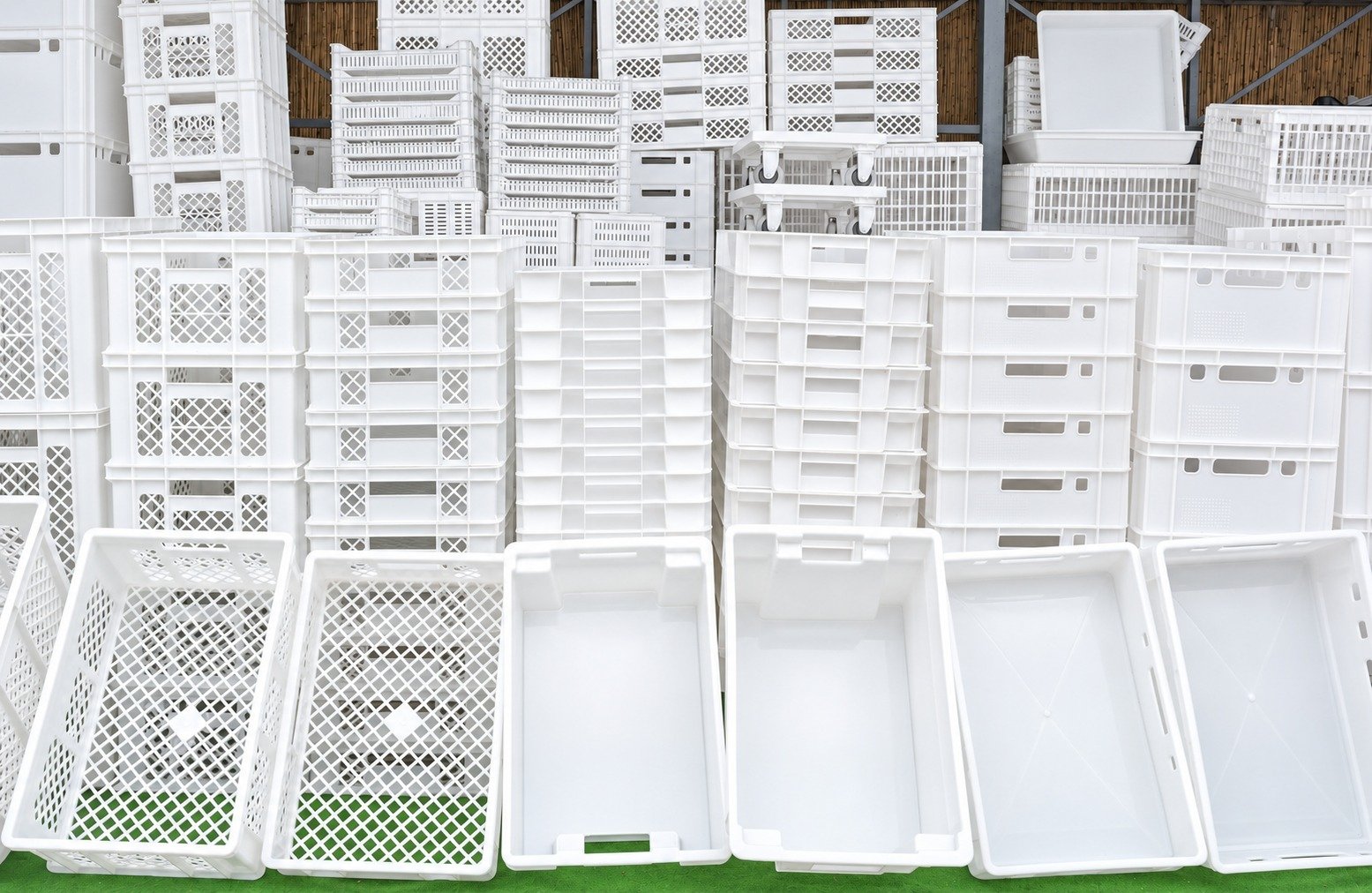
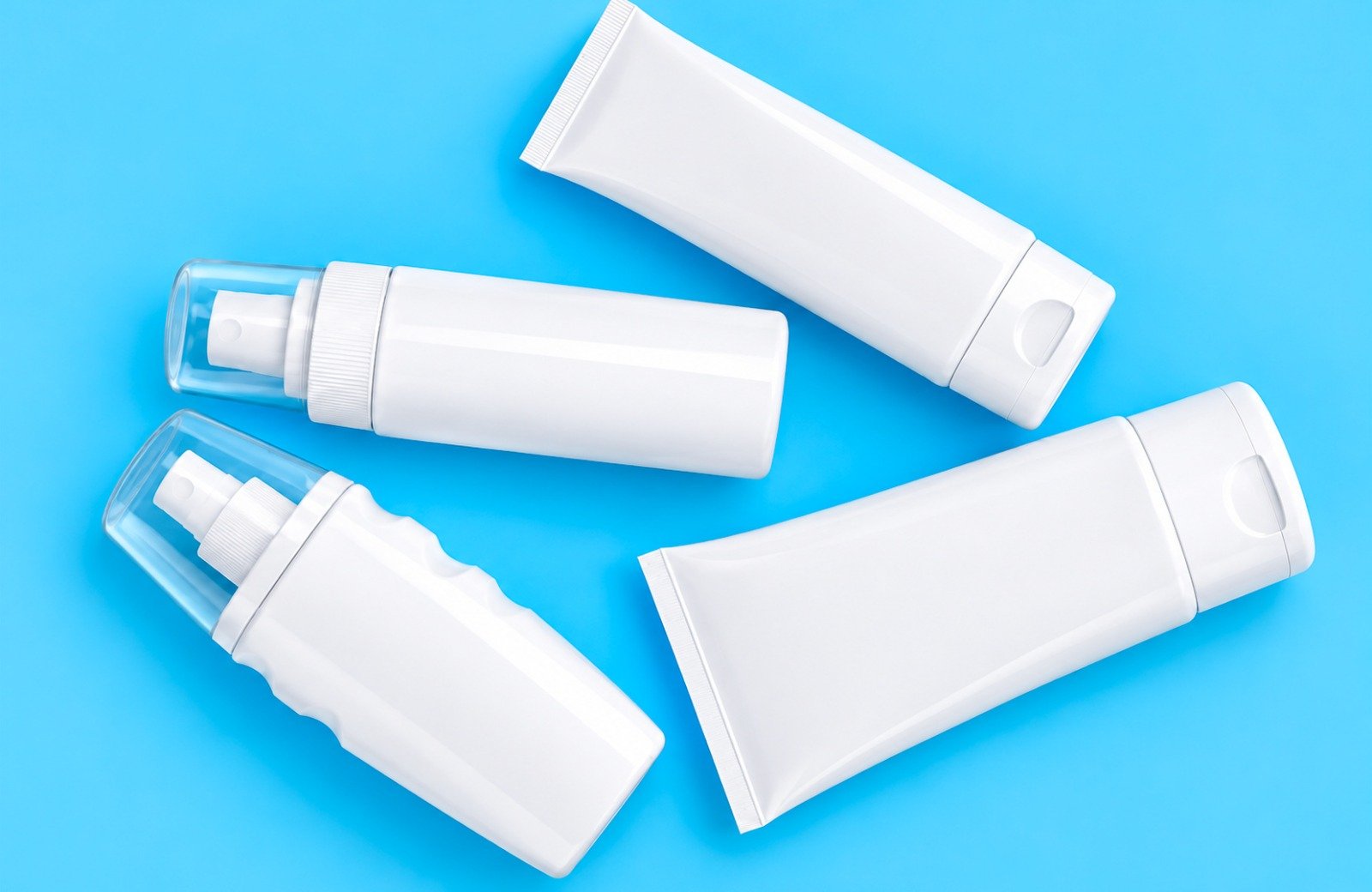
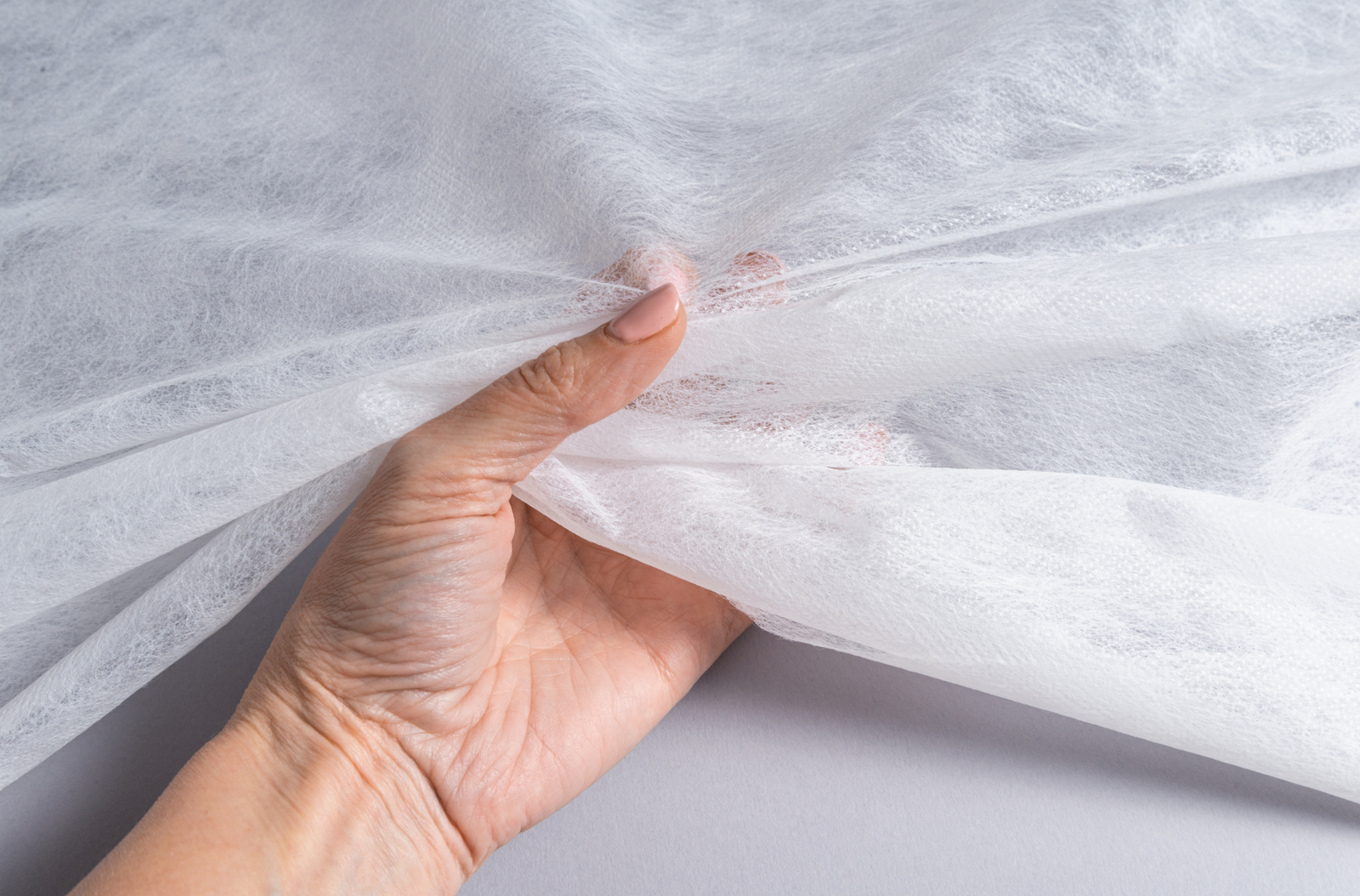
Formulations tailored to each conversion process—injection molding, blow molding, cast and blown film, BOPP, raffia, non-wovens, thermoforming, and more.
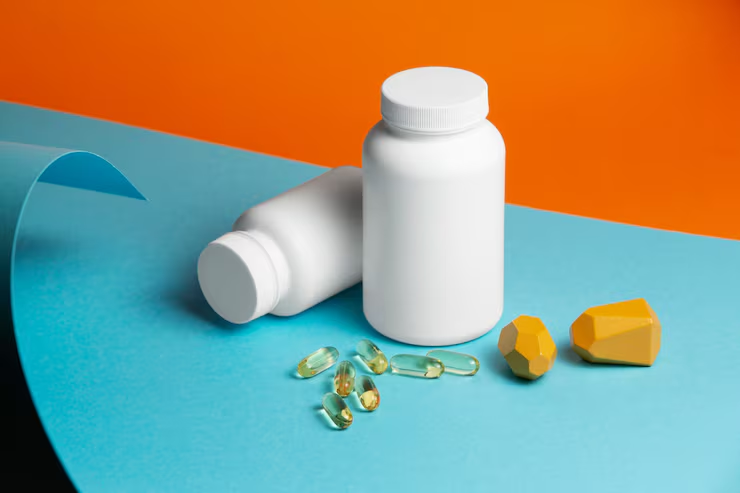
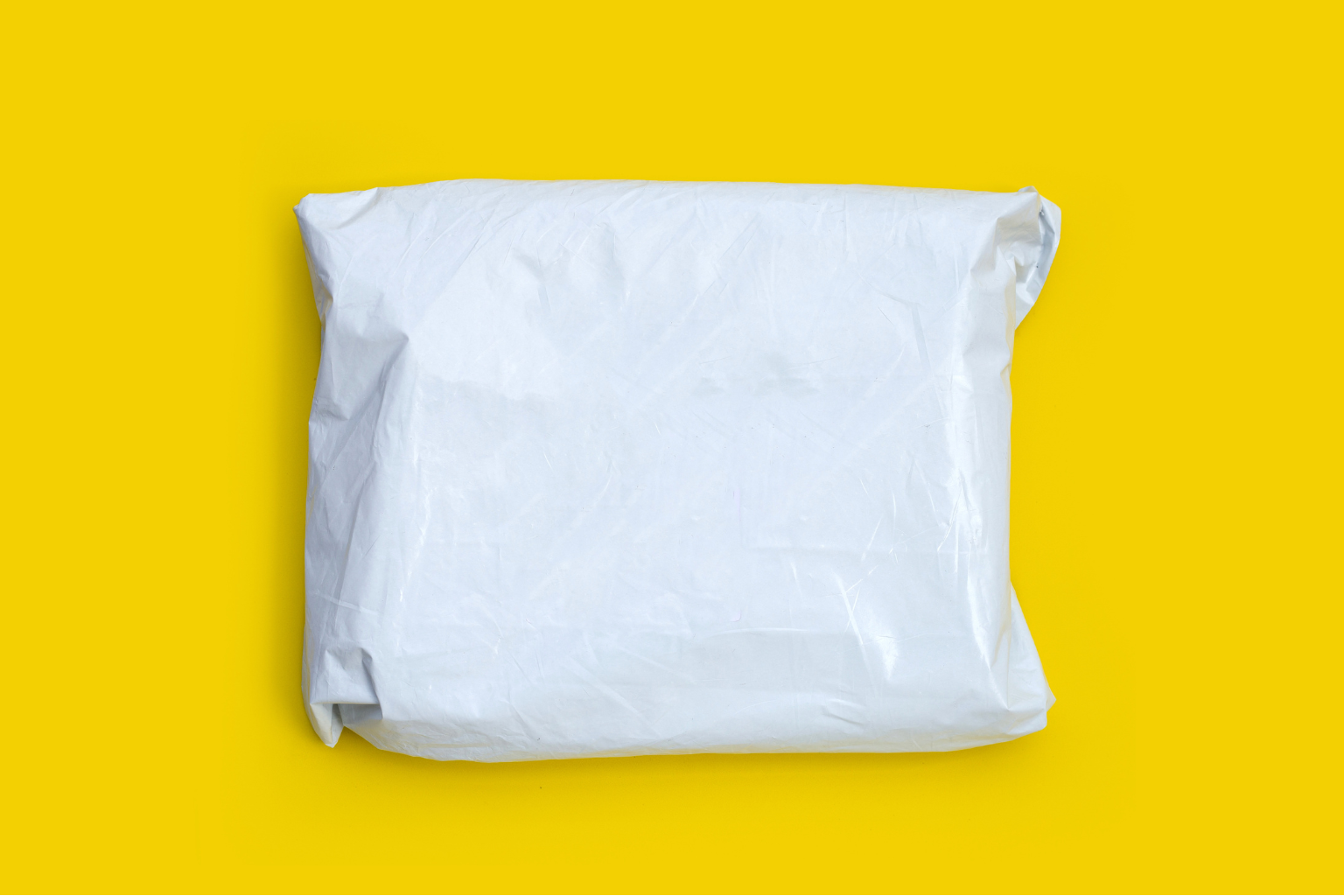

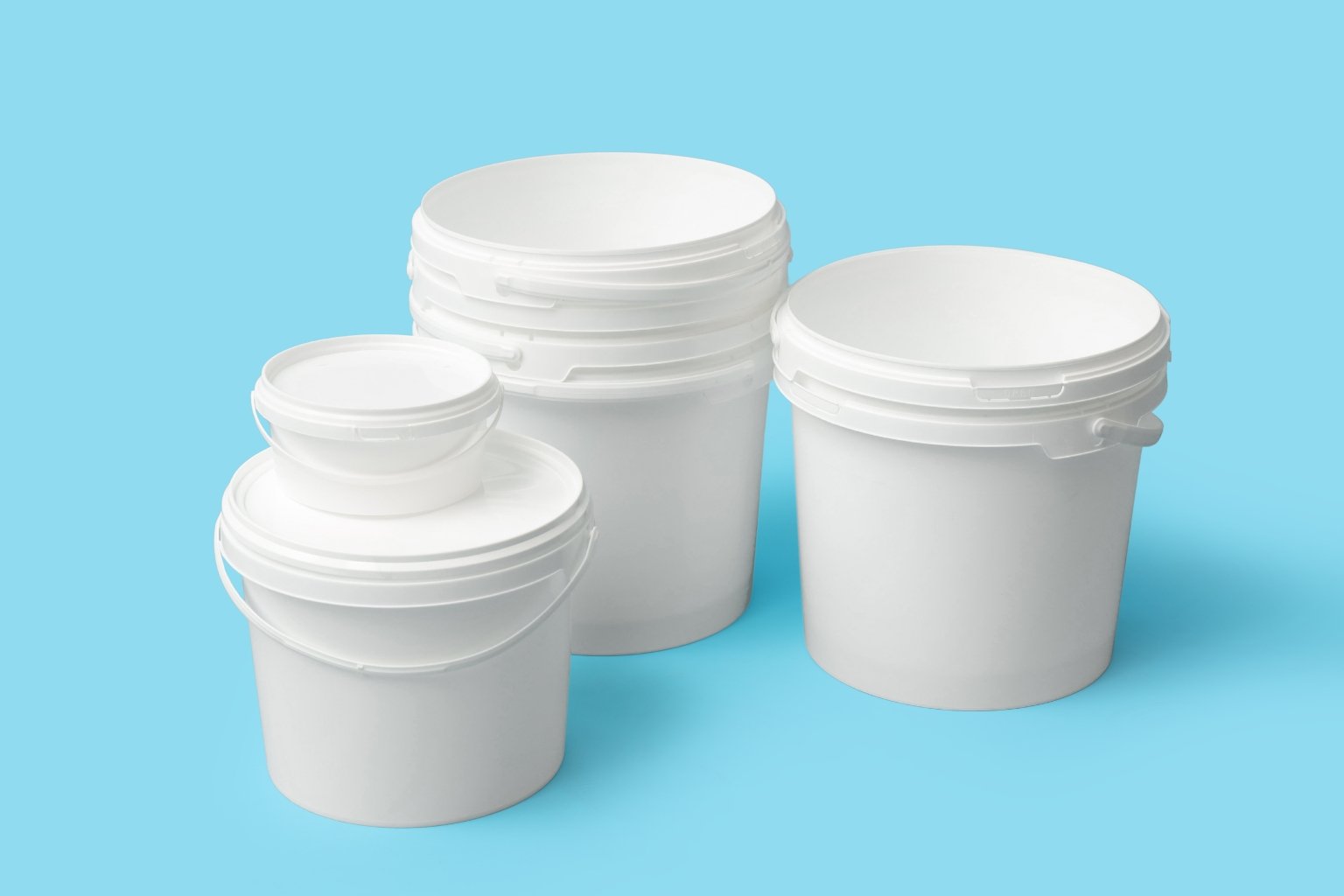
A grade for every process.
Product range from 50% to 75% TiO₂ on PE carriers—mapped against conversion processes to simplify selection.
| Grade Code | Carrier | TiO₂ % | Monolayer | Multilayer | BOPP | Tanks | Blow Mold | Inj. Mold | Raffia |
|---|---|---|---|---|---|---|---|---|---|
| PLAST SUPER 50-157 | PE | 50 | ✓ | ✓ | |||||
| PLAST SUPER 50-143 | PE | 50 | ✓ | ✓ | |||||
| PLAST SUPER 132 | PE | 50 | ✓ | ✓ | ✓ | ✓ | ✓ | ||
| PLAST SUPER 177 | PE | 65 | ✓ | ✓ | ✓ | ||||
| PLAST SUPER 70-160 | PE | 70 | ✓ | ✓ | |||||
| PLAST SUPER 131 | PE | 70 | ✓ | ✓ | ✓ | ✓ | ✓ | ✓ | |
| PLAST SUPER 141 | PE | 70 | ✓ | ||||||
| PLAST SUPER 175 | PE | 75 | ✓ | ✓ | |||||
| PLAST SUPER 75-150 | PE | 75 | ✓ | ✓ |
Available White Masterbatch Grades
Explore TiO₂ concentrations and applications across our PE-carrier white masterbatch range.
50%
White Masterbatch
TiO₂ loading · PE carrier
Monolayer and multilayer films, water tanks, blow moulding and injection moulding.
65%
White Masterbatch
TiO₂ loading · PE carrier
Multilayer films, water tanks and injection moulding.
70%
White Masterbatch
TiO₂ loading · PE carrier
Monolayer and multilayer films, BOPP, water tanks, blow moulding, injection moulding and raffia.
75%
White Masterbatch
TiO₂ loading · PE carrier
Monolayer and multilayer films.
45%
White Masterbatch
TiO₂ loading · PE carrier
Multilayer films, water tanks and injection moulding.
40%
White Masterbatch
TiO₂ loading · PE carrier
Monolayer and multilayer films, BOPP, water tanks, blow moulding, injection moulding and raffia.
60%
White Masterbatch
TiO₂ loading · PE carrier
Monolayer and multilayer films, BOPP, and raffia.
55%
White Masterbatch
TiO₂ loading · PE carrier
Monolayer and multilayer films, BOPP.
Product Solutions by Processing Technology
Find white masterbatch grades for your conversion process.
Injection Moulding Solutions
- PLAST SUPER 50-157
- PLAST SUPER 132
- PLAST SUPER 177
- PLAST SUPER 131

Blow Moulding Solutions
- PLAST SUPER 132
- PLAST SUPER 131

Water Tank Solutions
- PLAST SUPER 132
- PLAST SUPER 177
- PLAST SUPER 131
Woven Sack & Raffia Solutions
- PLAST SUPER 131

Monolayer Film Solutions
- PLAST SUPER 50-143
- PLAST SUPER 132
- PLAST SUPER 70-160
- PLAST SUPER 131
- PLAST SUPER 175
- PLAST SUPER 75-150
Multilayer Film Solutions
- PLAST SUPER 50-157
- PLAST SUPER 50-143
- PLAST SUPER 132
- PLAST SUPER 177
- PLAST SUPER 70-160
- PLAST SUPER 131
- PLAST SUPER 175
- PLAST SUPER 75-150
BOPP Film Solutions
- PLAST SUPER 141
Three decades of compounding discipline.
An ISO 9001:2015 certified, vertically integrated manufacturer serving converters, compounders, and OEMs across packaging, agriculture, infrastructure, and medical sectors.

Batch-to-Batch Consistency
Precision-controlled production lines ensure measurable uniformity across every lot.

Tailor-Made Solutions
Formulations designed around your machine architecture and end-use specification.

Zero Compromise on Purity
High-purity TiO₂ and virgin-grade carrier resins only. No regrinds, no substitutes.

In-House Testing Lab
Each batch validated for FPV, yellowness index, and dispersion quality prior to dispatch.

Global Export Capabilities
Compliant with RoHS, REACH, FDA, and regional regulatory frameworks worldwide.
Compliance & Certification
The invisible layer behind every visible advantage.
Beyond whiteness, a correctly formulated TiO₂ masterbatch is a structural element: it governs UV resistance, thermal ageing, barrier performance, and the aesthetic fidelity of the finished part. In short—it determines whether the end-product holds its spec in the field.
From food-grade packaging to high-cavitation BOPP, from UV-exposed agricultural films to high-temperature injection-molded parts, the choice of masterbatch is the difference between parts that perform and parts that fail.
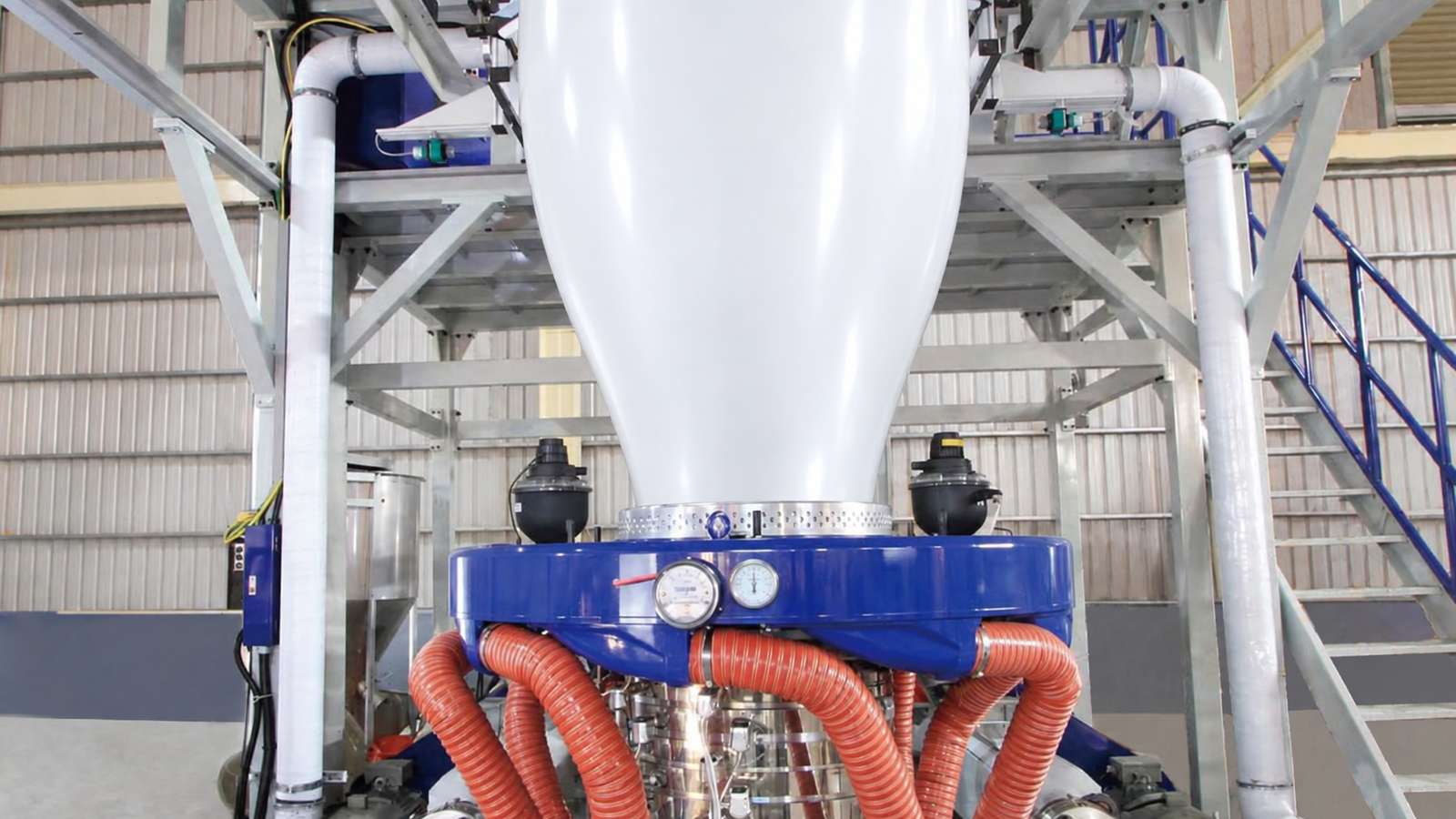
Engineered brilliance, delivered by Bajaj.
From rutile crystal to finished pellet—every stage governed by data, every batch signed off on spec.
 BAJAJ PLAST PVT LTD