Anti-Static Masterbatch for Electronic Packaging: A Technical Guide
Introduction
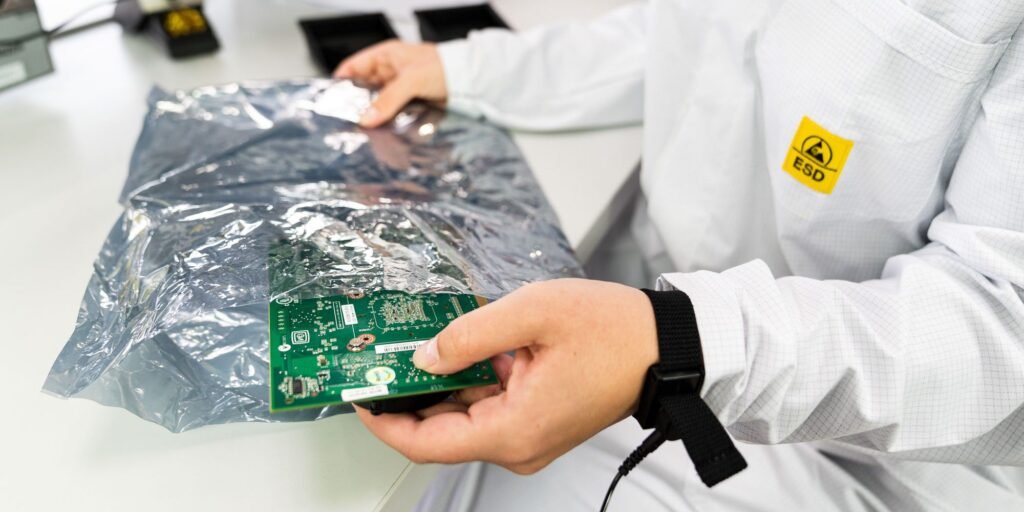
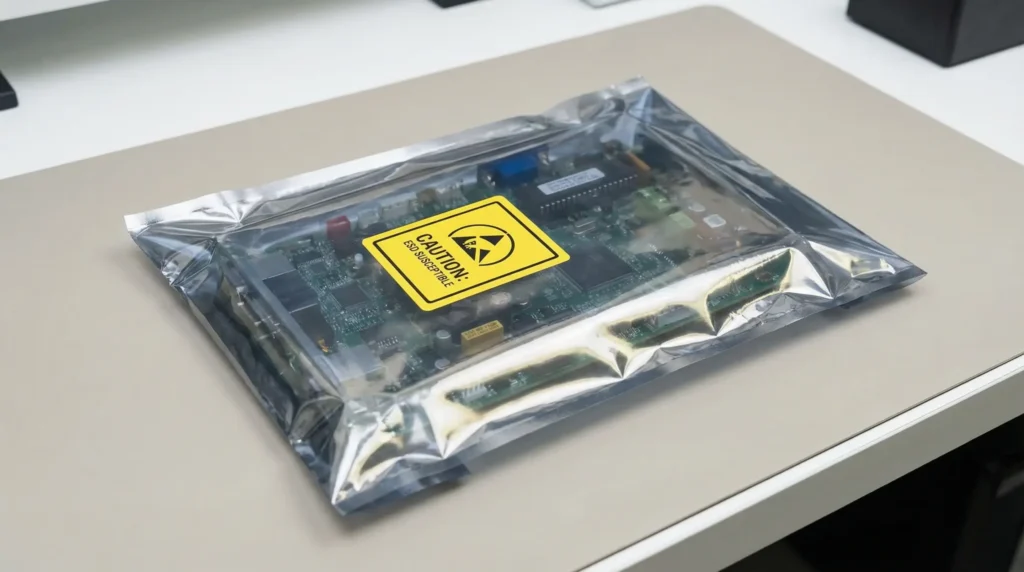
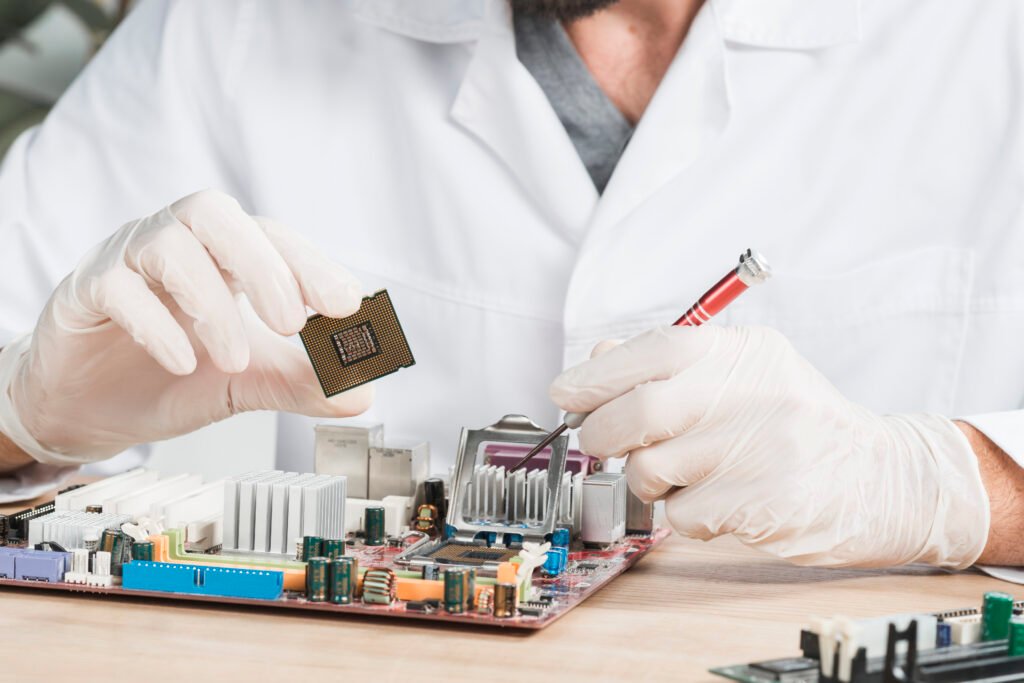
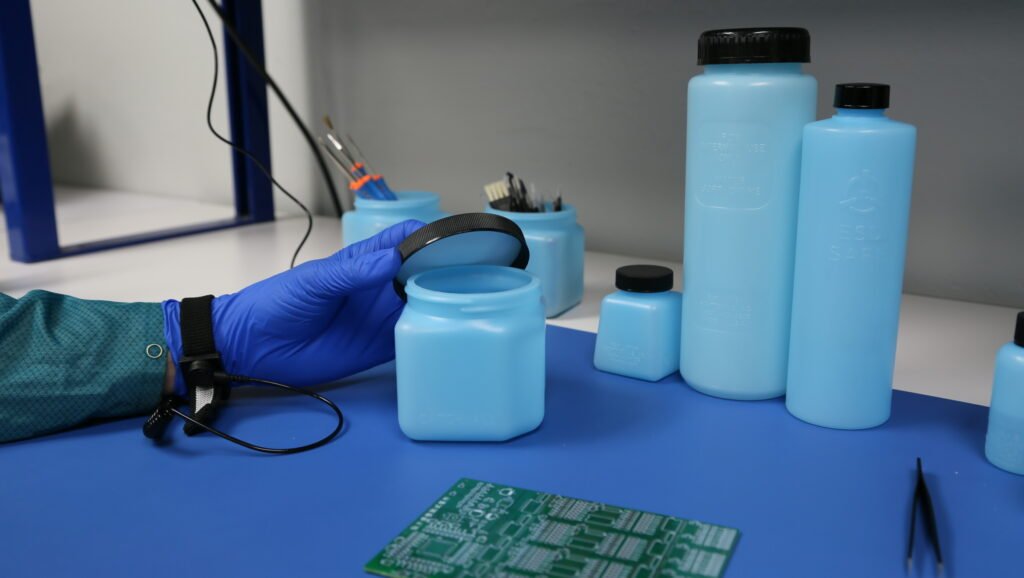
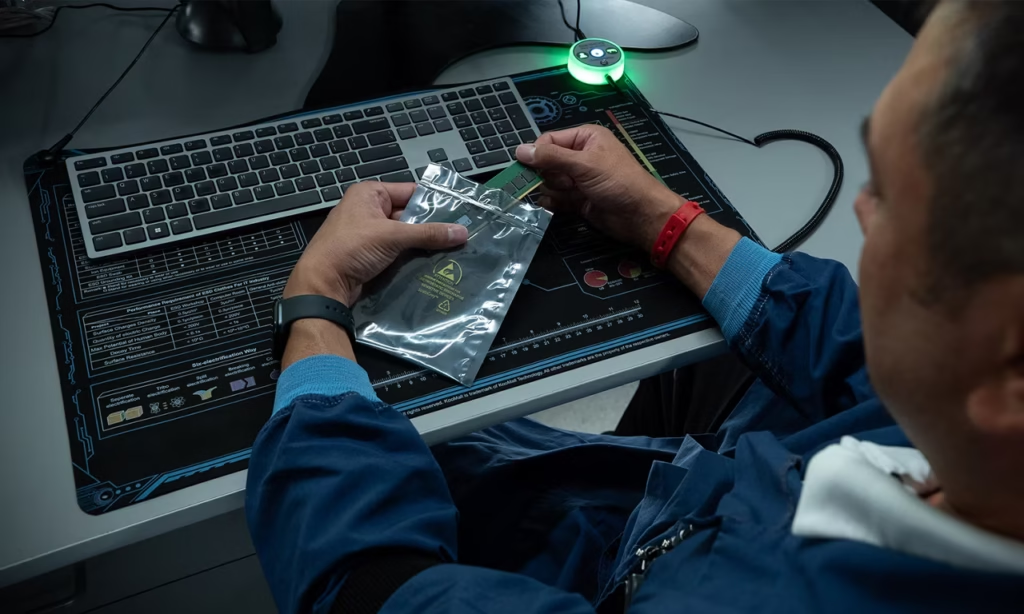
The rapid growth of the electronics industry has significantly increased the demand for Electrostatic Discharge (ESD) safe packaging materials. Sensitive electronic components such as ICs, PCBs, semiconductors, sensors, and microchips can be easily damaged by static electricity during manufacturing, transportation, and storage.
To mitigate this risk, Anti-Static Masterbatch is widely incorporated into polymer matrices during extrusion or injection molding. Anti-static masterbatches modify the surface resistivity of plastics, preventing the accumulation of electrostatic charges and ensuring safe handling of electronic devices.
This blog explores the composition, mechanism, processing methods, and applications of anti-static masterbatch in electronic packaging.
What is Anti-Static Masterbatch?
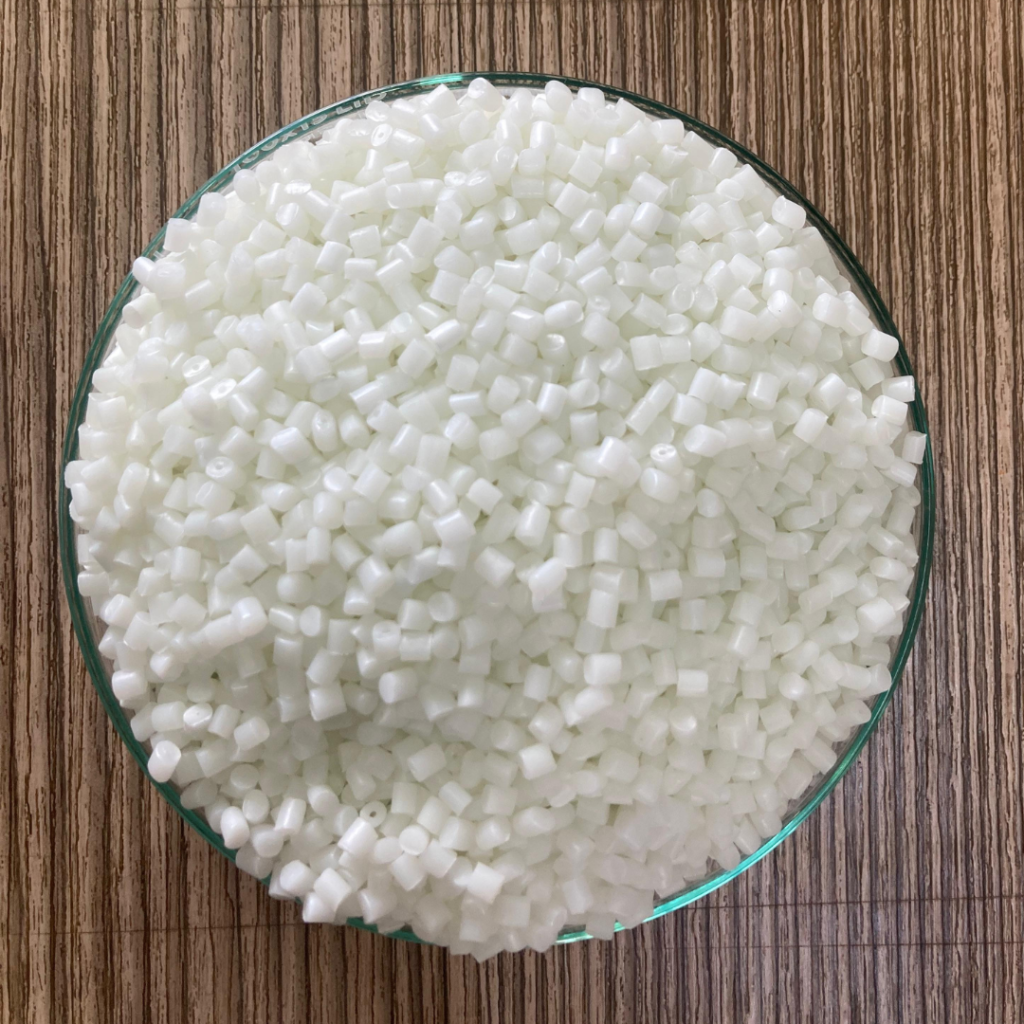
Anti-static masterbatch is a functional additive concentrate containing anti-static agents dispersed in a polymer carrier resin such as PE, PP.The masterbatch is dosed into the base polymer during processing to impart controlled electrical conductivity or static dissipation properties.
Typical Composition
A high-performance anti-static masterbatch generally contains:
Component
Function
Carrier Resin (PE/PP/PS)
Compatible polymer matrix
Anti-static Additives
Reduce surface resistivity
Processing Stabilizers
Improve dispersion
Compatibilizers
Enhance polymer compatibility
Optional Conductive Fillers
Improve ESD control
Typical loading levels range from 1% to 5% depending on application and polymer system.
The Science of Static Electricity in Plastics
Plastics are inherently electrical insulators with very high surface resistivity (>10¹⁴ Ω/sq).
During handling or friction (triboelectric effect), static charges accumulate on the polymer surface.
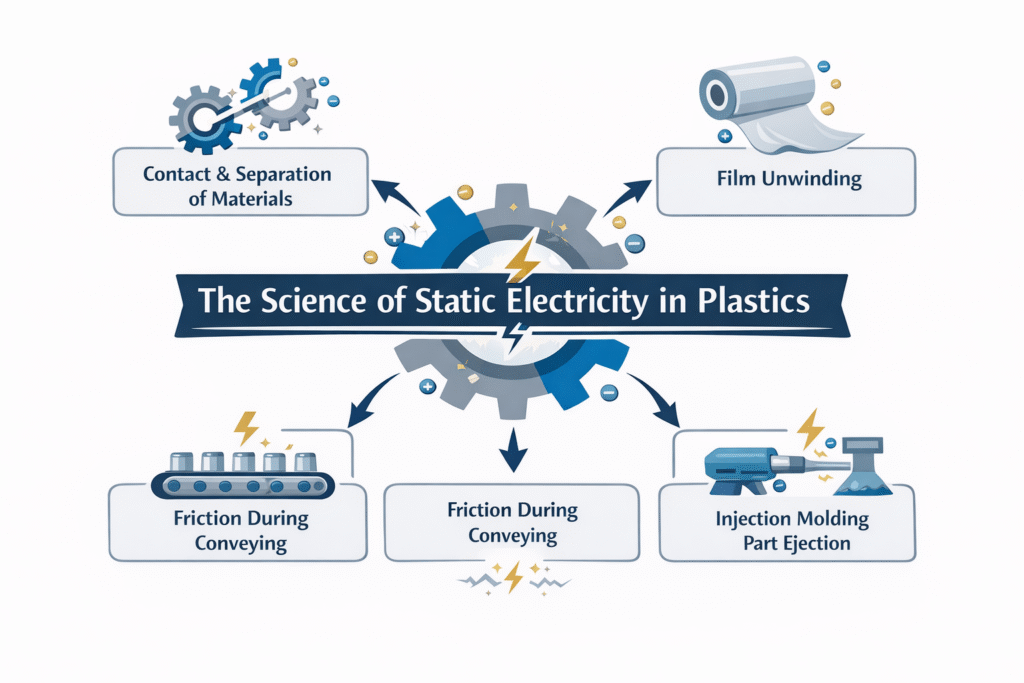
Common static charge generation mechanisms include:
Contact and separation of materials
Friction during conveying
Film unwinding
Injection molding part ejection
Packaging line movement
If the accumulated charge suddenly discharges, it can cause:
Electronic component failure
Dust attraction
Packaging contamination
ESD damage to semiconductors
Therefore controlling static buildup is critical in electronic packaging.
Mechanism of Anti-Static Masterbatch
Anti-static masterbatches work by reducing the electrical resistivity of the polymer surface, enabling charges to dissipate safely.
Molecular Mechanism
Most anti-static additives are surface-active molecules with hydrophilic and hydrophobic segments.
During processing:
The additive disperses within the polymer matrix.
The hydrophilic groups migrate toward the polymer surface.
They attract moisture molecules from the environment.
A thin conductive moisture layer forms on the surface.
This layer enables charge dissipation, reducing static buildup.
Types of Anti-Static Agents Used in Masterbatch
1. Internal Anti-Static Agents
These are incorporated directly into the polymer matrix during compounding.
Common internal anti-static chemicals include:
Ethoxylated amines
Glycerol monostearate (GMS)
Quaternary ammonium compounds
Fatty acid esters
Advantages
Permanent protection
Uniform distribution
Long-lasting effect
2. External Anti-Static Agents
These are surface coatings applied after product formation.
Examples include:
Anti-static sprays
Surface coatings
However, external agents are less durable and may wear off during handling.
3. Conductive Anti-Static Systems
For ESD-sensitive electronics, conductive fillers are sometimes added.
Examples:
Carbon black
Carbon nanotubes
Graphene
Metal-coated fibers
These systems create conductive networks within the polymer matrix.
Electrical Properties of Anti-Static Plastics
Anti-static packaging materials are categorized based on surface resistivity.
Classification
Surface Resistivity
Insulative
>10¹² Ω/sq
Static Dissipative
10⁶ – 10¹¹ Ω/sq
Conductive
<10⁵ Ω/sq
Electronic packaging generally requires static dissipative materials.
Processing of Anti-Static Masterbatch
Anti-static masterbatch is compatible with standard plastic processing techniques.
1. Injection Molding
Used for manufacturing:
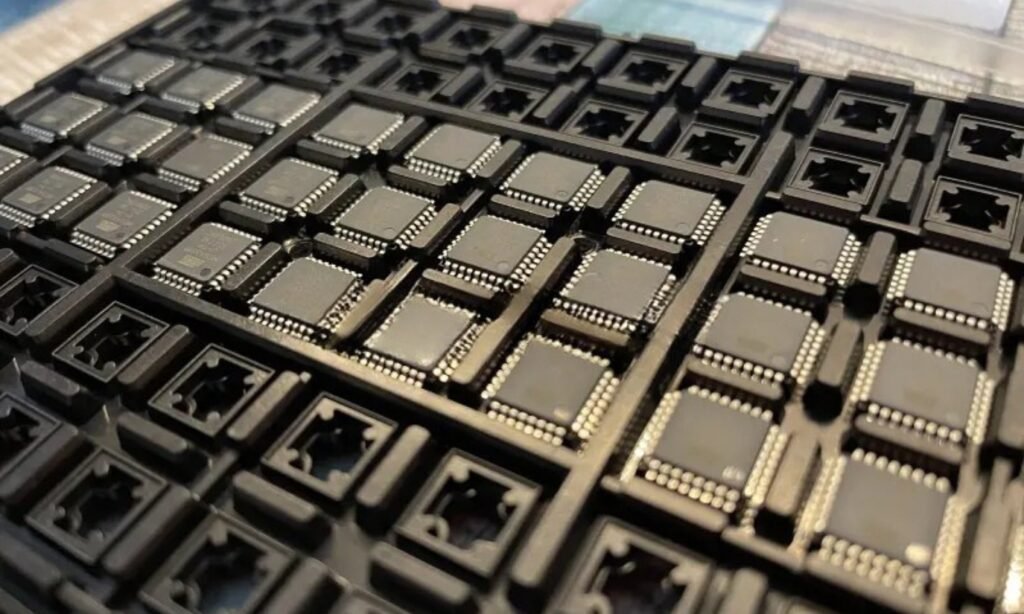
IC trays
Component carriers
Electronic housings
Typical processing parameters:
Melt temperature: 180–250°C
Dosage: 1–4%
2. Film Extrusion
Used for:
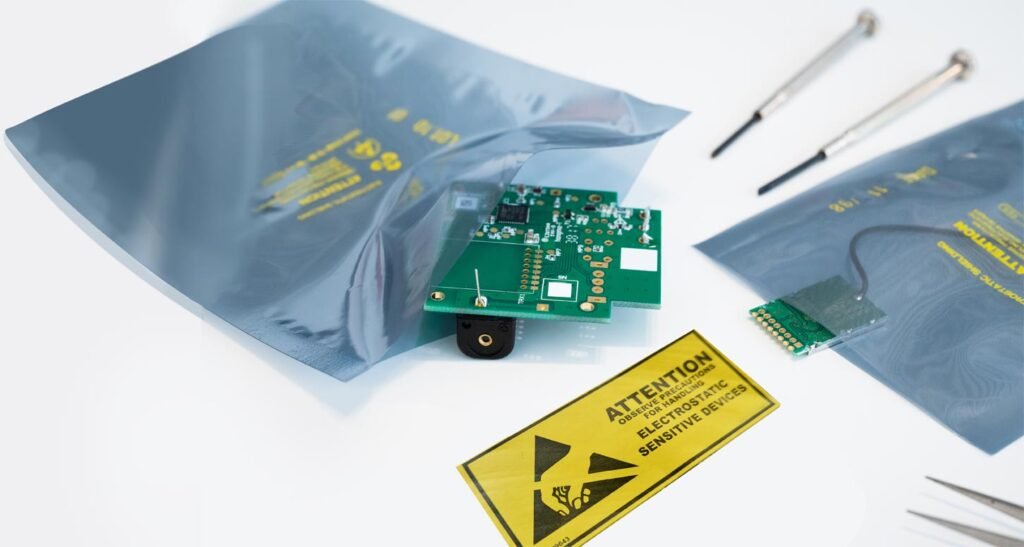
Anti-static PE bags
Electronic packaging films
Protective covers
Key processing considerations:
Uniform additive dispersion
Controlled cooling rate
Surface migration control
3. Blow Molding
Used for:
ESD-safe containers
Electronic storage boxes
Anti-static masterbatch ensures consistent electrical properties across the product surface.
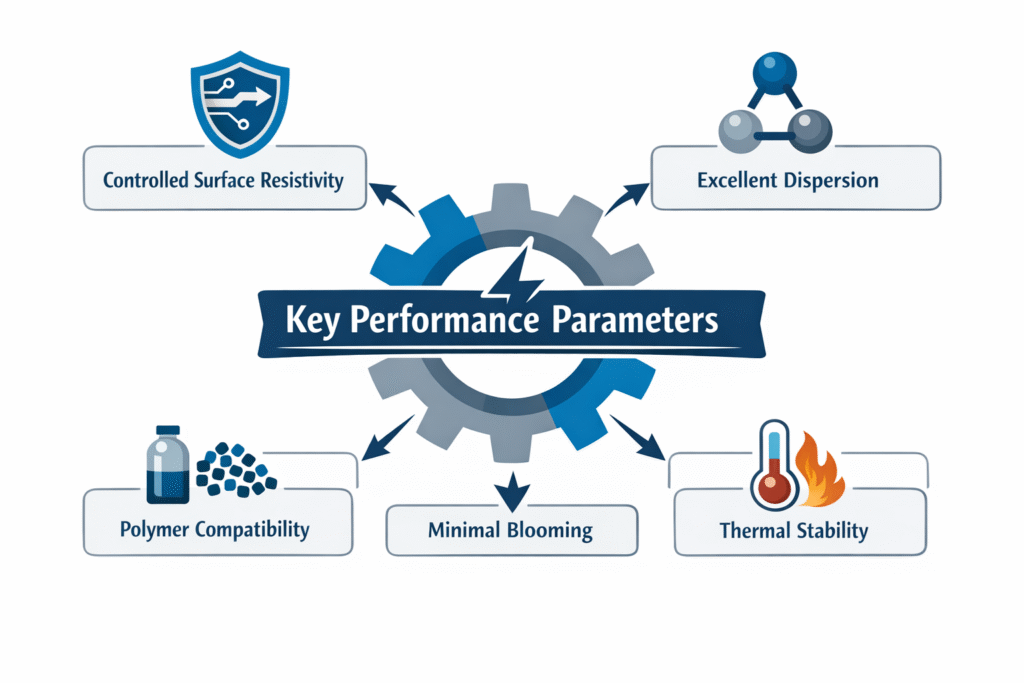
Key Performance Parameters
High-quality anti-static masterbatch must exhibit the following characteristics:
Controlled Surface Resistivity
Ensures consistent ESD protection.
Excellent Dispersion
Prevents additive agglomeration.
Polymer Compatibility
Matches carrier resin with base polymer.
Thermal Stability
Must withstand high processing temperatures without degradation.
Minimal Blooming
Avoid excessive additive migration to maintain product aesthetics.
Applications in Electronic Packaging
Anti-static masterbatch is widely used across multiple electronics packaging applications.
Semiconductor Packaging
IC trays
Chip carriers
wafer containers
Electronic Component Packaging
PCB packaging
sensor packaging
microchip storage trays
Protective Packaging Films
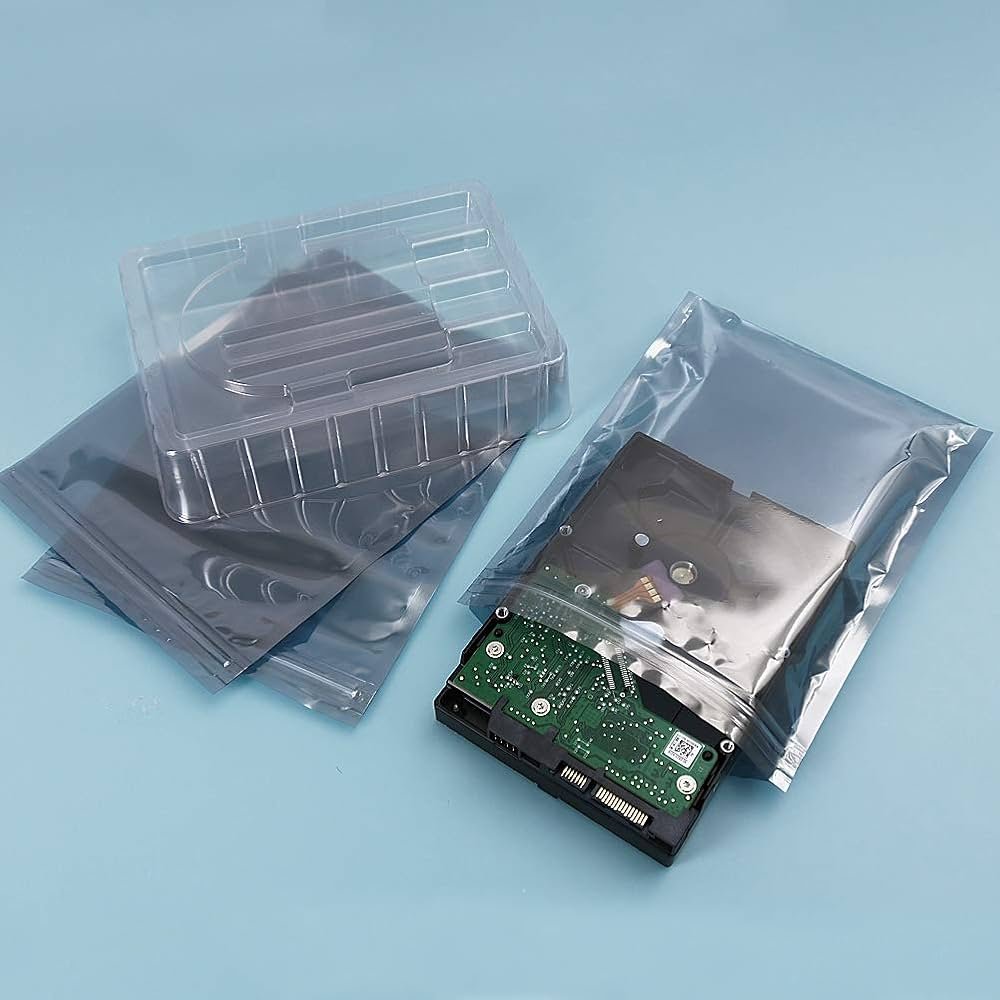
Anti-static bags
Bubble wrap
Shrink films
Industrial Handling Containers
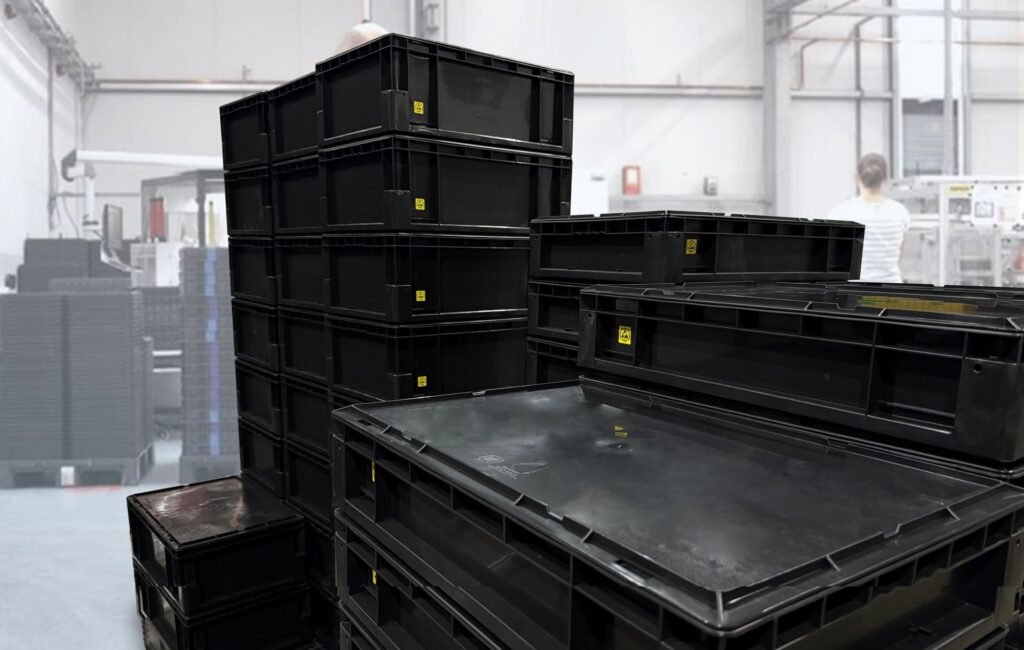
ESD-safe bins
component transport trays
automated assembly line packaging
Advantages of Anti-Static Masterbatch
Protection Against Electrostatic Discharge
Prevents damage to sensitive electronics.
Dust Reduction
Reduces dust attraction on packaging surfaces.
Polymer Compatibility
Matches carrier resin with base polymer.
Improved Product Reliability
Ensures safe transport of electronic components.
Enhanced Processing Efficiency
Improves polymer flow and reduces static during production.
Cost-Effective Solution
Provides long-term anti-static functionality with minimal additive loading.
Challenges in Anti-Static Masterbatch Formulation
Despite its advantages, several challenges must be addressed during formulation.
Humidity Dependence
Many anti-static agents rely on atmospheric moisture to function.
Migration and Blooming
Excess additive migration can affect surface appearance.
Compatibility Issues
Poor compatibility with base polymers may cause dispersion defects.
Performance Decay
Some anti-static agents lose effectiveness over time.
Future Trends in Anti-Static Technology
The electronics packaging industry is moving toward advanced ESD-safe materials.
Emerging innovations include:
Nanotechnology-Based Conductive Systems
Carbon nanotubes and graphene-based anti-static solutions.
Permanent Anti-Static Polymers
Polymers with built-in conductive structures.
Environment-Friendly Additives
Bio-based anti-static additives.
Smart Packaging Materials
Packaging capable of monitoring electrostatic charge levels.
Conclusion
Anti-static masterbatch plays a critical role in protecting electronic components from electrostatic discharge damage. By modifying the electrical properties of plastics, these masterbatches ensure safe packaging, storage, and transportation of sensitive electronic devices.
With the rapid advancement of the electronics industry, the demand for high-performance anti-static masterbatch solutions will continue to grow. Innovations in conductive fillers, nano-materials, and polymer engineering are expected to further enhance the performance and reliability of ESD-safe packaging materials.
For manufacturers of electronic packaging materials, selecting a high-quality anti-static masterbatch with excellent dispersion, stability, and controlled electrical properties is essential to ensure consistent product performance and protection of valuable electronic components.
About Bajaj Plast Pvt. Ltd.
Bajaj Plast Pvt. Ltd. is a leading manufacturer of high-quality masterbatch solutions, dedicated to innovation, sustainability, and excellence. With a strong focus on customer satisfaction and cutting-edge technology, we are committed to delivering superior products that meet the evolving needs of the polymer industry.





 BAJAJ PLAST PVT LTD
