Input, Output & Application in Masterbatch Lab Testing: Complete Guide
Introduction
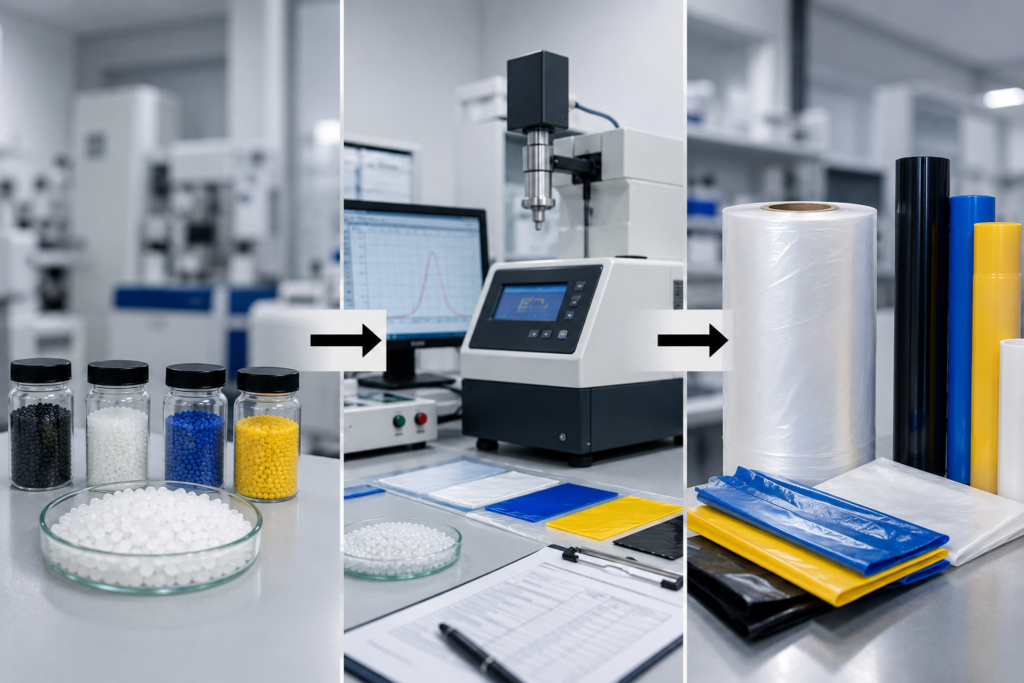
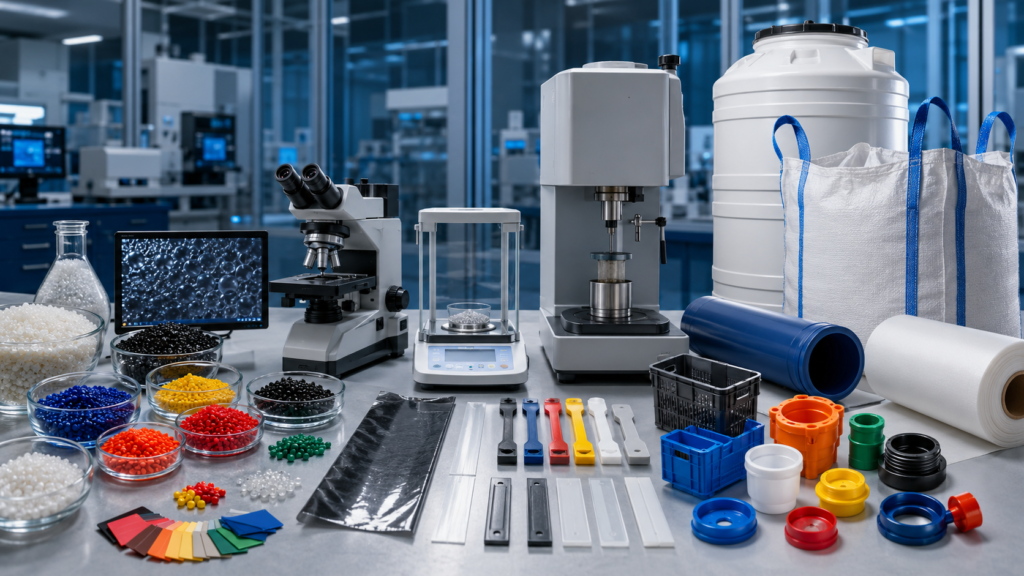
In the plastic masterbatch industry, quality is not checked only by looking at the color of granules. A proper lab testing system is required to confirm whether the masterbatch will perform correctly in the final plastic product. This is where the concept of Input, Output, and Application becomes very important.
For every masterbatch lab test, there are three main parts:
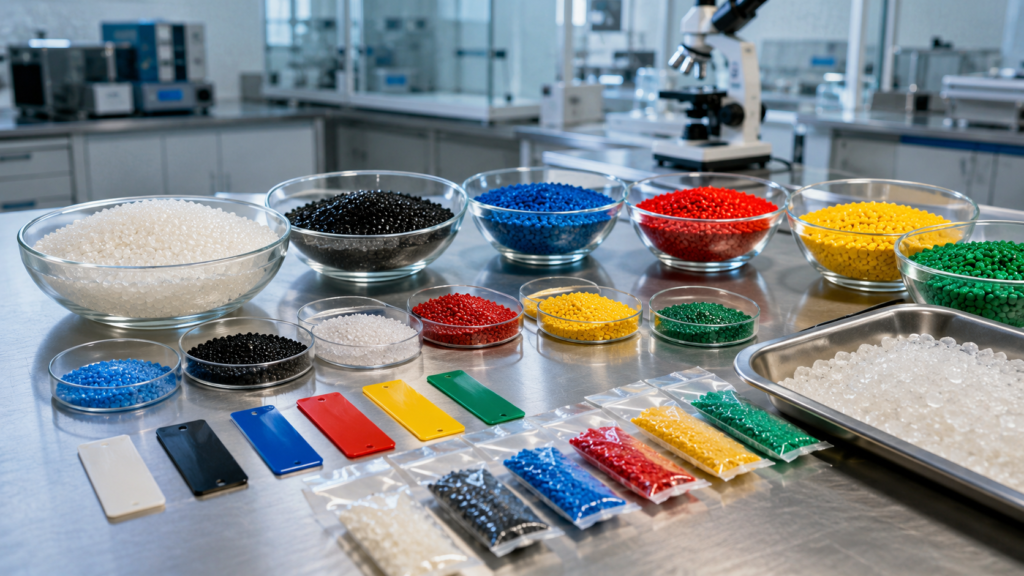
- Input means the raw material, masterbatch sample, polymer, or customer sample used for testing.
- Output means the final test result, quality report, shade approval, strength value, MFI value, dispersion result, or performance confirmation.
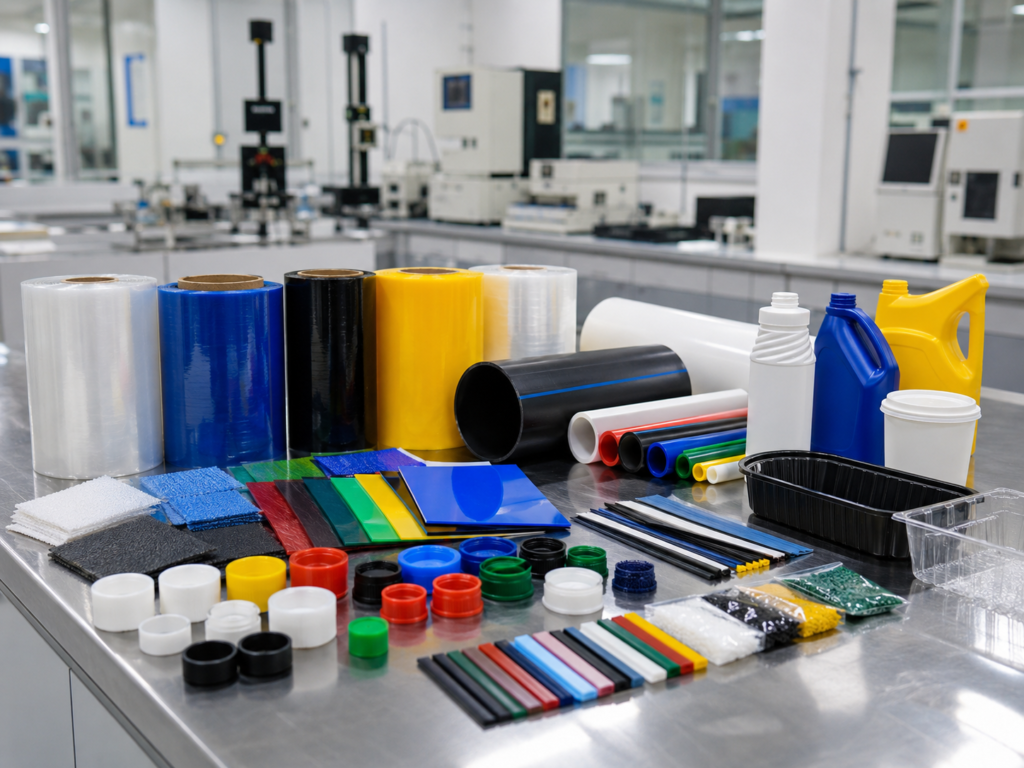
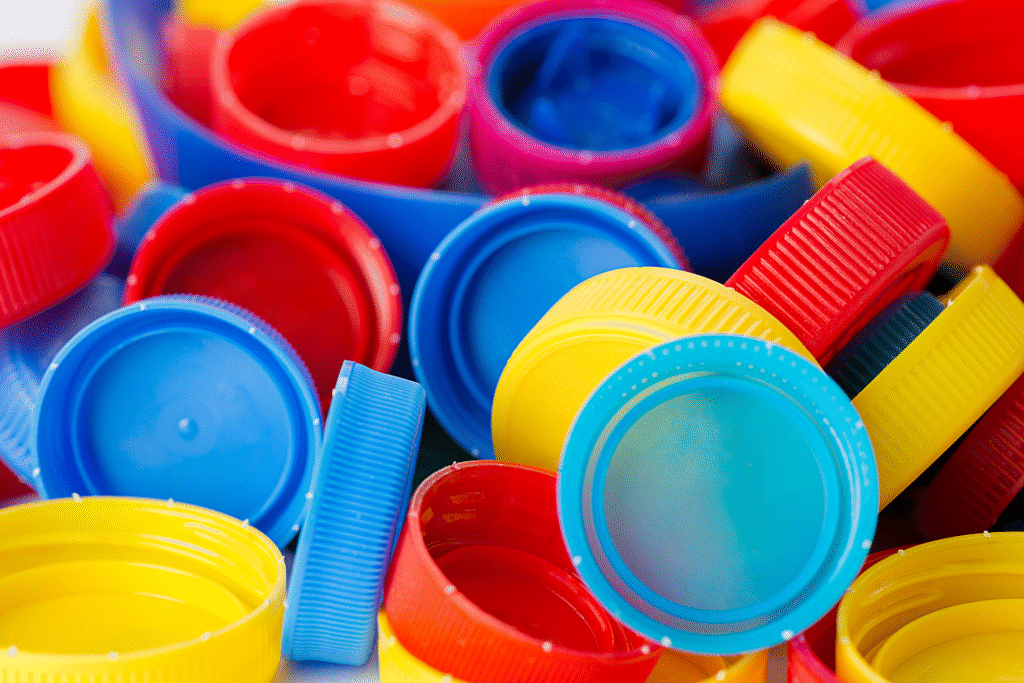
- Application means the final plastic product where the tested masterbatch will be used, such as woven sack, FIBC jumbo bag, blown film, injection moulding, non-woven fabric, water tank, pipe, sheet, or lamination film.
In simple words, input is what we test, output is what we get, and application is where the masterbatch will perform.
Why Lab Testing is Important in Masterbatch Manufacturing
Masterbatch is used in many plastic applications, and every application has different processing conditions and performance requirements. A masterbatch that works well in injection moulding may not perform the same in blown film or raffia tape.
That is why laboratory testing is important before supplying the material to the customer. Lab testing helps to check:
- Color consistency
- Pigment dispersion
- Moisture level
- MFI / flow behavior
- Whiteness and opacity
- UV performance
- Mechanical strength
- Heat stability
- Additive performance
- Final product suitability
A good lab testing process reduces rejection, improves customer confidence, and ensures stable production performance.
What is Input in Masterbatch Lab Testing?
In masterbatch lab testing, input is the material or sample used for testing. It may be masterbatch granules, base polymer, customer sample, final product sample, or trial formulation.
Common inputs include:
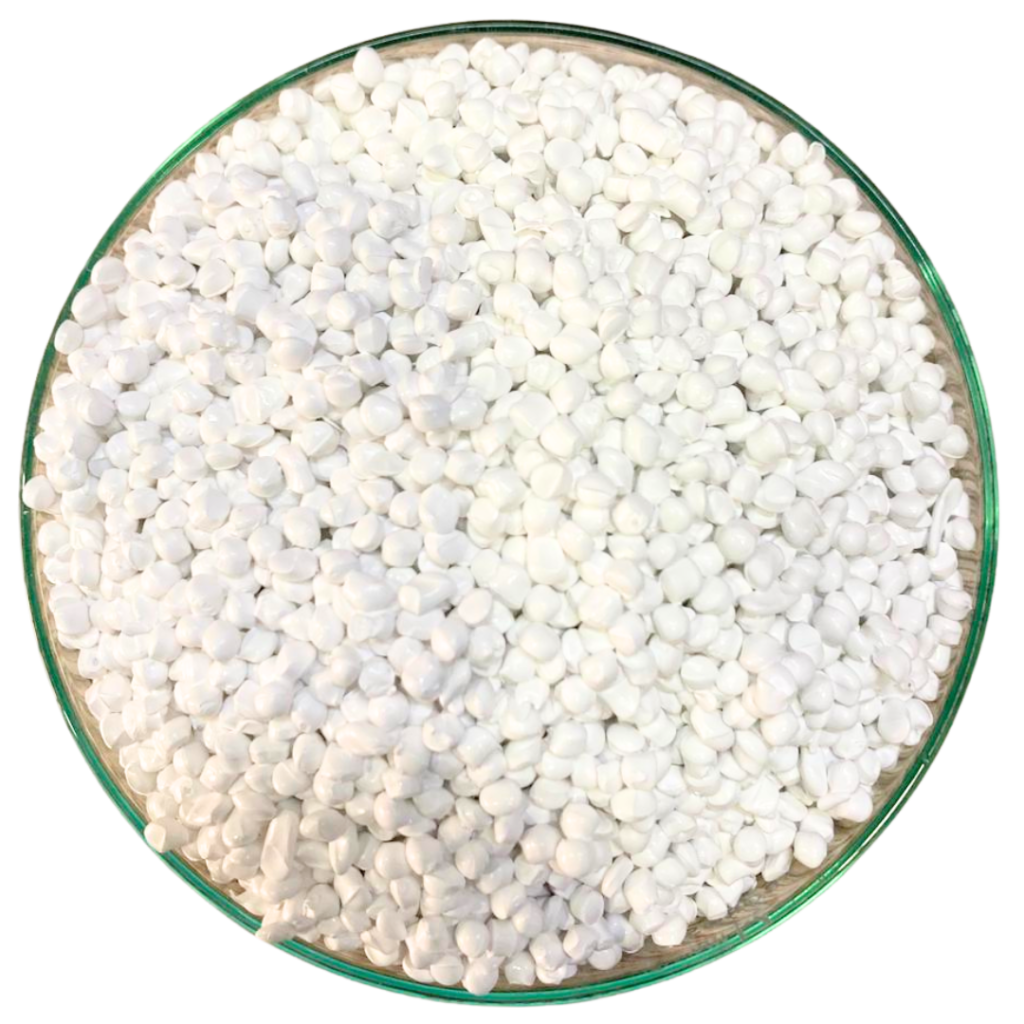
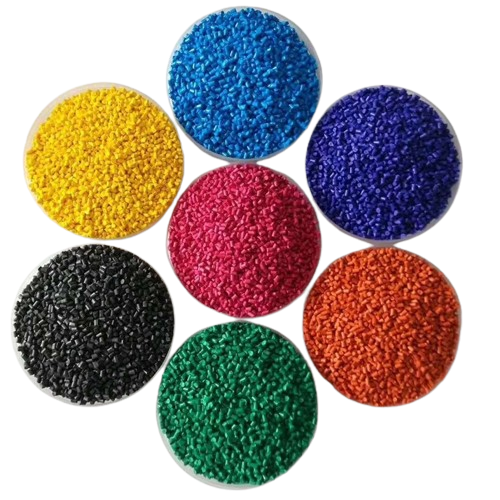
- Masterbatch granules
- PP, PE, HDPE, LDPE, LLDPE polymer
- Customer color sample
- Final product sample
- Filler masterbatch sample
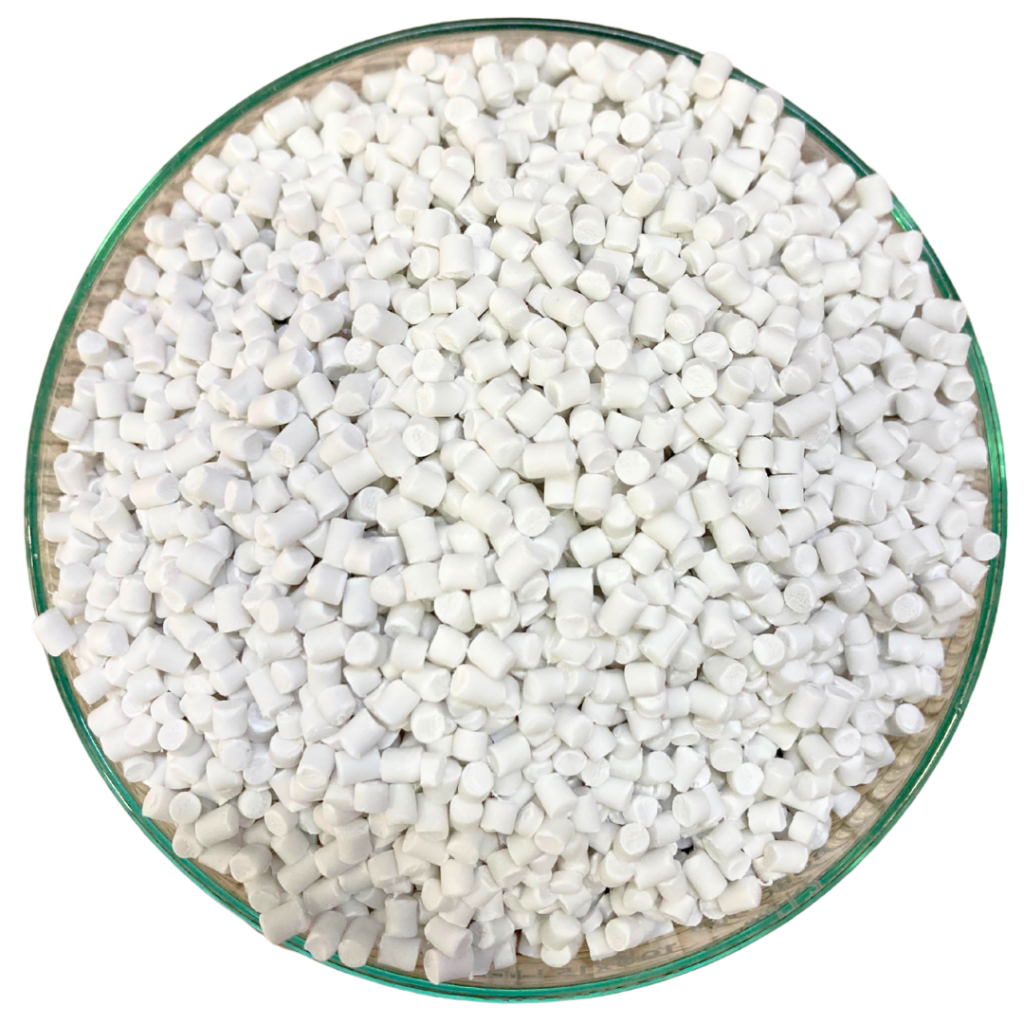
- White masterbatch sample
- Black masterbatch sample
- UV masterbatch sample
- Additive masterbatch sample
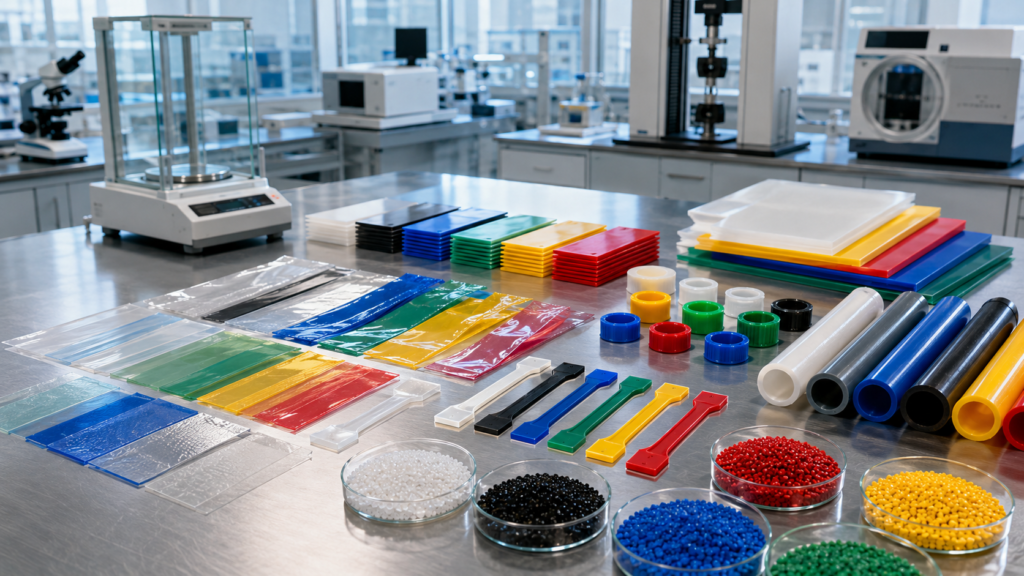
- Film, tape, sheet, or injection chip
For example, if we are testing white masterbatch for non-woven fabric, the input will be white masterbatch + PP polymer. If we are testing UV masterbatch for FIBC bags, the input will be UV masterbatch + PP raffia grade polymer.
What is Output in Masterbatch Lab Testing?
Output is the result or conclusion received after testing. It tells whether the masterbatch is suitable for the required application or not.
Common outputs include:
- MFI value
- Moisture percentage
- Dispersion quality
- Color shade approval
- Delta E value
- Whiteness index
- Opacity result
- Ash content percentage
- Strength value
- UV resistance result
- Surface resistivity
- COF value
- Heat stability result
- Final approval or rejection
For example, in dispersion testing, the output may be excellent dispersion with no visible specks or agglomerates. In color matching, the output may be approved shade with acceptable Delta E value.
What is Application in Masterbatch Lab Testing?
Application means the final plastic product where the masterbatch will be used. Every application requires different performance from the masterbatch.
Common masterbatch applications include:
- Woven sacks
- FIBC jumbo bags
- Raffia tapes
- Blown films
- BOPP films
- Non-woven fabrics
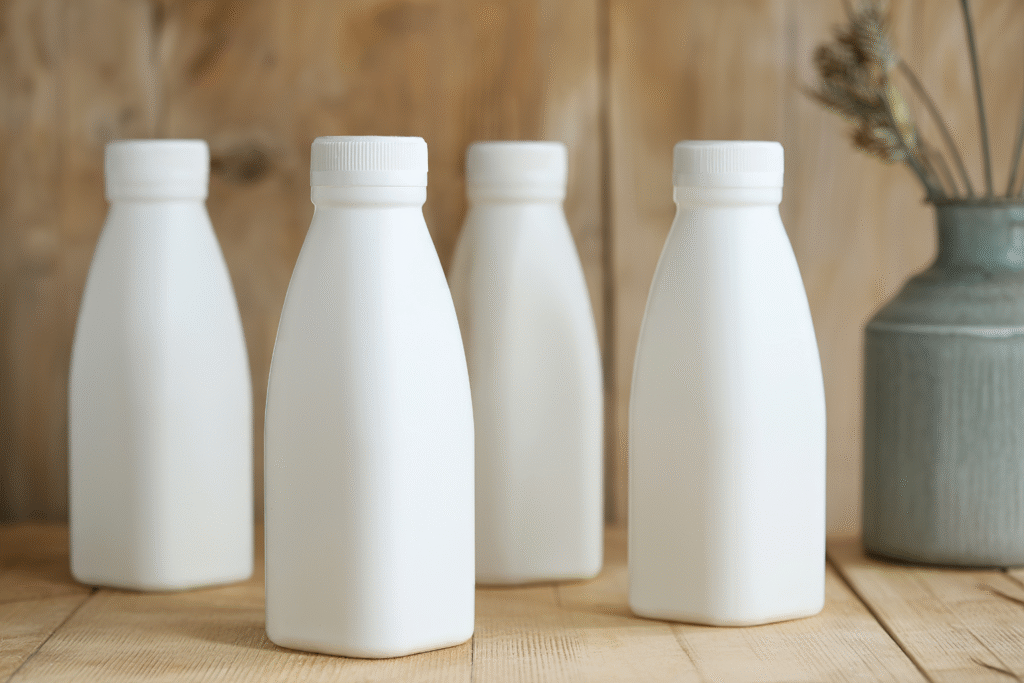
- Injection moulding products
- Blow moulding products
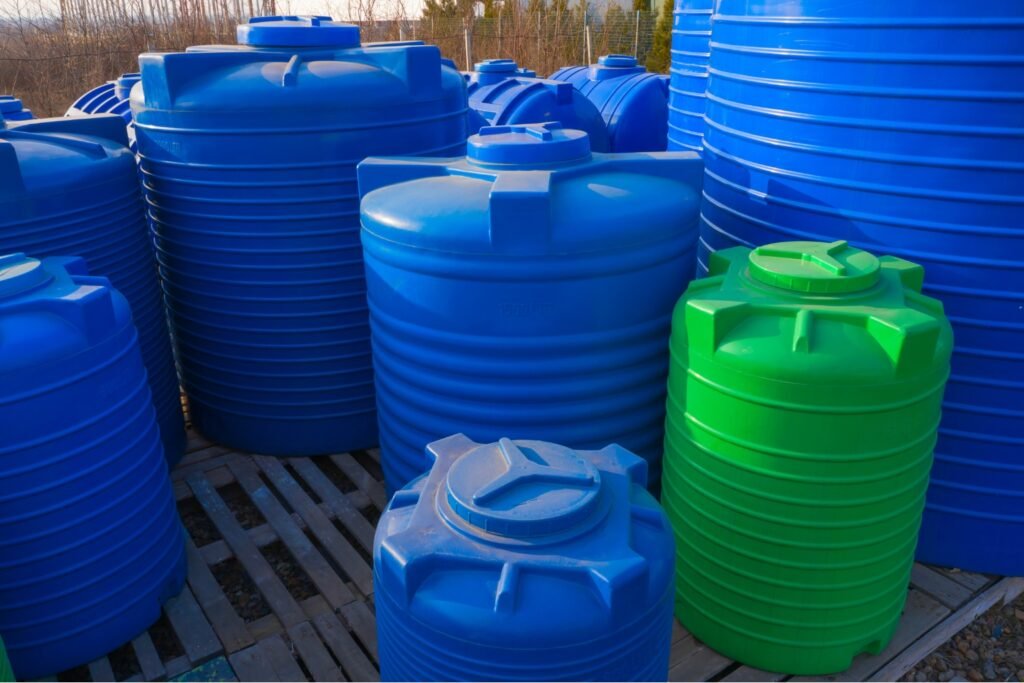
- Water tanks
- HDPE pipes
- Geomembranes
- Leno bags
- Shade nets
- Thermoforming sheets
- Lamination films
- Multifilament yarns
For example, UV masterbatch is mainly tested for outdoor applications like FIBC bags, water tanks, shade nets, pipes, and geomembranes. White masterbatch is commonly tested for opacity, whiteness, and dispersion in non-woven fabric, woven sack, film, and moulded products.
Input, Output & Application Table for Masterbatch Lab Testing
| Lab Test | Input | Output | Application |
|---|---|---|---|
| MFI / MFR Test | Masterbatch granules or polymer blend | Flow rate and processability value | Injection moulding, blow moulding, film, raffia |
| Dispersion Test | Masterbatch mixed with polymer | Pigment/additive distribution, specks, agglomerates | Film, non-woven, woven sack, FIBC, injection parts |
| Color Matching Test | Customer shade sample + masterbatch trial | Shade approval and Delta E value | Color masterbatch for plastic products |
| Moisture Test | Masterbatch granules | Moisture percentage | Film, lamination, non-woven, injection moulding |
| Ash Content Test | Filler, white, or additive masterbatch | Inorganic filler percentage | Filler MB, white MB, talc/transparent MB |
| Bulk Density Test | Masterbatch granules | Feeding and dosing behavior | Extrusion, compounding, dosing systems |
| Specific Gravity Test | Masterbatch or final product sample | Density value | Costing, filler loading, product weight control |
| Filter Pressure Value Test | Masterbatch melt through filter | Cleanliness and dispersion quality | Fine film, BOPP, lamination, fibre, non-woven |
| Heat Stability Test | Masterbatch under high temperature | Color change or degradation result | Injection, blow moulding, extrusion |
| UV / Light Fastness Test | UV or color masterbatch sample | Sunlight resistance and fading performance | FIBC, water tanks, pipes, shade nets |
| Tensile Strength Test | Film, tape, fibre, or molded sample | Strength and elongation value | Woven sack, raffia tape, FIBC, film, sheet |
| COF / Slip Test | Film with slip masterbatch | Surface friction value | Packaging film, lamination film, carry bags |
| Antistatic Test | Plastic sample with antistatic MB | Surface resistivity and static decay result | FIBC, packaging film, electronic packaging |
| Whiteness / Opacity Test | White masterbatch in film/sheet/chip | Whiteness index and opacity level | Non-woven, woven sack, film, moulded parts |
| Blackness / Carbon Dispersion Test | Black masterbatch in polymer | Jetness, carbon dispersion, specks check | Pipes, tanks, films, injection parts |
Example 1: White Masterbatch Lab Testing
White masterbatch is commonly used where brightness, opacity, and clean appearance are important.
| Stage | Details |
|---|---|
| Input | White masterbatch + PP/PE polymer |
| Testing Process | Film, tape, sheet, or injection chip preparation |
| Output | Whiteness, opacity, dispersion, MFI, moisture result |
| Application | Non-woven fabric, woven sack, blown film, injection moulding |
In white masterbatch, the most important quality factors are TiO₂ dispersion, opacity, whiteness, moisture control, and processing stability. Poor dispersion can create white specks, rough surface, poor opacity, and uneven product appearance.
Example 2: UV Masterbatch Lab Testing
UV masterbatch is used to protect plastic products from sunlight degradation.
| Stage | Details |
|---|---|
| Input | UV masterbatch + polymer sample |
| Testing Process | Final sample preparation and UV exposure testing |
| Output | UV resistance, color stability, strength retention |
| Application | FIBC bags, water tanks, shade nets, pipes, geomembranes |
For outdoor products, UV testing is very important because plastic products are continuously exposed to sunlight, heat, and weather conditions. A good UV masterbatch helps improve outdoor service life and prevents early cracking, fading, and strength loss.
Example 3: Color Masterbatch Lab Testing
Color masterbatch testing is done to achieve consistent and accurate shade in the final plastic product.
| Stage | Details |
|---|---|
| Input | Customer color sample + color masterbatch trial |
| Testing Process | Lab trial in polymer and final sample preparation |
| Output | Shade matching, Delta E value, dispersion result |
| Application | Injection moulding, blow moulding, film, sheet, raffia |
Color masterbatch must have excellent pigment dispersion because poor dispersion can cause streaks, spots, color variation, and uneven shade in the final product.
Example 4: Filler Masterbatch Lab Testing
Filler masterbatch is mainly used for cost reduction, stiffness improvement, and better processing.
| Stage | Details |
|---|---|
| Input | Filler masterbatch + PP/PE polymer |
| Testing Process | MFI, ash content, dispersion, strength testing |
| Output | Filler percentage, processability, strength impact |
| Application | Woven sacks, non-woven fabric, film, injection moulding |
In filler masterbatch, ash content, dispersion, moisture, and compatibility with polymer are important. Poor-quality filler masterbatch can reduce strength, create surface roughness, and cause processing issues.
Why Dispersion Testing is Very Important
Dispersion means how well pigment, filler, or additive particles are broken down and mixed inside the polymer. Good dispersion gives uniform color, smooth surface, better strength, and stable processing.
Poor dispersion may cause:
- Black spots
- White specks
- Color streaks
- Rough surface
- Weak points in film or tape
- Filter choking
- Poor appearance
- Customer rejection
Excellent dispersion is especially important in applications like blown film, BOPP film, non-woven fabric, raffia tape, FIBC bags, and injection moulded parts.
Difference Between Dispersion and Distribution
Many people confuse dispersion and distribution, but both are different.
Dispersion means particles are properly broken down into fine size without lumps or agglomerates.
Distribution means particles are spread evenly throughout the polymer.
The best quality masterbatch has both good dispersion and good distribution. This means the particles are fine and evenly spread in the final plastic product.
Best Quality Control Flow in Masterbatch Lab
A professional masterbatch lab follows a proper testing flow:
- Raw material inspection
- Masterbatch sample collection
- Moisture testing
- MFI testing
- Trial sample preparation
- Dispersion testing
- Color matching
- Application-based testing
- Final approval
- Batch release
This system ensures that every batch supplied to the customer is consistent, stable, and suitable for the final application.
Benefits of Input, Output & Application-Based Lab Testing
Using an input-output-application testing system gives many benefits:
- Better quality control
- Faster customer approval
- Lower rejection rate
- Application-specific performance
- Stable shade and dispersion
- Improved processing on customer machine
- Better customer satisfaction
- Reduced production complaints
- Consistent batch-to-batch quality
This approach helps masterbatch manufacturers supply the right product for the right application.
Conclusion
In masterbatch lab testing, Input, Output, and Application is a simple but powerful quality control concept.
Input is the sample or material used for testing.
Output is the test result or quality confirmation.
Application is the final plastic product where the masterbatch will be used.
A strong lab testing system helps ensure that every masterbatch performs properly in real production conditions. Whether it is white masterbatch, color masterbatch, UV masterbatch, filler masterbatch, black masterbatch, or additive masterbatch, proper testing is essential for consistent quality and customer satisfaction.
About Bajaj Plast Pvt. Ltd.
Bajaj Plast Pvt. Ltd. is a leading manufacturer of high-quality masterbatch solutions, dedicated to innovation, sustainability, and excellence. With a strong focus on customer satisfaction and cutting-edge technology, we are committed to delivering superior products that meet the evolving needs of the polymer industry.