
What Causes Plastic to Turn Yellow Over Time?
Yellowing in plastic products is a common issue faced by quality control managers and production engineers, especially in injection molding and consumer goods manufacturing. When a finished product turns yellow, it directly impacts appearance, quality perception, and customer acceptance. Understanding why plastic turns yellow is essential to identifying root causes and implementing effective solutions.
At Bajaj Masterbatch, we work closely with manufacturers facing such production challenges, helping them improve product stability and consistency through the right additive approach.
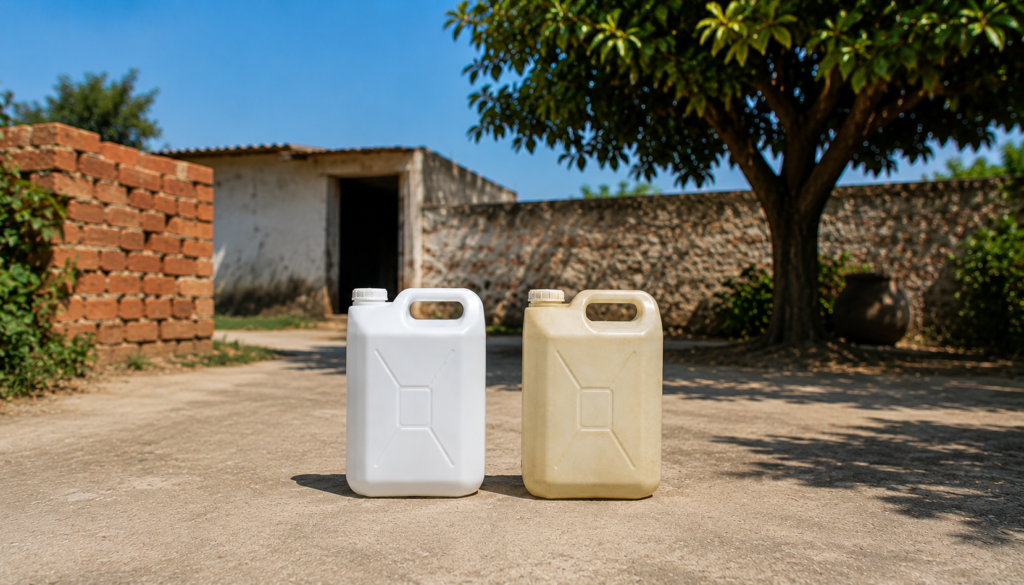
What Does Yellowing in Plastics Indicate?
Yellowing is usually a sign of material degradation or chemical changes occurring during processing or exposure. It may appear as:
Why Temperature Matters
- Slight discoloration over time
- Uneven yellow patches
- Overall color shift in the product
For production teams, this often leads to:
- Increased rejection rates
- Customer complaints
- Loss of product consistency
Understanding why plastic turns yellow helps in preventing these issues at the source.
Main Reasons Why Plastic Turns Yellow
Yellowing is not caused by a single factor. It is usually the result of multiple conditions acting together.
Heat Degradation During Processing
Excessive processing temperature is one of the most common causes. When polymers are exposed to higher-than-required heat, chemical breakdown begins, leading to discoloration.
Oxidation of Polymer
Exposure to oxygen during processing or storage can cause oxidation. This reaction alters the chemical structure of the material, resulting in yellowing over time.
UV Exposure
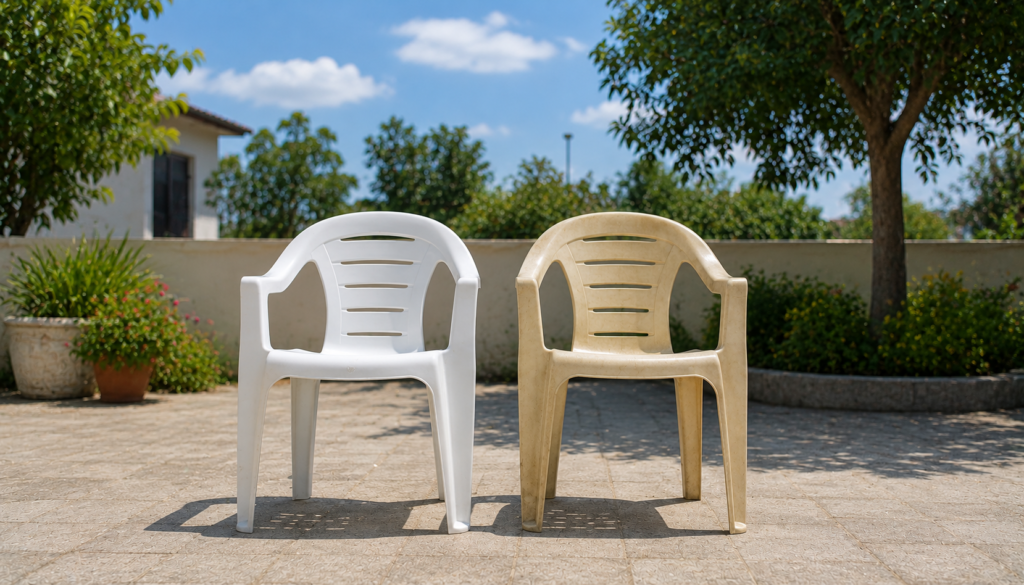
When plastic products are exposed to sunlight or UV radiation, degradation accelerates. This is especially common in outdoor applications.
Poor Additive Selection
Using incorrect or low-quality additives can fail to protect the polymer during processing. In some cases, additives themselves may degrade and contribute to yellowing.
Contamination in Raw Material
Recycled or contaminated materials often carry impurities that react under heat, causing discoloration.
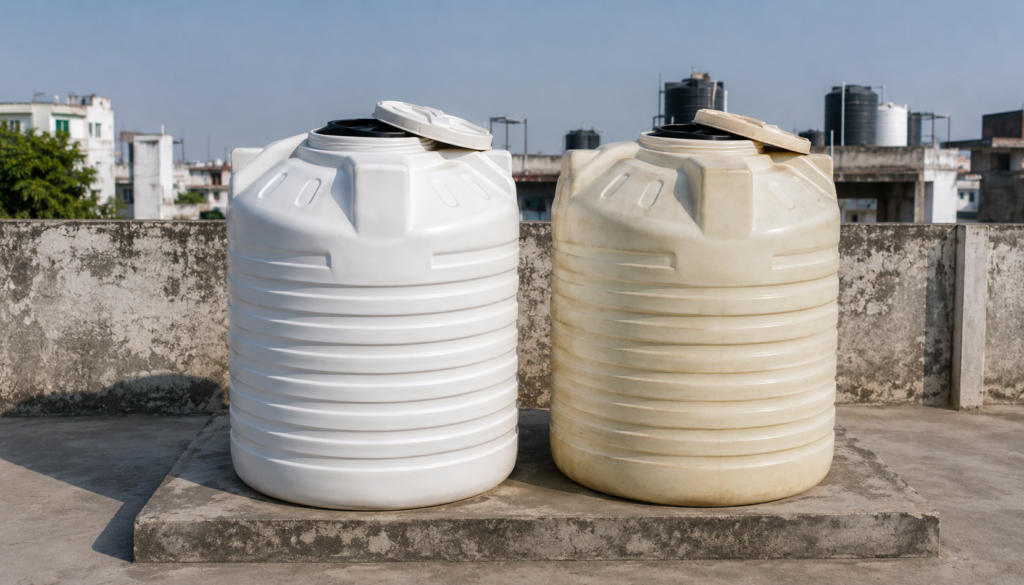
How Yellowing Impacts Production and Product Quality
For manufacturers, yellowing is not just a visual issue. It has direct production and business impact.
- Reduced product acceptance
- Batch inconsistency
- Higher rejection rates
- Increased reprocessing costs
This is why understanding why plastic turns yellow becomes critical for maintaining quality standards.
Cause vs Solution: Quick Overview
| Cause | Impact | Solution |
|---|---|---|
|
High processing temperature
|
Polymer degradation
|
Optimize temperature profile
|
|
Oxidation
|
Chemical breakdown
|
Use antioxidant additives
|
|
UV exposure
|
Surface discoloration
|
Add UV stabilizers
|
|
Poor additive selection
|
Inconsistent performance
|
Use a compatible masterbatch
|
|
Material contamination
|
Yellow patches
|
Improve raw material quality
|
Role of Stabilizers in Preventing Yellowing
Stabilizers play a key role in controlling degradation and improving polymer stability.
Antioxidants
These help prevent oxidation during processing by protecting the polymer from thermal degradation.
UV Stabilizers
Used in applications exposed to sunlight, they absorb or block UV radiation to prevent discoloration.
Heat Stabilizers
These improve the material’s resistance to high processing temperatures.
Using the right combination of stabilizers helps reduce the chances of yellowing significantly.
Practical Prevention Methods for Manufacturers
Understanding why plastic turns yellow is only useful when it leads to actionable solutions.
Control Processing Temperature
Ensure that extrusion or molding temperatures stay within the recommended range.
Use Proper Additive Systems
Selecting the right stabilizers and masterbatch improves resistance to heat and oxidation.
UV Exposure
When plastic products are exposed to sunlight or UV radiation, degradation accelerates. This is especially common in outdoor applications.
Maintain Raw Material Quality
Avoid contamination and ensure consistent input material quality.
Monitor Exposure Conditions
If products are exposed to UV, protective additives must be included.
Real Production Insight
In many manufacturing setups, yellowing is often misdiagnosed as a material issue when it is actually a processing imbalance. Small variations in temperature or residence time inside the machine can trigger degradation.
Another common scenario is using a standard formulation for multiple applications. Different environments require different stabilization levels, especially when UV exposure or heat load varies.
Why Stabilizer Selection Matters More Today
With increasing use of recycled materials and higher production speeds, polymers are more vulnerable to degradation. This makes stabilizer selection even more important.
Manufacturers today need:
- Better thermal stability
- Resistance to oxidation
- Protection against environmental exposure
Without the right approach, yellowing becomes a recurring issue across batches.
Conclusion
Yellowing in plastics is a clear indicator of underlying processing or material issues. By understanding why plastic turns yellow, manufacturers can take targeted actions to improve product quality and reduce rejection rates.
From controlling processing temperature to selecting the right stabilizers, each step plays a role in preventing discoloration. With the right formulation strategy and support from Bajaj Masterbatch, manufacturers can achieve consistent results, better product appearance, and improved production efficiency.
About Bajaj Plast Pvt. Ltd.
Bajaj Plast Pvt. Ltd. is a leading manufacturer of high-quality masterbatch solutions, dedicated to innovation, sustainability, and excellence. With a strong focus on customer satisfaction and cutting-edge technology, we are committed to delivering superior products that meet the evolving needs of the polymer industry.

 BAJAJ PLAST PVT LTD