
Introduction
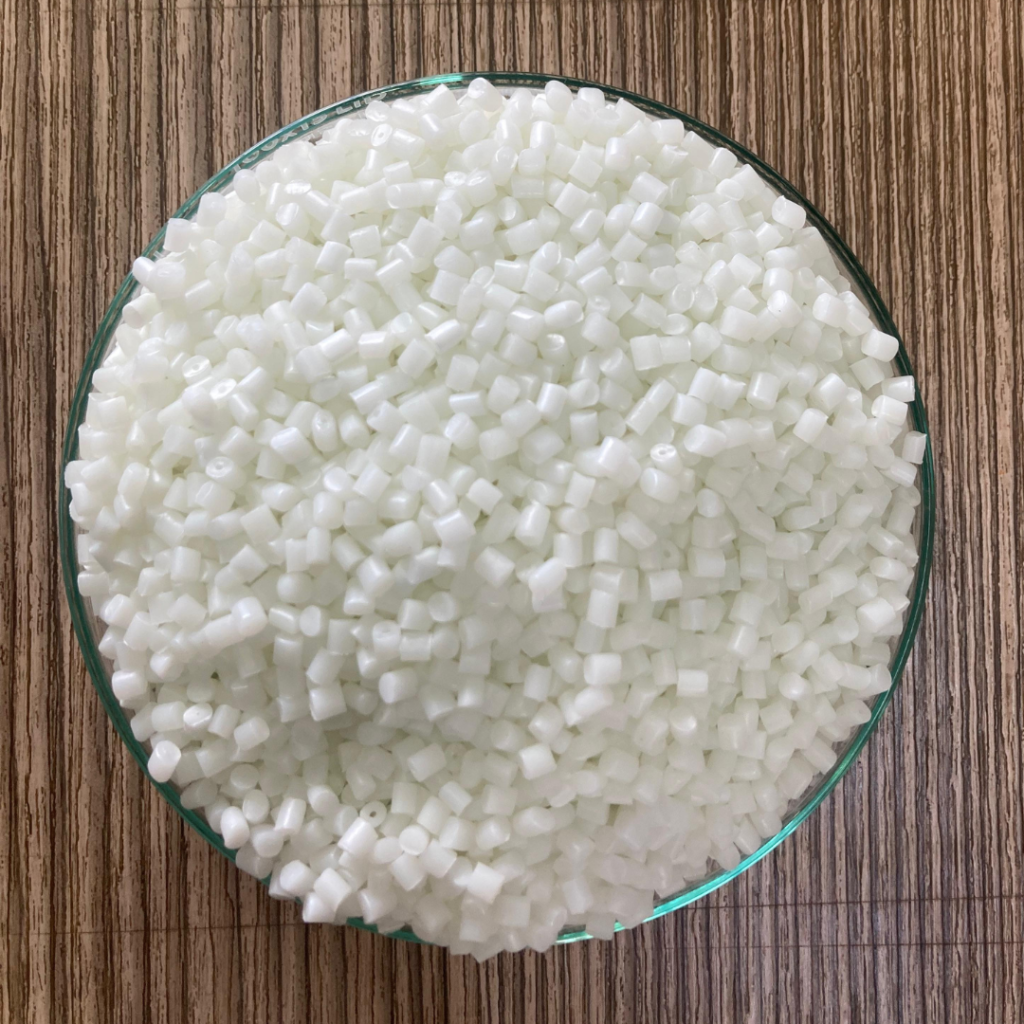
In polymer processing and plastic film manufacturing, surface interaction between adjacent film layers presents a persistent engineering challenge. Anti-Block Masterbatch — a concentrated dispersion of inorganic mineral particles (typically silica, talc, diatomaceous earth, or calcium carbonate) in a carrier resin — addresses this challenge at the molecular level. By modifying the micro-topography of the polymer surface, Anti-Block Masterbatch reduces the real contact area between film layers, thereby controlling the coefficient of friction (CoF) and inter-layer adhesion forces. This technical overview examines the functional mechanisms and quantifiable benefits of Anti-Block Masterbatch across polyolefin and related polymer systems.
Enhanced Process Throughput and Equipment Efficiency
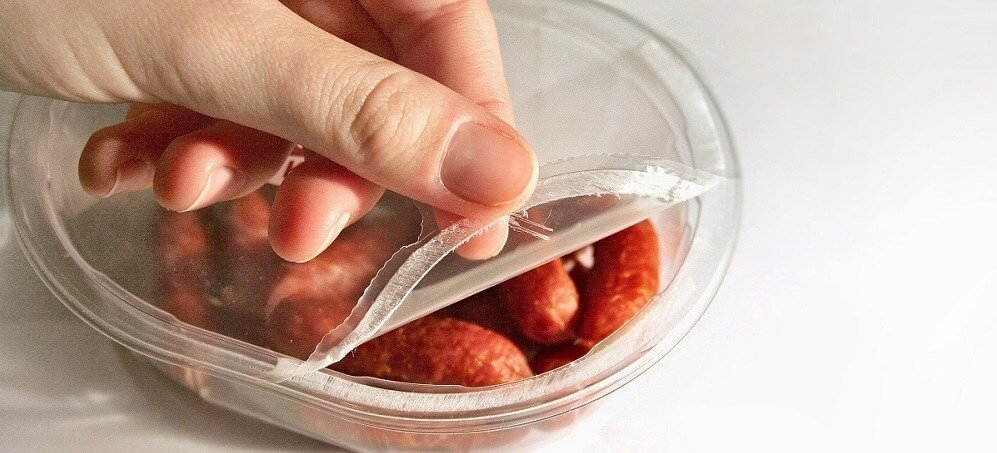
During film extrusion, blown film production, or cast film processes, uncontrolled surface adhesion between film plies results in irregular winding tension, edge tear, and frequent line stoppages. Anti-Block Masterbatch is formulated to create a microscopic surface asperity profile (typically with particle sizes ranging from 2–10 microns) that mechanically separates film surfaces, ensuring consistent slip behavior throughout roll winding, slitting, and converting operations. The direct consequence is a measurable reduction in static CoF — often from values exceeding 0.5 down to below 0.2 — improving process continuity, reducing nip roller pressure requirements, and lowering overall energy consumption per unit output.
Optical Property Retention: Haze and Clarity Control
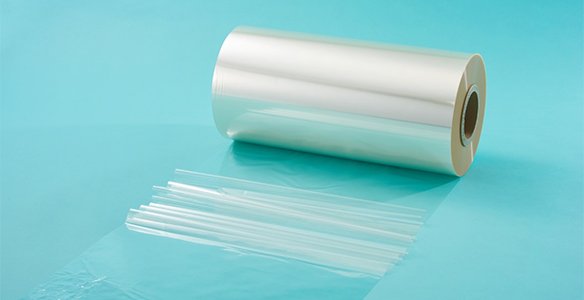
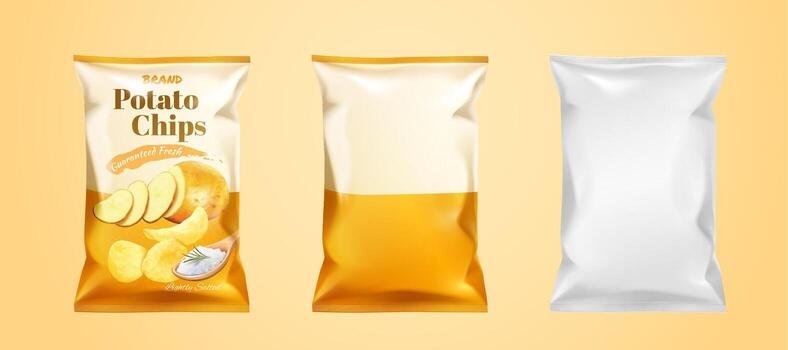
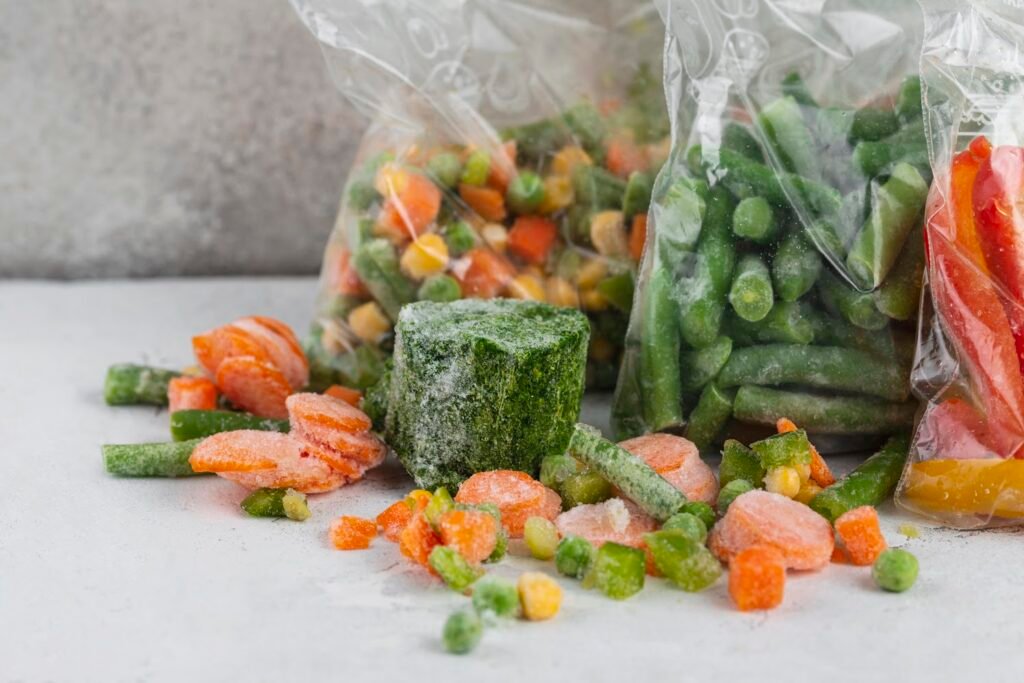
Transparency is a critical optical specification in packaging films, governed by ASTM D1003 (haze and luminous transmittance). Conventional anti-blocking agents can scatter light at the film surface, introducing haze values above acceptable thresholds. High-performance Anti-Block Masterbatches utilize ultra-fine, narrow particle size distribution (PSD) mineral fillers with a refractive index closely matched to the base polymer matrix — for polyethylene (RI ≈ 1.51), silica-based antiblocks (RI ≈ 1.46) minimize Mie scattering. This results in films that maintain haze values typically below 5%, preserving the optical clarity demanded in food packaging, shrink films, and point-of-sale display films.
Mechanical Property Optimization: Friction, Slip, and Surface Integrity
The tribological performance of plastic films is governed by both static and kinetic CoF, measured per ASTM D1894. Anti-Block Masterbatch particles function as physical spacers between film surfaces, reducing the van der Waals forces responsible for film blocking at points of surface contact. When combined with slip additives (e.g., erucamide or oleamide), the synergistic effect achieves a precisely engineered CoF profile — essential for high-speed form-fill-seal (FFS) packaging lines, where surface slip directly impacts machine speed and seal integrity. The particle morphology and loading level (typically 2,000–10,000 ppm in the final film) are tunable parameters that allow formulation engineers to balance anti-block performance against tensile strength, elongation at break, and dart impact resistance.
Mitigation of Film Blocking: Thermomechanical Analysis
Film blocking is thermodynamically driven — elevated temperature and contact pressure during roll storage promote interdiffusion of amorphous polymer chain segments across the film interface, increasing adhesion energy. The blocking force, quantified per ASTM D3354, is a direct measure of the energy required to separate bonded film layers. Anti-Block Masterbatch disrupts this interfacial chain mobility by introducing hard inorganic particles that physically prevent intimate macromolecular contact. In multilayer coextrusion structures (e.g., PE/tie/PA constructions), antiblock is typically incorporated in the outer seal or skin layers (A/B/A configurations) to prevent roll blocking without compromising the structural or barrier properties of intermediate layers.
Economic and Formulation Cost Efficiency
The cost-performance ratio of Anti-Block Masterbatch compares favorably to neat antiblock powder dosing systems. Masterbatch delivery eliminates the dust handling, segregation, and dosing inaccuracies associated with fine powder additives, improving let-down ratio consistency (typical let-down ratios: 1–5% by weight). Additionally, the use of high-efficiency, surface-treated antiblock particles reduces the required loading to achieve target CoF and blocking force values, directly reducing additive cost per kilogram of finished film. Reduced film defect rates — fewer gel inclusions, surface scratches, or blocking-related tears — translate to lower off-spec material generation and improved overall equipment effectiveness (OEE).
Polymer Compatibility and Application Versatility
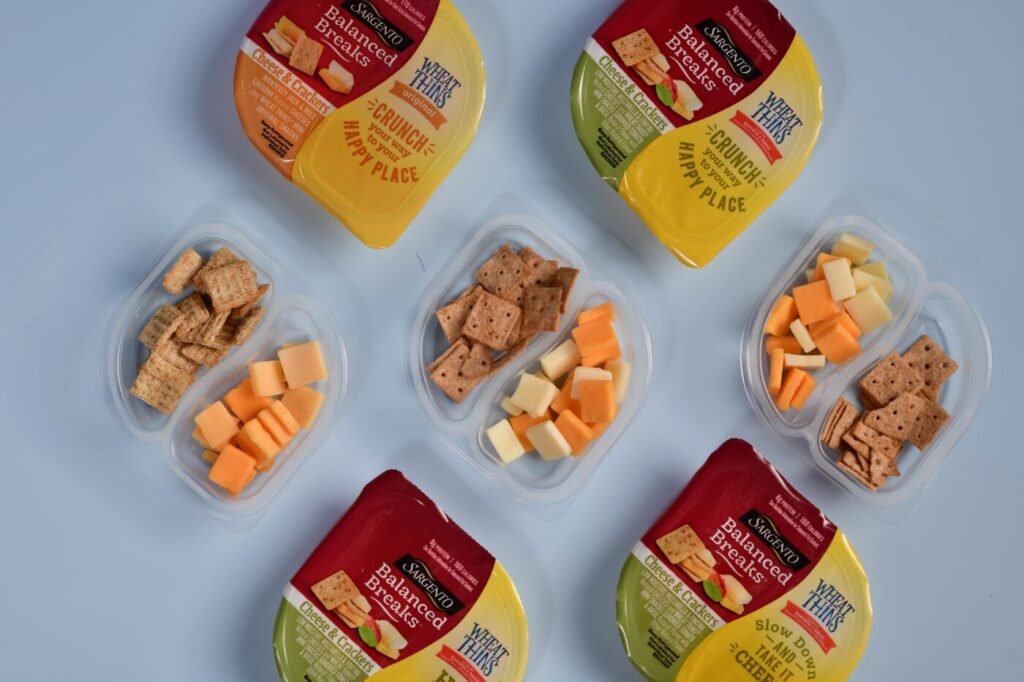
Anti-Block Masterbatch carrier resins are engineered to match the rheological and thermal processing requirements of the host polymer. LDPE, LLDPE, HDPE, and PP-based carriers are available to ensure compatibility across blown film, cast film, injection molding, and thermoforming processes. Processing temperatures for most polyolefin systems (180–240°C) are well within the thermal stability limits of the mineral fillers used, ensuring no degradation, discoloration, or volatilization of the antiblock component during processing. Surface-treated variants (e.g., silane-coated silica) offer improved dispersion in non-polar polyolefin matrices, reducing agglomeration and ensuring a uniform surface asperity distribution across the film web.

Conclusion
Anti-Block Masterbatch represents a precision-engineered solution to the fundamental surface interaction challenges inherent in plastic film production and handling. Through controlled surface micro-roughening, refractive index matching, and tribological modification, it enables manufacturers to meet stringent optical, mechanical, and processability specifications simultaneously. As film structures become increasingly complex — driven by sustainability mandates requiring downgauging and material reduction — the role of Anti-Block Masterbatch in maintaining performance at reduced film thicknesses will become even more technically critical. Continued development in particle engineering, surface chemistry, and carrier resin optimization will further expand its applicability across next-generation polymer systems.
About Bajaj Plast Pvt. Ltd.
Bajaj Plast Pvt. Ltd. is a leading manufacturer of high-quality masterbatch solutions, dedicated to innovation, sustainability, and excellence. With a strong focus on customer satisfaction and cutting-edge technology, we are committed to delivering superior products that meet the evolving needs of the polymer industry.

 BAJAJ PLAST PVT LTD