
UV Stabilizer
Masterbatch
Advanced Hindered Amine Light Stabilizer (HALS) technology engineered to inhibit photo-oxidative degradation in polyolefin substrates — extending polymer service life under continuous UV radiation exposure.



Why UV Protection is Critical for Polymers
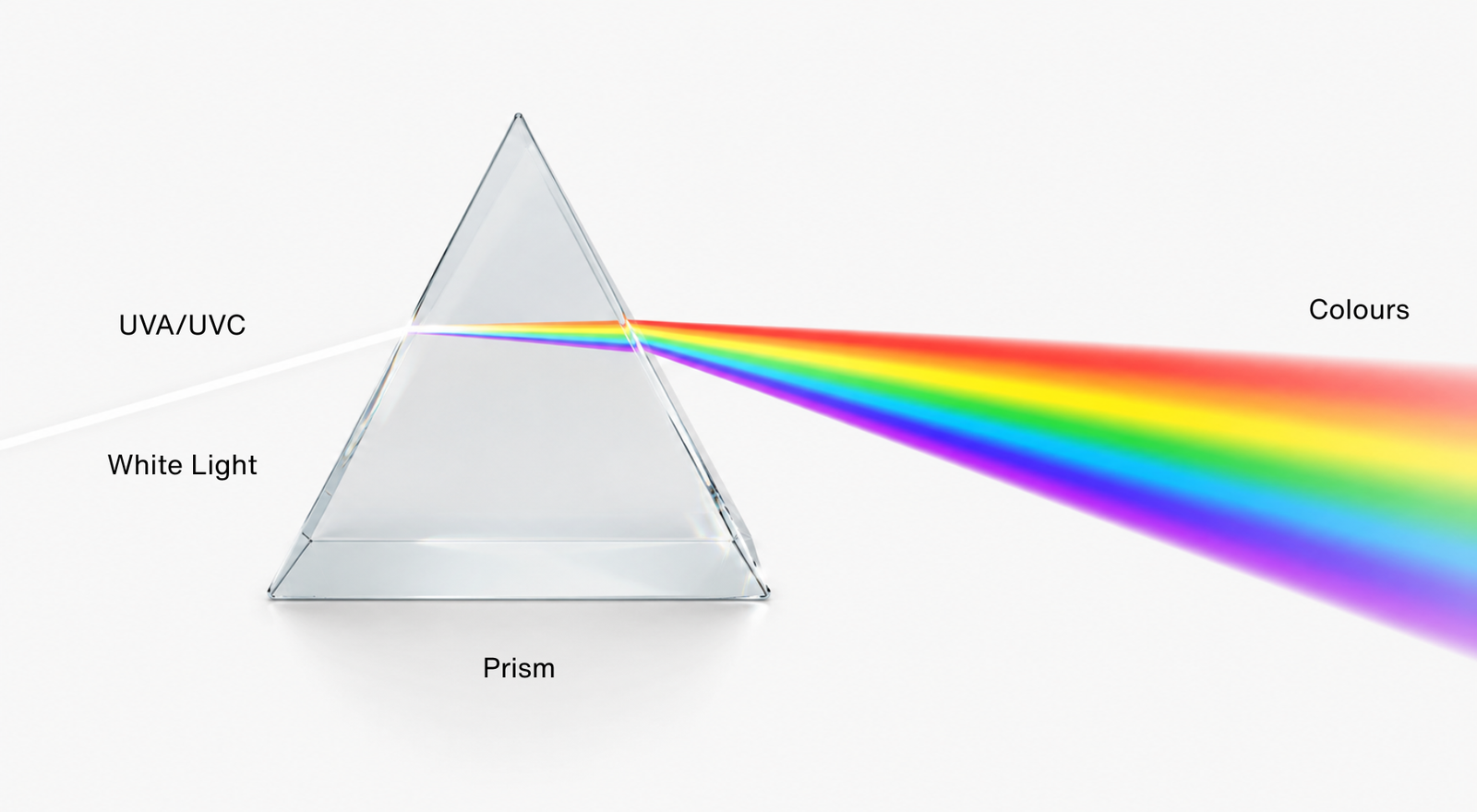
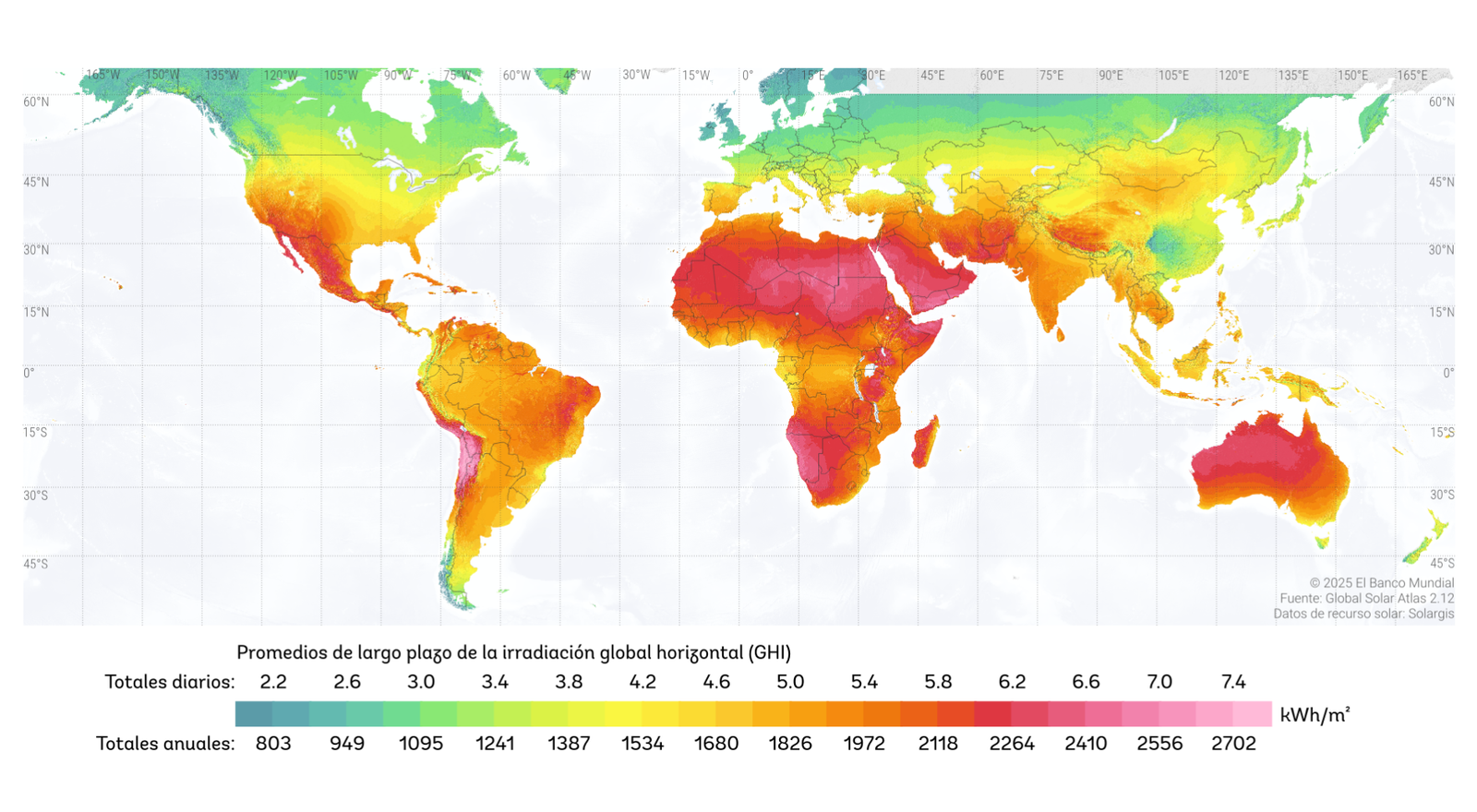
Ultraviolet radiation (290–400 nm) initiates a chain of photochemical reactions in polyolefin matrices. UV energy is absorbed by chromophoric impurities, generating excited singlet and triplet states that produce free radicals via Norrish Type I and Type II reactions — leading to chain scission, cross-linking and loss of mechanical integrity.
-
⚡Photo-oxidation Cascade Free radical chain reactions in the presence of O₂ form hydroperoxides (ROOH), causing backbone cleavage of the polymer chain, reducing molecular weight and tensile strength.
-
🎨Chromatic Deterioration Chromophore excitation causes irreversible color shift (yellowing, fading), affecting aesthetic value and product compliance.
-
🧊Embrittlement & Micro-cracking Cross-linking and oxidative degradation increases stiffness and surface chalking, reducing elongation-at-break and impact resistance.
-
⏱Reduced Service Life Unprotected polyolefins exposed to outdoor solar UV show measurable property loss within 3–6 months — reducing product lifecycle by 60–80%.
Role of UV Additives & How They Work
UV stabilizers intervene at multiple stages of the photo-oxidation cycle. They interrupt radical chain propagation (Denisov Cycle), quench excited states, and decompose hydroperoxides before they can initiate further degradation.
UV Photon Absorption by Polymer
Solar UV (280–400 nm) photons absorbed by carbonyl groups, aromatic rings and trace metal impurities in the polymer matrix, generating excited electronic states.
Free Radical Generation (Photo-initiation)
Excited states undergo homolytic bond cleavage (Norrish I) or hydrogen abstraction (Norrish II), producing carbon-centred (R·) and peroxy radicals (ROO·).
Hydroperoxide Formation (Propagation)
ROO· abstracts H from the polymer chain (RH), forming ROOH hydroperoxides. These decompose to yield additional radicals — accelerating oxidative degradation.
HALS Radical Scavenging (Stabilization)
Nitroxyl radicals (≡N-O·) generated from HALS react with carbon-centred radicals, forming stable alkoxyamine complexes — permanently breaking the propagation cycle.

UV Stabilizer Additive Systems
UV stabilizers are classified by their primary mode of action within the photo-oxidation cycle. Effective formulations often combine multiple mechanisms for synergistic protection across the full spectrum of degradation pathways.
UV Absorbers (UVA)
Compete directly with polymer chromophores for UV photon absorption. Transform high-energy UV radiation (290–380 nm) into harmless infrared heat via reversible tautomerization — primarily o-hydroxybenzophenones and benzotriazoles.
Optimal for short-term, indoor-outdoor cycling applications. Low cost with proven performance in clear and translucent systems.
Energy ConversionEnergy Quenchers
De-excite electronically excited chromophores via Förster resonance energy transfer (FRET), returning them to ground state before bond cleavage occurs. Nickel-based quenchers decompose hydroperoxides through ionic coordination mechanisms.
Widely used in agricultural films, HDPE monofilament yarns, and shade nets requiring sustained outdoor performance.
Excited State QuenchingHALS — Hindered Amine Light Stabilizers
The most potent class of UV stabilizers. HALS are catalytically regenerated via the Denisov Cycle — nitroxyl radicals (≡N-O·) scavenge carbon-centred radicals (R·), forming alkoxyamines that regenerate the active nitroxyl form under further oxidative conditions.
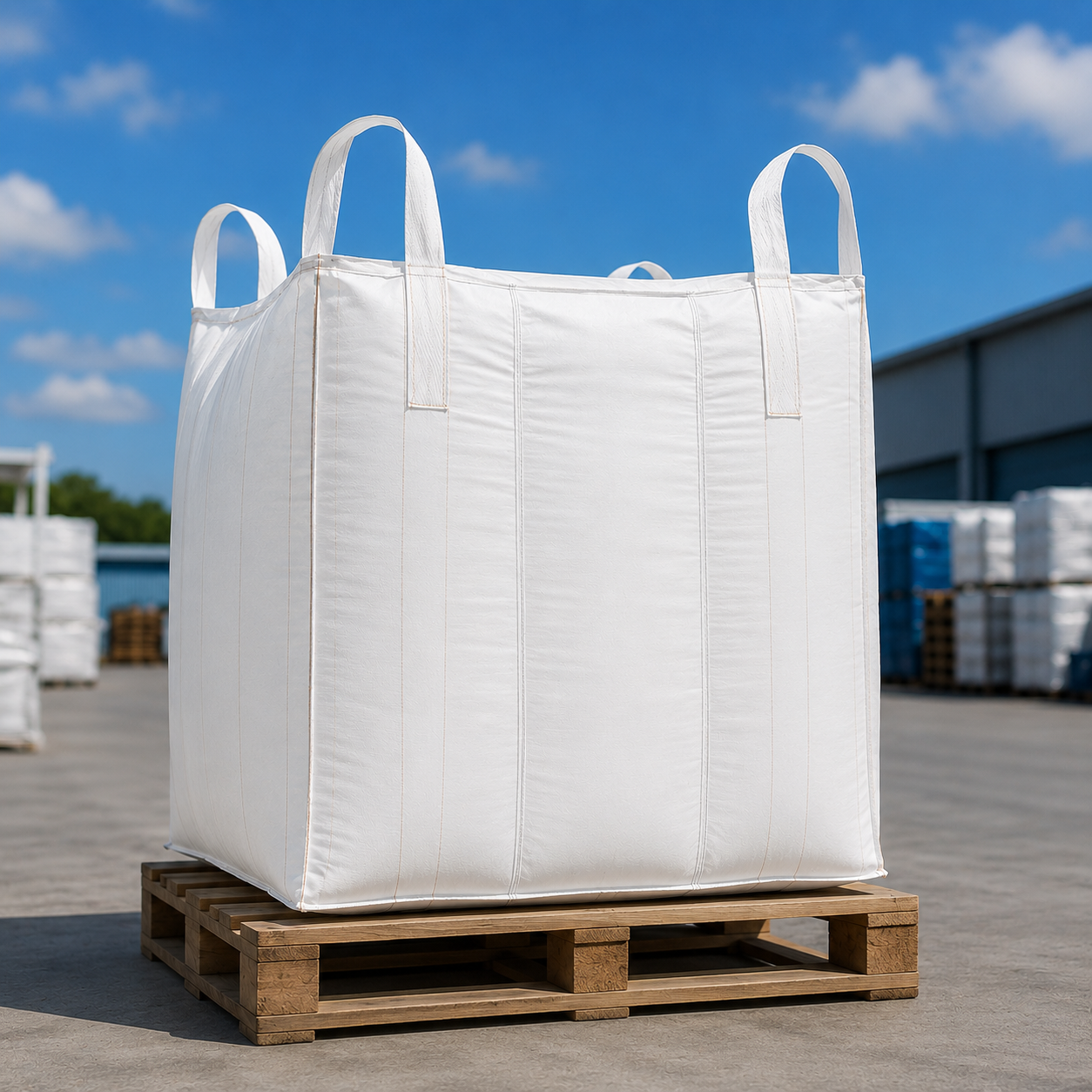
Delivers superior long-term thermal and photochemical stability. Ideal for FIBC, geomembranes, tarpaulins and mulching films demanding 5–10 year lifespans.
Radical Catalytic ScavengingSignificance of UV Additives
Exceptional Thermal Processing Compatibility
Melting range of 160–170°C is ideally suited for Polyolefin extrusion processes. Maintains chemical integrity under shear and thermal conditions of twin-screw compounding without generating decomposition by-products.
Reduced Welding Temperatures in PE Films
Stabilized m-LLDPE films permit lower heat-seal temperatures vs. oligomeric HALS alternatives — increasing throughput efficiency on automated packaging lines while minimizing thermal degradation at weld interfaces.
Neutral Effect on TiO₂ White Systems
Zero adverse interaction with titanium dioxide pigments in m-LLDPE films. Critical for agricultural geotextiles and packaging materials requiring consistent optical brightness and UV-opacity.
Pesticide-Resistant Grades for Agriculture
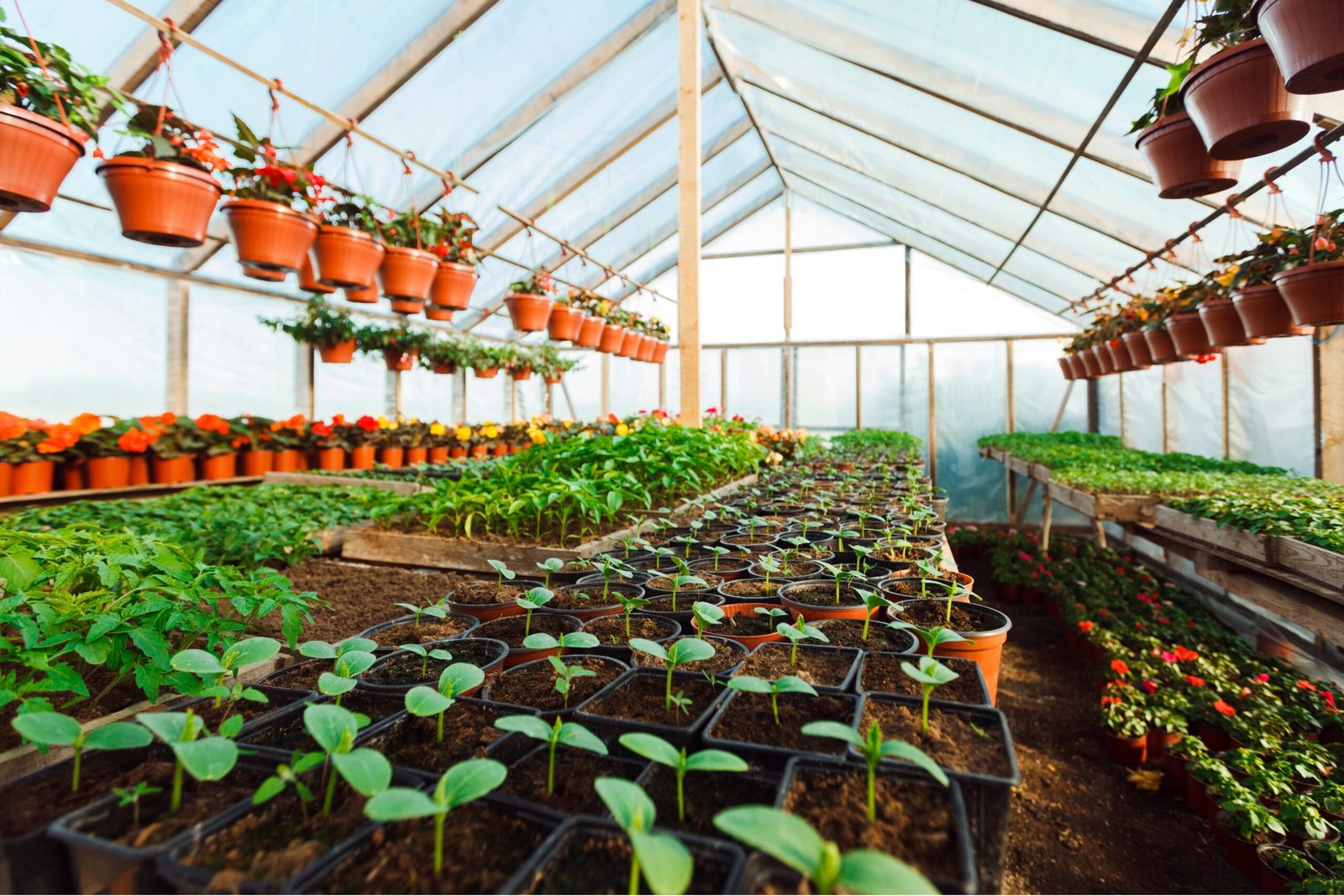
Minimal alkali and acid interaction — enabling deployment in soil mulching, agrinet, and greenhouse films where agrochemical contact is unavoidable. Specific pesticide-resistant grades are available.
Ultra-Low Water Carry-over for FIBC/Woven
Outstanding hydrophobic characteristics in FIBC and woven sack tape applications. Minimal surface modification preserves tensile strength and load-bearing capacity of structural bulk bags.
Key Technical Features
Bajaj PLAST UV Masterbatch is engineered for consistent, verifiable performance across demanding outdoor polymer applications — combining cutting-edge stabilizer chemistry with optimized dispersion technology.

Superior Dispersion
Nano-scale UV absorber distribution ensures homogeneous protection throughout the polymer matrix without agglomeration.
Avoids Discoloration
Prevents yellowing index (YI) shift caused by chromophore oxidation — maintaining Delta E <2 across extended weathering cycles.
Improves Processability
Thermally stable at processing temperatures up to 200°C with no melt viscosity disruption in blown film, cast film, or extrusion operations.
Photo-degradation Shield
Full-spectrum photo-stabilization eliminates chain scission from UV-B exposure — retaining ≥85% tensile strength after 1000 hrs Xenon arc weathering (ASTM G155).
Catalytic Regeneration
HALS undergoes Denisov Cycle regeneration — functioning catalytically rather than stoichiometrically for extended performance with minimal additive loading.
Pesticide Resistance
Special-grade formulations offer enhanced resistance to acidic agrochemicals (pH 3–6) in mulching film and agro-net applications.
Key Benefits
Extended Structural Integrity
Retains tensile modulus and elongation-at-break (≥80% initial value) after prolonged outdoor UV exposure — critical for load-bearing FIBC, geomembranes, and shade nets.
Colour Fastness & Optical Stability
Prevents chromophore excitation-linked discoloration. Delta b* shift maintained below 3 units after 2000-hour Xenon arc exposure testing per ASTM D6695.
Surface Integrity Preservation
Inhibits chalking, micro-cracking and surface erosion on HDPE pipes, blow-moulded tanks and agricultural films — reducing replacement frequency and maintenance costs.
Enhanced Processing Window
Optimized carrier resin compatibility minimises die-pressure variability. MFI deviation <5% across standard processing temperatures of 160–200°C.
Total Cost of Ownership Reduction
Low dosage rates (1–5%) with high active ingredient concentration deliver cost-effective protection — reducing polymer replacement and warranty claim costs by up to 65%.
HDPE Packaging UV Barrier
Long-wave UV absorption (up to 400 nm) in HDPE bottles protects photosensitive contents including vitamins, pharmaceuticals and colorants — extending packaged goods shelf life.
Manufacturing Process
Bajaj UV Masterbatch is manufactured using state-of-the-art twin-screw extrusion technology, ensuring precise additive dispersion, consistent melt rheology, and batch-to-batch reproducibility under ISO 9001:2015 quality protocols.
Raw Material QC
HALS / UV absorber purity verification
Precision Dosing
Gravimetric dispensing of active ingredients
Twin-Screw Extrusion
Co-rotating compounder at 160–200°C
Pelletizing
Water-bath quenching + precision cutting
QA Testing
Xenon arc weathering + MFI verification
🔬 Quality Parameters Tested
- Melt Flow Index (MFI) — ISO 1133
- UV absorber active content (UV-Vis spectroscopy)
- Xenon arc accelerated weathering — ASTM G155 / ISO 4892-2
- Thermal stability — TGA analysis at 200°C
- Colour measurement — CIE Lab* (Delta E, YI)
- Migration resistance — ASTM D1239
- Dispersion quality — optical microscopy (100x)
⚙️ Technical Processing Parameters
- Processing temperature: 160–200°C
- Recommended let-down ratio: 1–5%
- Carrier resin: PE / PP compatible
- Pellet form: cylindrical, 3–4mm diameter
- Moisture content: <0.1% (dried pre-process)
- Bulk density: 650–750 kg/m³
- Shelf life: 24 months in sealed HDPE bags
Importance of UV Masterbatch
Polymer Backbone Preservation
UV-induced Norrish reactions cause irreversible C–C and C–O backbone scission in polyolefins. UV masterbatch quenches excited carbonyl intermediates before bond cleavage, preserving the primary polymer chain structure and molecular weight distribution.
Agricultural Film Longevity
Mulching films and agronets without UV stabilization fail within one growing season. HALS-stabilized grades extend film functional life to 3–5 seasons, reducing agricultural plastic waste and improving farmer economics by 40–60%.
Infrastructure & Construction Durability
HDPE geomembranes, pipes, and profiles in civil infrastructure require UV stability over 25–50 year design lifespans. UV masterbatch incorporated at 2–4% loading provides certified long-term weathering performance per GRI-GM13 standards.
Regulatory & Food Contact Compliance
HDPE bottle UV protection for vitamins, colorants and beverages requires compliance with EU 10/2011 and FDA 21 CFR food-contact migration limits. Bajaj UV additives are formulated for ultra-low extractable content.
Why Bajaj UV Masterbatch
State-of-the-Art Manufacturing Infrastructure
Twin-screw compounders with real-time process monitoring. In-house R&D laboratory for formulation development and accelerated weathering testing.
ISO 9001:2015 Certified — TUV Nord
Stringent quality management systems with documented batch traceability, in-process controls, and certificate of analysis for every production lot.
Wide Grade Portfolio & Custom Formulation
From standard HALS blends to pesticide-resistant agricultural grades and HDPE-specific UV absorbers — tailored solutions for every substrate and application requirement.
Pan-India & Export Network
Manufacturing in Nagpur & Gwalior with regional offices in Mumbai, Chennai and North India. Active export to 15+ countries with documentation support.
Technical Support & Application Engineering
Dedicated product specialists for dosage optimization, compatibility assessment, and processing parameter guidance — from trial to scale-up.

UV Masterbatch Applications
Bajaj PLAST UV is compatible with a broad spectrum of polymer processing technologies and end-use applications across diverse industries — providing versatile, cost-effective UV protection solutions.

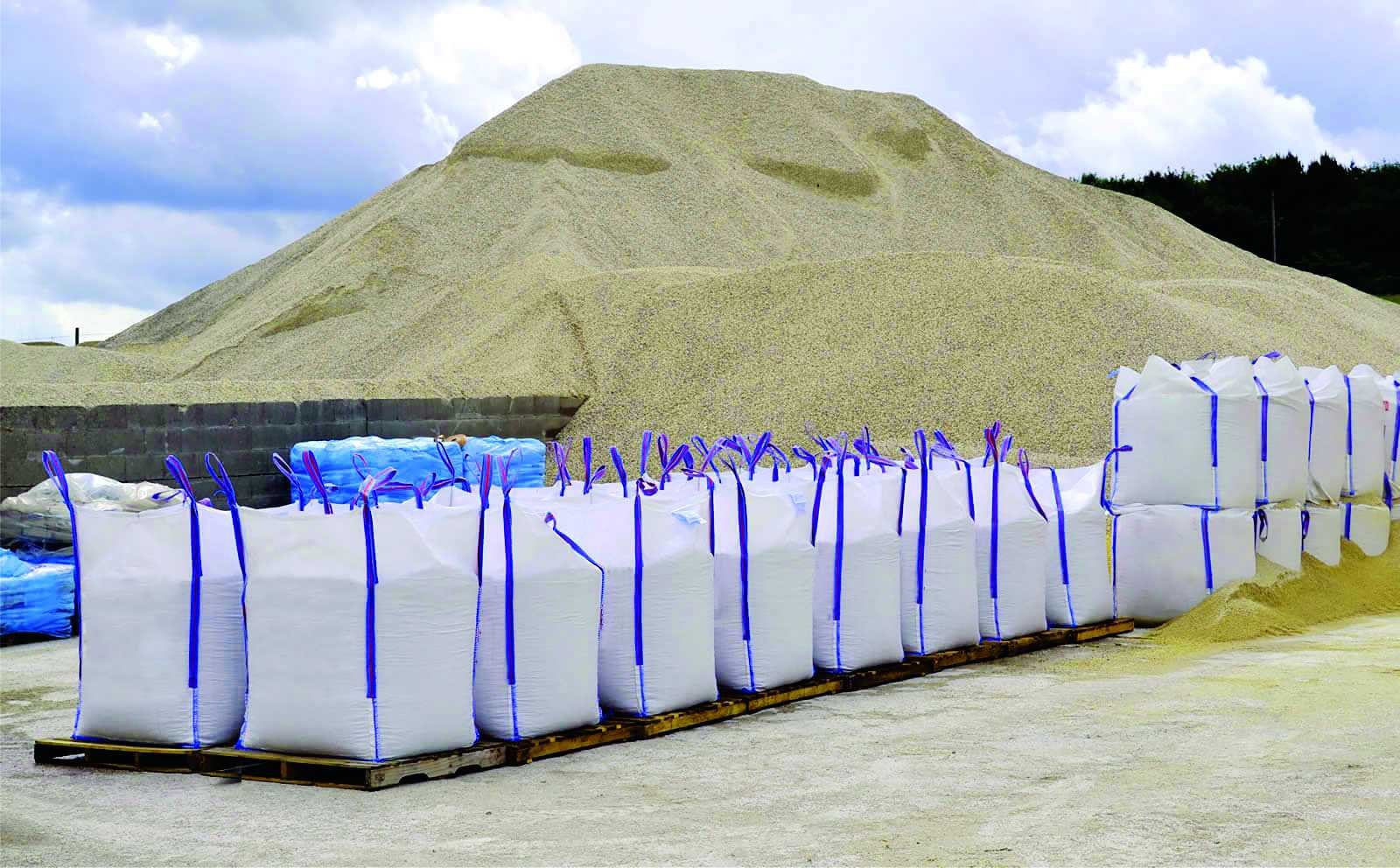
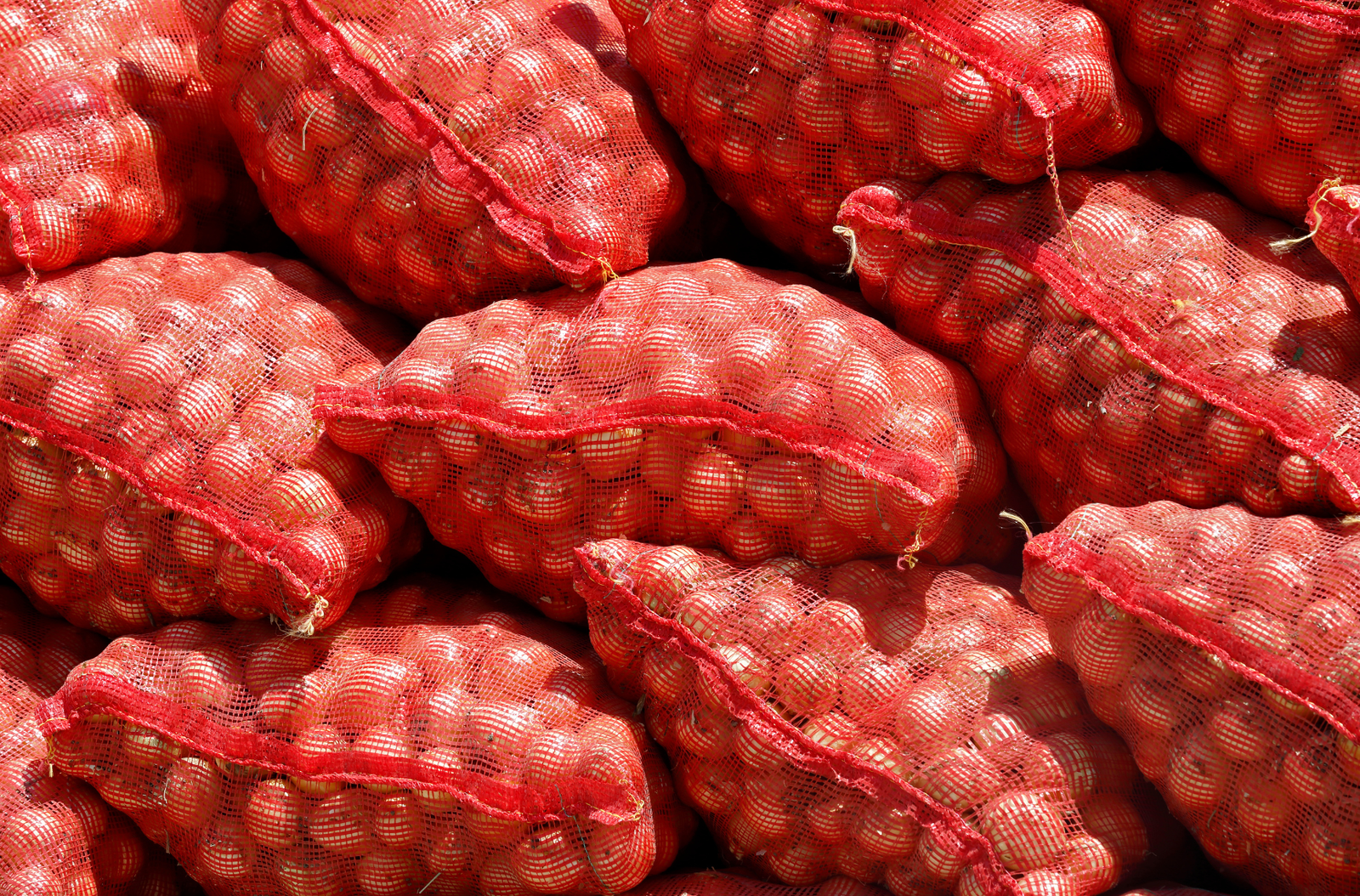
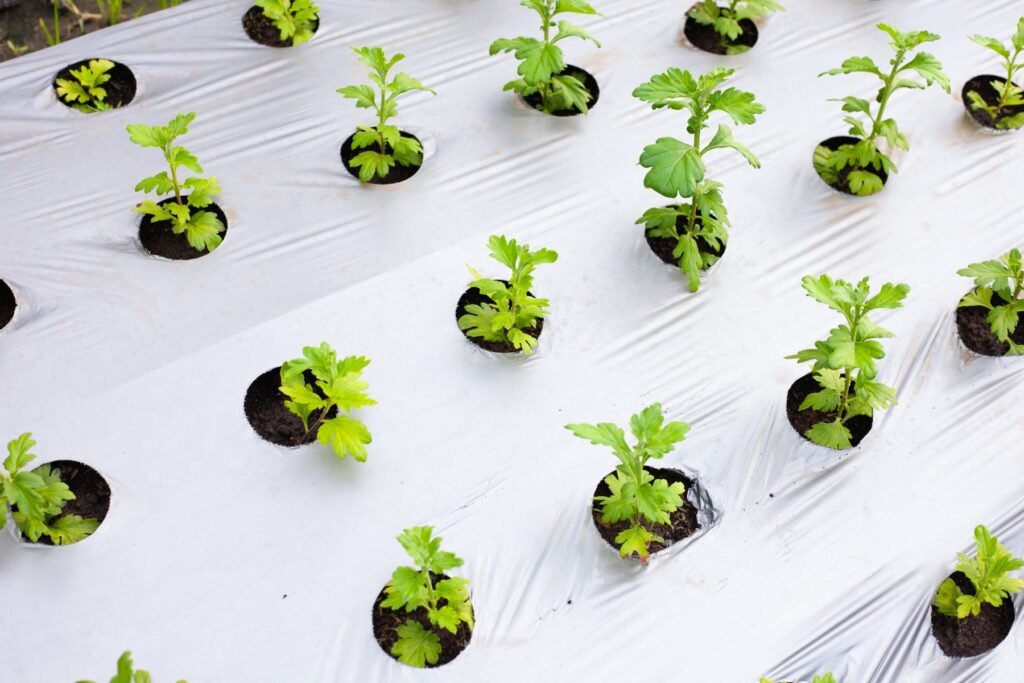

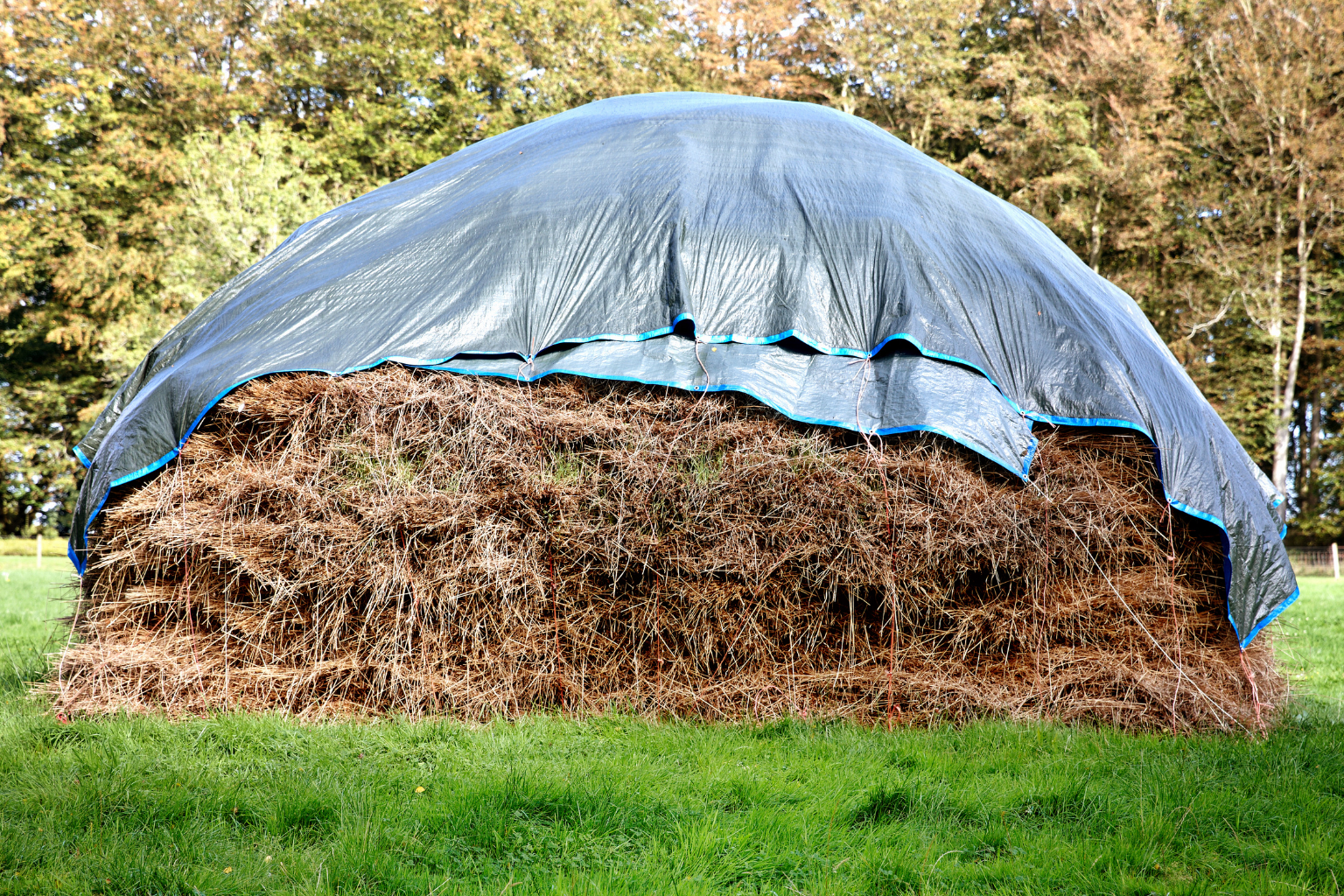
PLAST UV Grade Selection Guide
| Grade | Base Resin | Primary Application | UV Mechanism | Key Feature |
|---|---|---|---|---|
| PLAST UV-10 | PE | Agricultural Films, Mulching | HALS | Pesticide-resistant, acid-stable |
| PLAST UV-20 | PE | FIBC / Woven Sack Tapes | HALS + UVA | Ultra-low water carry-over |
| PLAST UV-30 | PP | Agronet, Shade Nets, Raffia | HALS | High HALS loading, long-term |
| PLAST UV-40 | PE/PP | Blow Moulded Tanks, Pipes | UVA + HALS | Thick-wall processing, surface clarity |
| PLAST UV-50 | LLDPE | m-LLDPE Films, Packaging | Oligomeric HALS | Low welding temp, TiO₂ compatible |
 BAJAJ PLAST PVT LTD